The Three Crowns Week
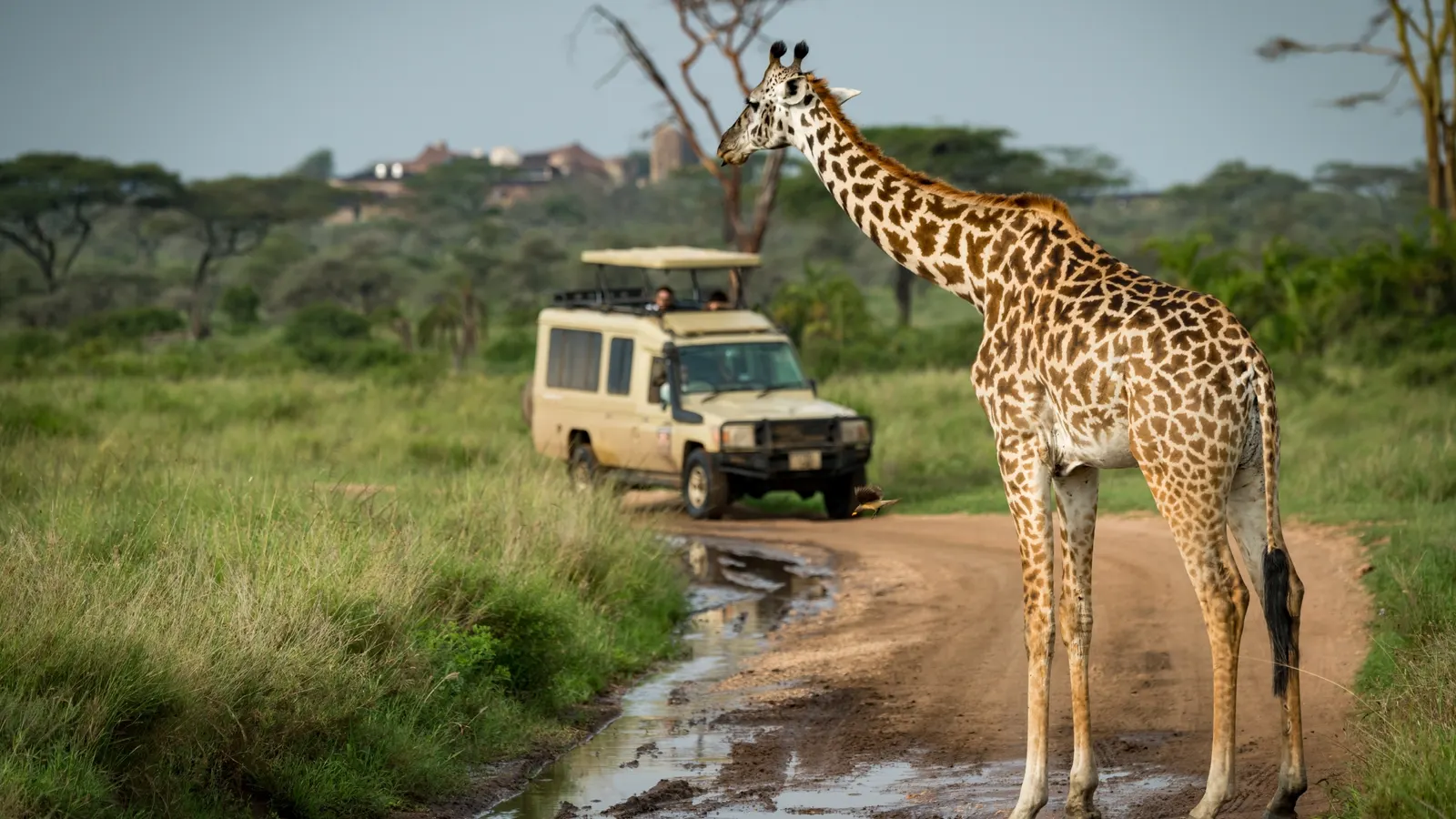
Seven slow days traversing Tarangire baobabs, the volcanic Ngorongoro floor, and the endless central Serengeti plains.
"The endless rolling plains where the Great Migration pulses year-round."

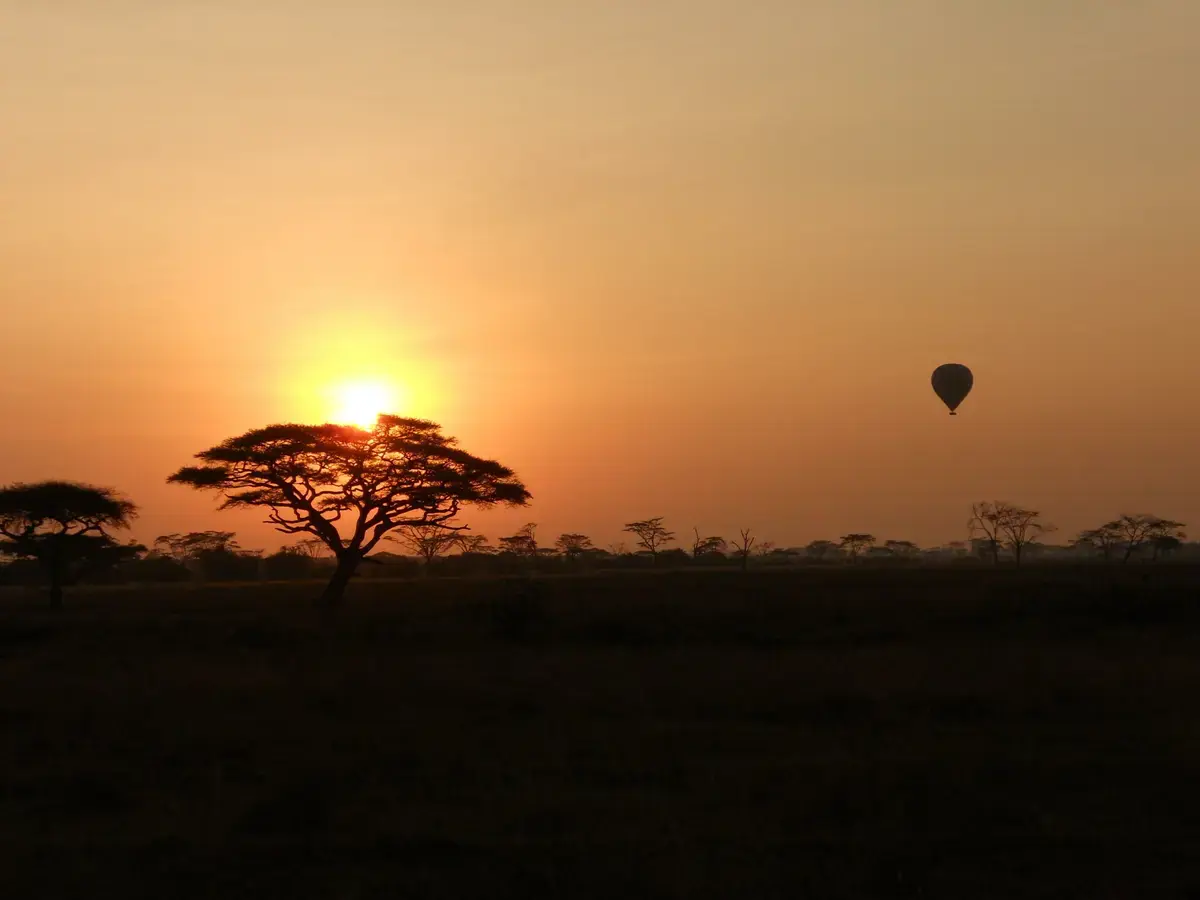
The name originates from the Maasai word Siringet, meaning "the place where the land moves on forever." Covering fourteen thousand square kilometres of unhedged wilderness, the Serengeti is the grand stage of East African wildlife.
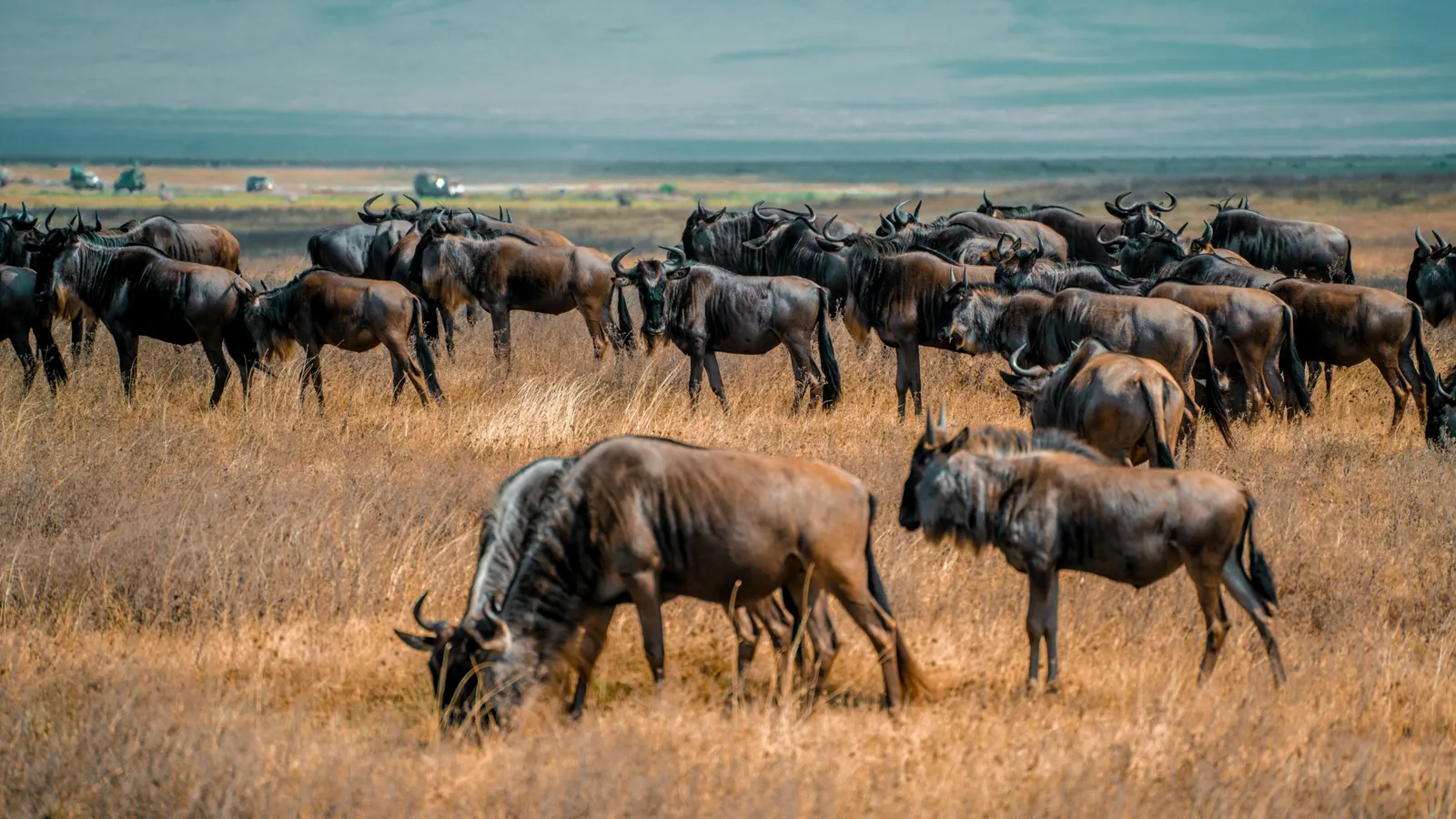
Unlike fenced reserves elsewhere on the continent, wildlife here follows the rains on their own timetable. In the southern plains around Ndutu, short sweet grass sustains two million mothers and newborn calves between January and March. As the dry season takes hold by June, the vast herds move northwest toward the Grumeti and Mara rivers, facing perilous crocodile-infested waters.
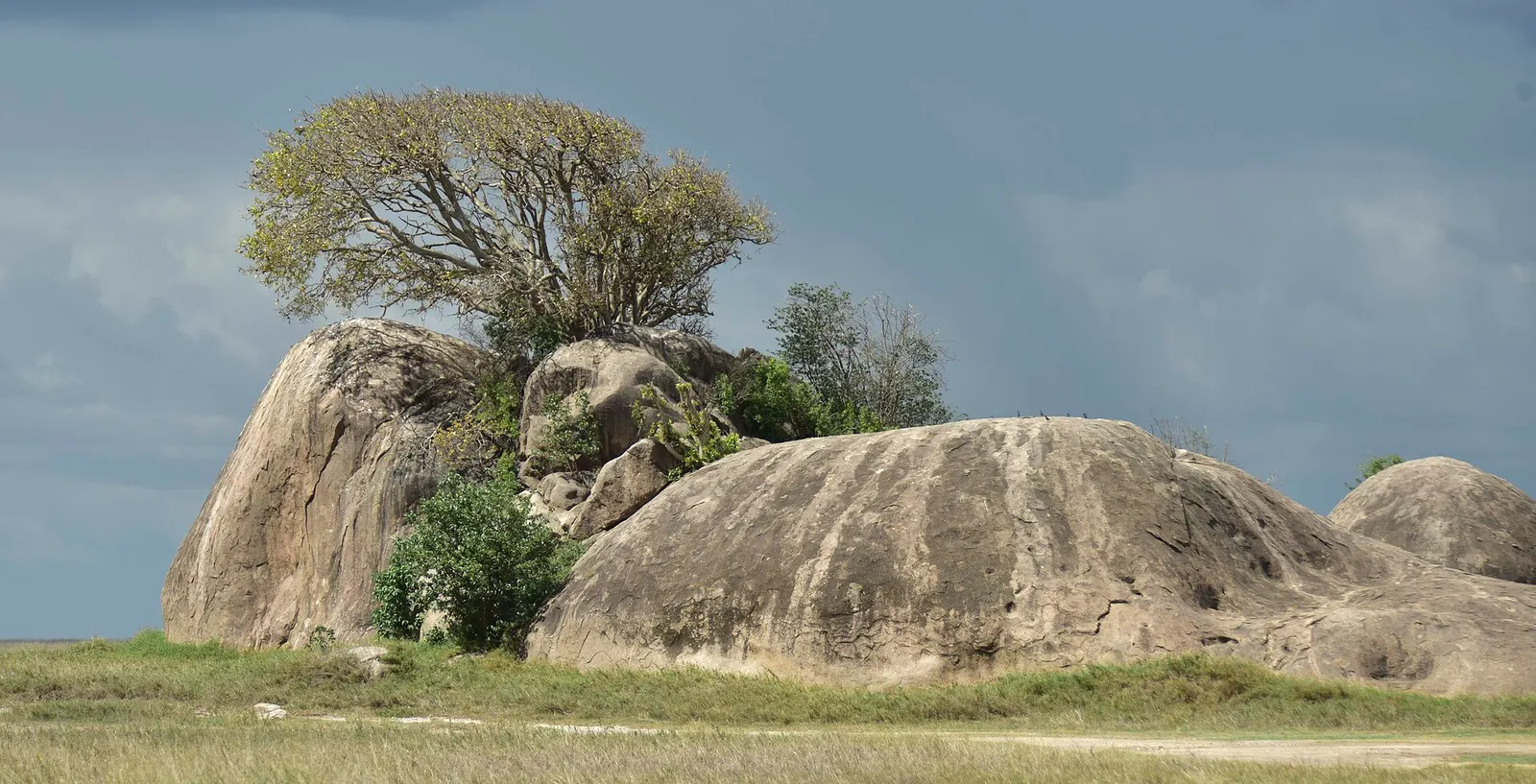
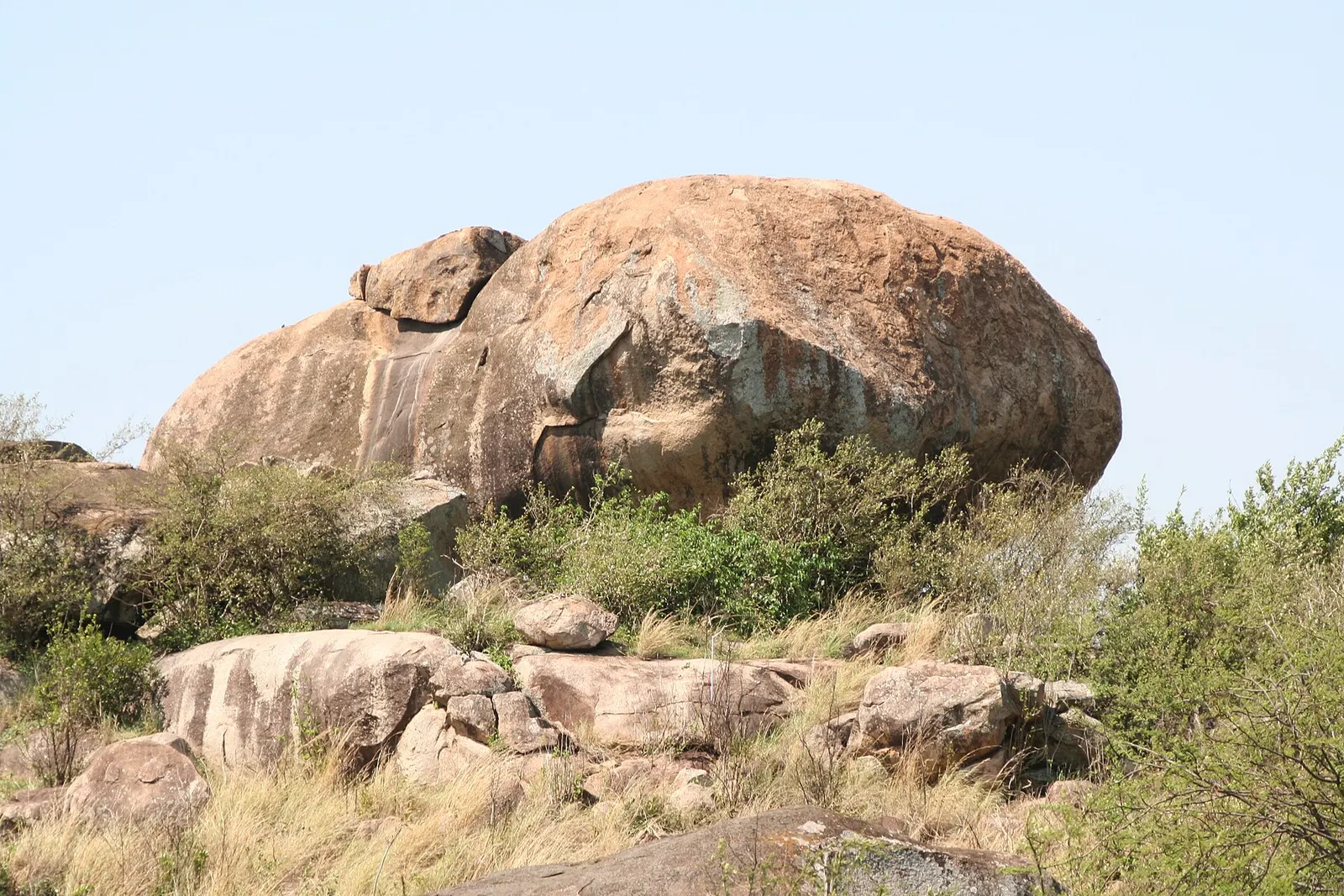
Our expeditions focus on the quiet corners: the remote kopjes of the east, the quiet river corridors of the central valley, and the wild bluffs of the northern border.

Seven slow days traversing Tarangire baobabs, the volcanic Ngorongoro floor, and the endless central Serengeti plains.

Ten unhurried days exploring every wild corner of the Northern Circuit, from Tarangire to the far northern Mara riverbanks.

Nine days: five days tracking big cats across the savanna, followed by four restorative nights in northern Zanzibar.

Maximize your wilderness hours. Fly straight from Arusha into the heart of the central plains, eliminating highway transit.

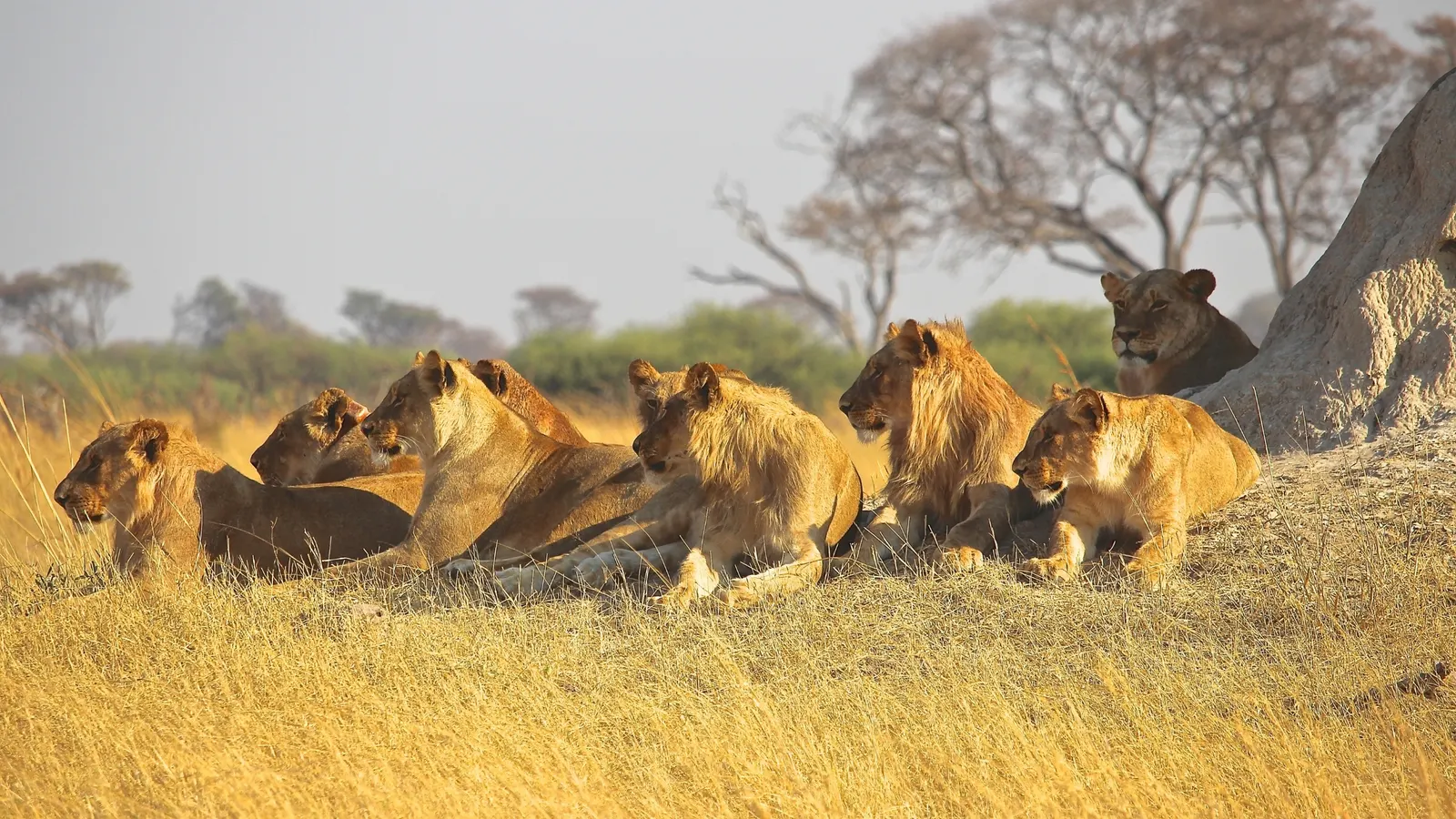
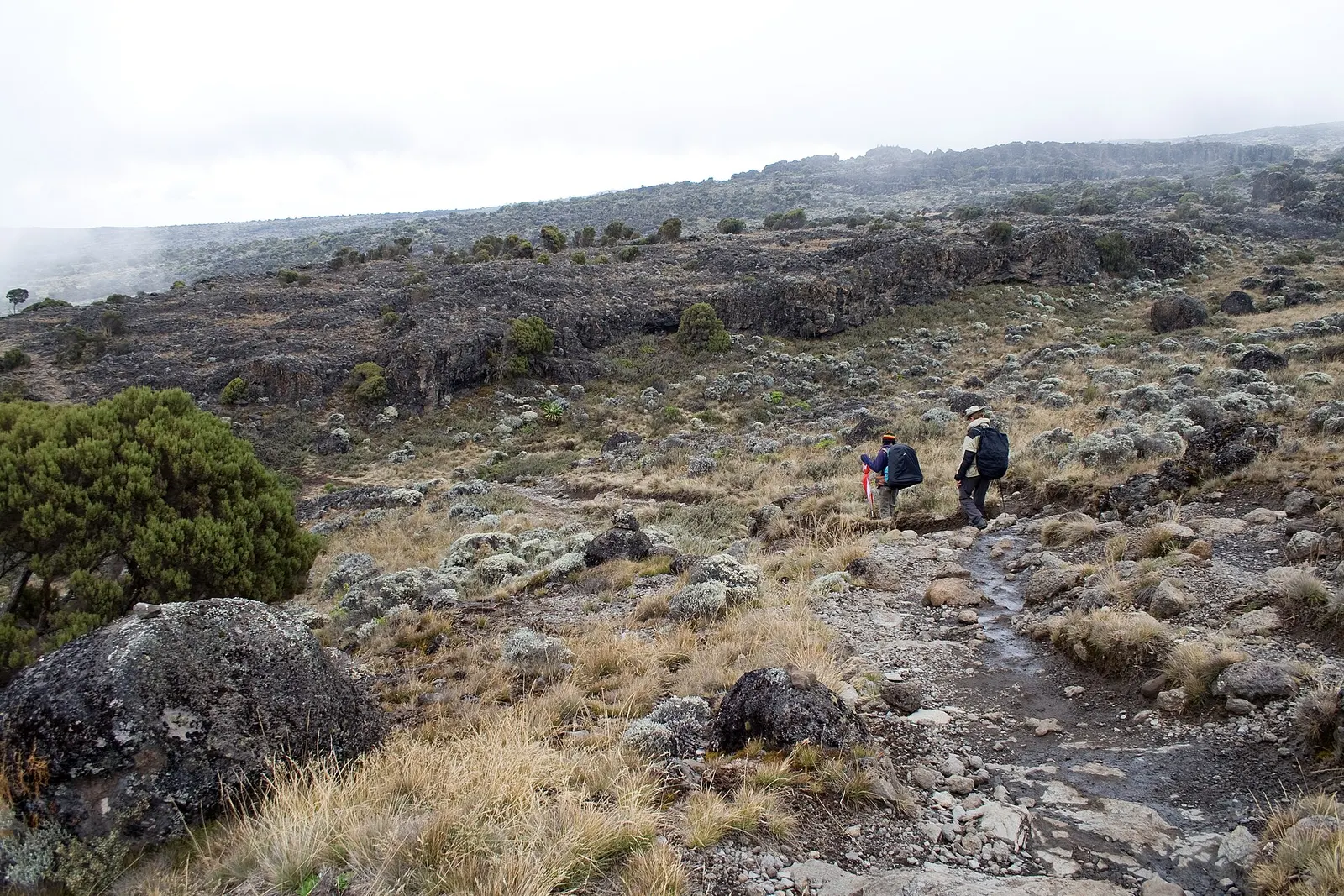
Twelve days: the pristine western flank of Kilimanjaro over eight days, followed by four days tracking lions in the Serengeti.

Six exhilarating days on the southern Serengeti short-grass plains, where 8,000 wildebeest calves are born every single day.

Perched on an elevated kopje above the river bend at Kogatende in northern Serengeti, this intimate luxury canvas camp places you directly in the theatre of the Great Migration crossings. Built with canvas and recycled hardwood timbers, each spacious suite opens to panoramic savannah views where hippos grunt in the river below. Solar power and warm bucket showers delivered morning and evening maintain gentle touch with wilderness. Evenings gather travellers around a central campfire with fine wine, local storytelling, and stargazing under pristine equatorial skies.

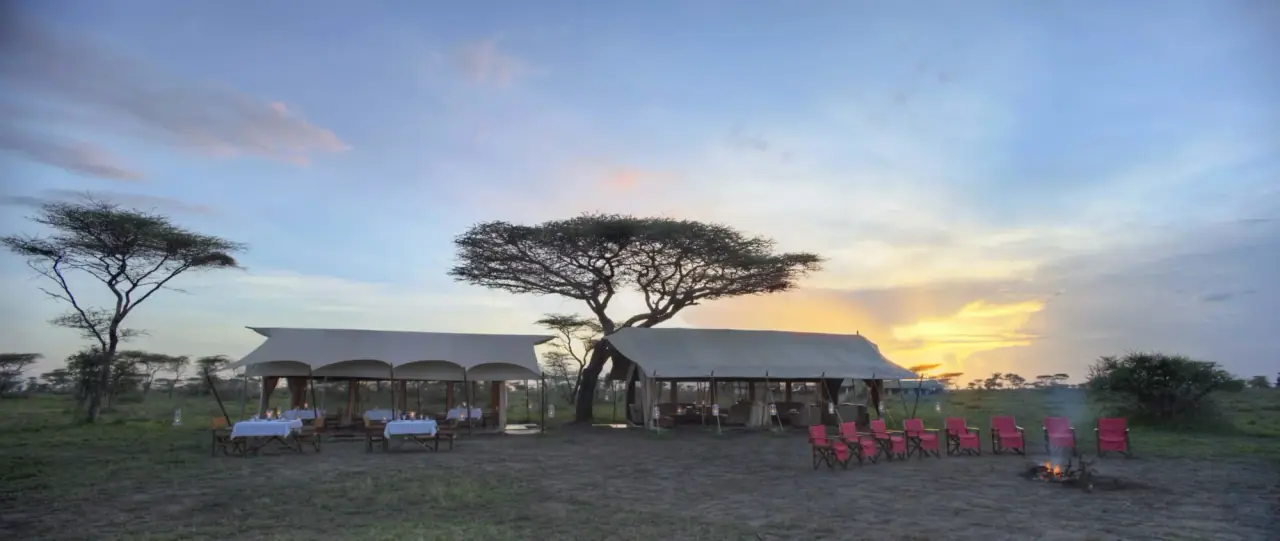
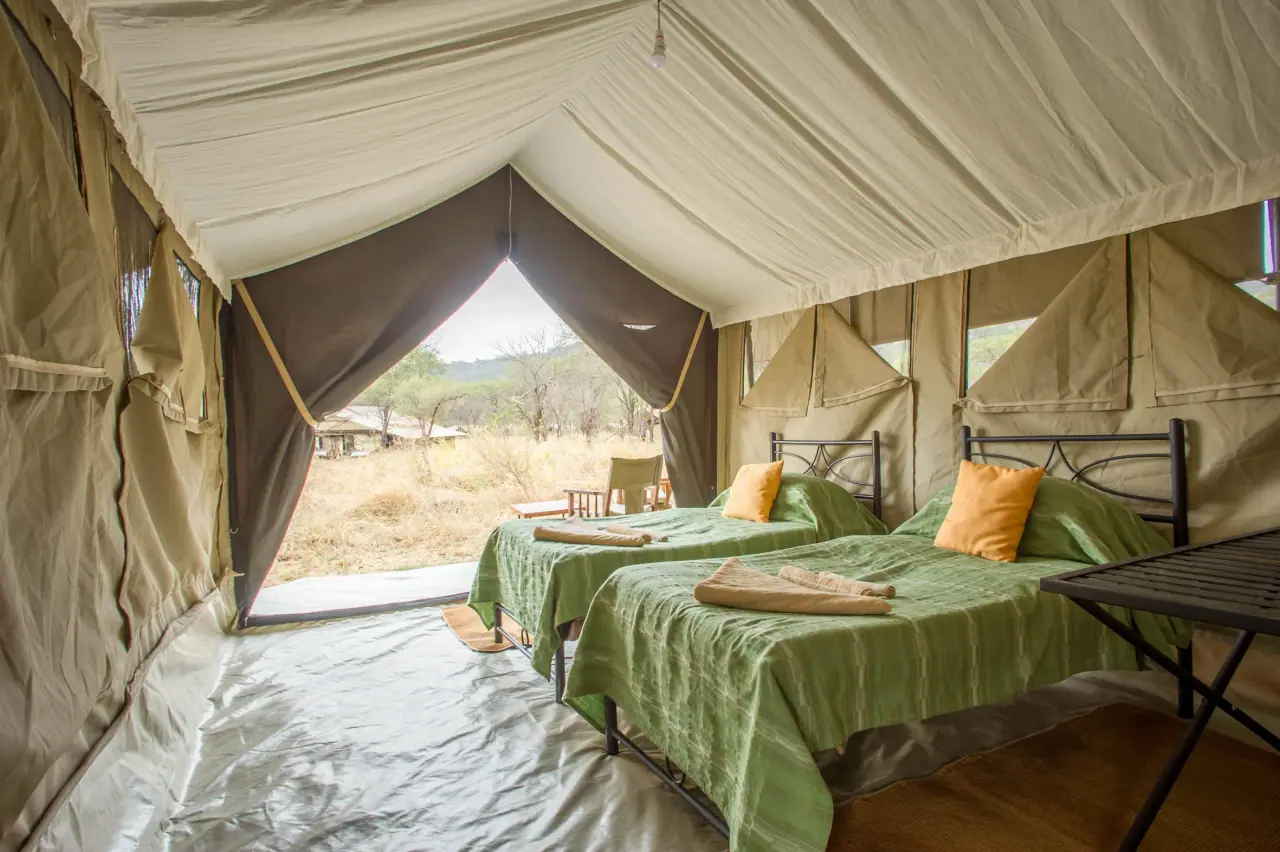
Set beneath yellow-bark acacias in the wildlife-dense Seronera Valley, Central Plains Bush Camp embodies the classic East African field expedition. Ten heavy-canvas safari tents are pitched along the seasonal riverline, allowing elephants and impalas to graze freely through camp grounds. Handcrafted safari director chairs, woven rugs, and brass hurricane lanterns create an atmosphere of quiet adventure without unnecessary glitz. Our chef bakes fresh bread daily over iron coals, and morning coffee is brought directly to your tent door before first light.

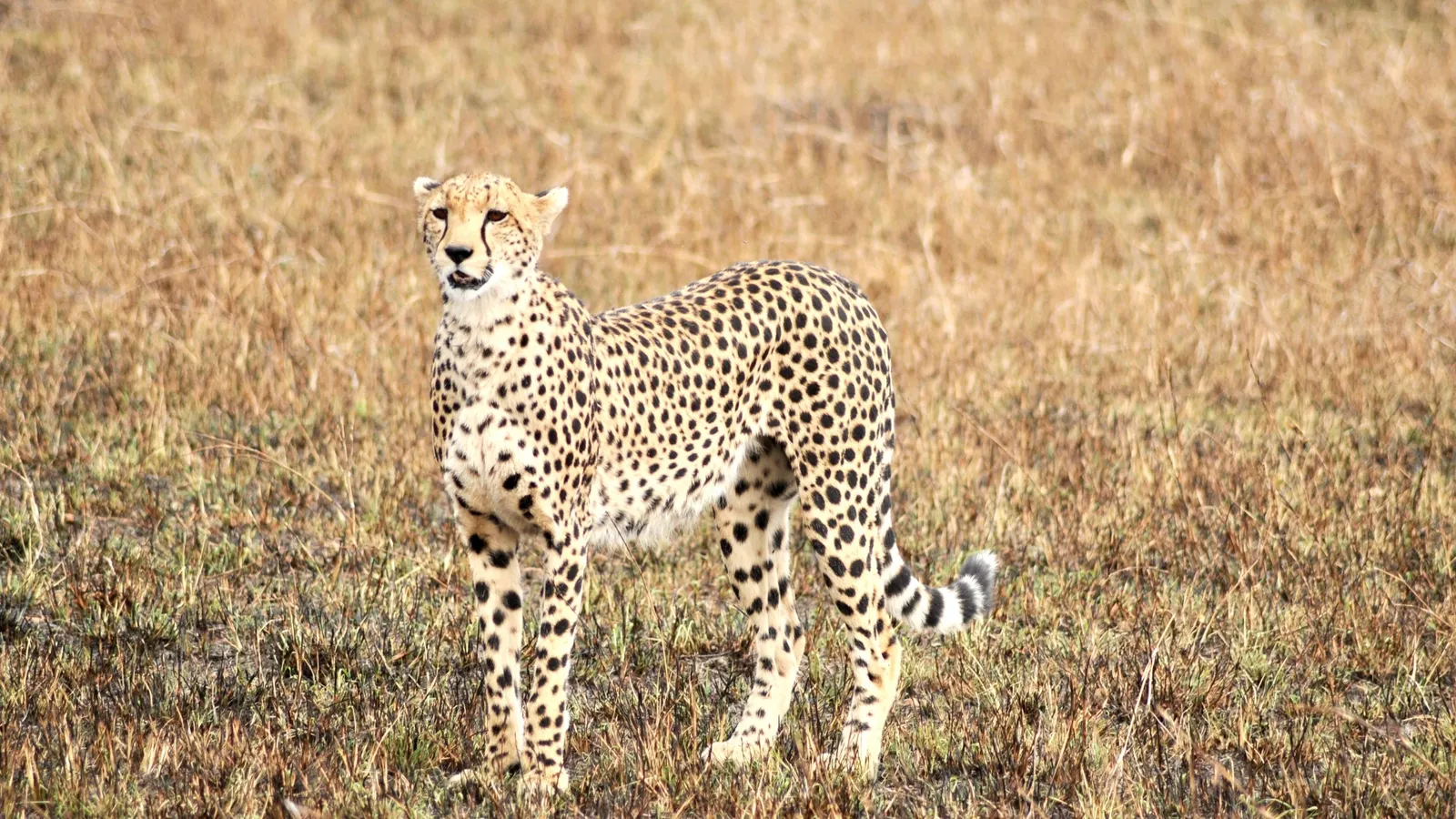
Positioned right on the southern Serengeti plains adjacent to Lake Ndutu, this seasonal camp opens only during the dramatic calving months from December to April. Two million grazers gather here on the mineral-rich volcanic short grass, with thousands of calves born each morning. Guests step from their canvas doorways directly onto the open plain, where cheetahs scout from low mounds and lions shelter in the fever-tree forest. The atmosphere is quiet, focused on nature, and deeply reverent to the rhythm of wildlife.

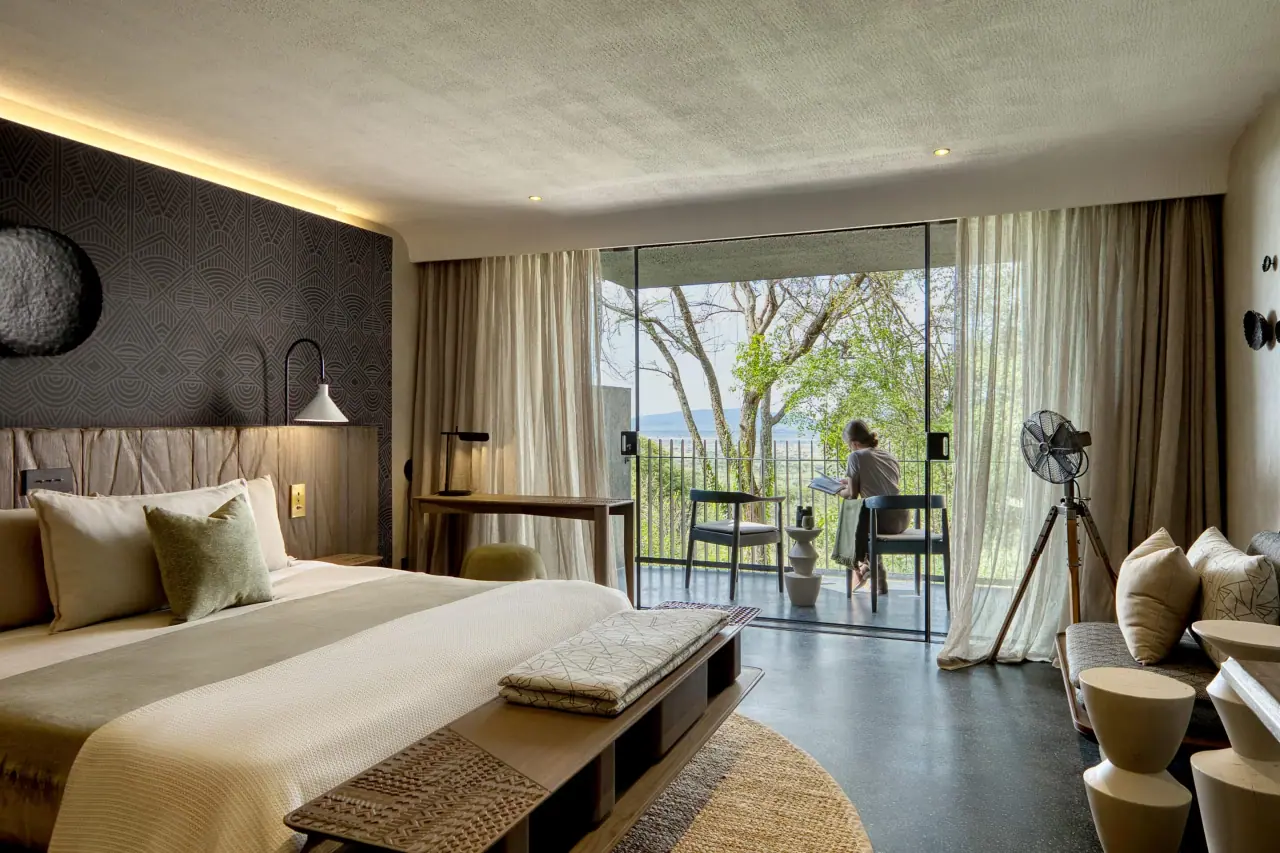
Blended seamlessly into a low granite outcrop in central Serengeti, Seronera Valley Lodge offers solid-walled comfort paired with sweeping views across the river meadows. Built with local fieldstone and thatched roofs, the rooms remain naturally cool during midday heat. Guests enjoy a swimming pool carved into the rock face where rock hyraxes sunbathe and swallows dip into the water. Its central location allows swift access to northern, western, and southern migration corridors with minimal transit time.
The wildebeest herds circle the Serengeti all year, following the rains. Pick a month to see where they usually are. Treat it as a guide, not a promise: the timing shifts from year to year.
The current month is highlighted automatically.
Pick a month to see where the herds usually are.
Not a promise: the herds follow the rains, and the dates move with them.