
Tanzania Travel Information
The people, the language, the food and the everyday know-how that make a trip easier and more respectful: a guide to Tanzania on the ground.
Five things that make a trip smoother
Paperwork and bookings are covered in Travel Essentials. This guide is about the country itself: how people live, what to say, what to eat, how to get around and how to travel well. Use the index above, or read straight through.
Tanzania at a glance: key facts for first-time visitors
Tanzania sits on the coast of East Africa, between the Indian Ocean and the great lakes of Victoria, Tanganyika and Malawi. It is home to the Serengeti, Ngorongoro Crater, Mount Kilimanjaro and the spice island of Zanzibar, and to a rich mix of peoples, languages and traditions. The facts below cover the capital and largest city, the currency, electricity, religion, languages and holidays, before the longer sections on culture, customs and daily life.
Figures such as population and exact dates are commonly quoted rather than exact, and rules can change, so treat this as a friendly orientation. For paperwork, health and money, see our Travel Essentials pages; for how to behave and what to expect on the ground, read on, and take your lead from your guide wherever you are unsure. These Tanzania travel tips are a short orientation, not a rulebook.
- Capital and largest city
- Dodoma is the official capital; Dar es Salaam is the largest city and main commercial centre
- Population
- Commonly given as over 60 million, with more than 120 ethnic groups usually cited
- Languages
- Swahili and English are the working languages in practice; many people also speak a local community language
- Currency
- Tanzanian shilling (TZS); US dollars are widely quoted for tourism services
- Time zone
- East Africa Time, UTC+3, with no daylight saving all year
- Electricity
- Commonly 230 V, with plug types D and G; bring a universal adaptor to be safe
- Religion
- Christians and Muslims are the two largest groups; Zanzibar is predominantly Muslim
- Climate zones
- Hot and humid on the coast, cooler in the highlands, dry savanna in the northern parks
- Public holidays
- Include 1 January, 26 April, 1 May, 7 July, 8 August and 9 December, plus Christian and Muslim festivals whose dates vary
- Government and Zanzibar
- Tanganyika and Zanzibar united in 1964; Zanzibar has its own semi-autonomous government. The mainland became independent in 1961
The quick answers
Is Tanzania safe and welcoming for visitors?
Tanzania is generally known for its hospitality, and most visitors find people friendly and patient. Normal travel sense applies: keep valuables out of sight in towns, and follow your guide's advice. Respectful behaviour and a few Swahili greetings go a long way.
Read moreDo I need to speak Swahili?
No, English is widely understood in tourism, but a few words of Swahili such as jambo, asante and karibu are always appreciated. Greeting people properly before asking a question is an important courtesy. Our language section has a short list of Swahili phrases and Swahili words.
Read moreWhat is Tanzanian food like?
Staples commonly include ugali (a stiff maize porridge), rice, beans, grilled meat, fish and fresh fruit, with coastal cooking using coconut and spices. Vegetarian and other dietary needs can usually be met if you tell us in advance. Street food is popular, but your guide can advise on what suits your stomach.
Read moreWhat is the weather like and when is it best to go?
It depends on the region and on what you want to see. The coast is hot and humid, the highlands around Arusha and Kilimanjaro are cooler, and the northern parks are dry savanna, with long rains roughly from March to May. Tanzania weather varies a great deal, and the best time to visit Tanzania depends on your plans. Many travellers visit in the drier months, but the country can be rewarding all year.
Read moreCan I take photos of people?
Photographing people needs care. Always ask first, and accept a no with a smile. Some communities and individuals prefer not to be photographed, and others may expect a small payment, which is best agreed in advance through your guide. Never photograph military sites, police or government buildings.
Read moreWhat should I wear?
What to wear in Tanzania depends on where you are. Dress for comfort on safari in neutral colours, but cover shoulders and knees in towns, villages and on Zanzibar, where many communities are conservative. The dress code is simple: swimwear is for beaches and pools only. Pack light layers, since mornings in the highlands can be cold.
Read more
Tanzania culture and customs: what to expect and how to be a good guest
Tanzania is one of the most culturally varied countries in Africa. More than 120 ethnic groups are commonly cited, each with its own language, history and traditions, held together by a shared national language, Swahili, and a strong tradition of courtesy. Understanding Tanzania culture and customs makes your safari, Kilimanjaro climb or Zanzibar stay richer, and it helps you avoid the small misunderstandings that can happen between visitors and hosts.
Everything on this page is general. Customs vary by region, by family, by religion and by generation, and a young person in Dar es Salaam may live very differently from an elder in a rural village. Treat these notes as a starting point, watch how people around you behave, and take your lead from your guide, who will gladly explain. For passports, health and payments, see our Travel Essentials pages; this page is about people and what to expect on the ground.
Tanzania's peoples and regions
The Swahili coast, from Tanga through Dar es Salaam to Kilwa and Zanzibar, has for many centuries been part of Indian Ocean trade, and Swahili culture blends African, Arab and Asian influences in its language, architecture, music and food. Inland, communities have followed very different ways of life.
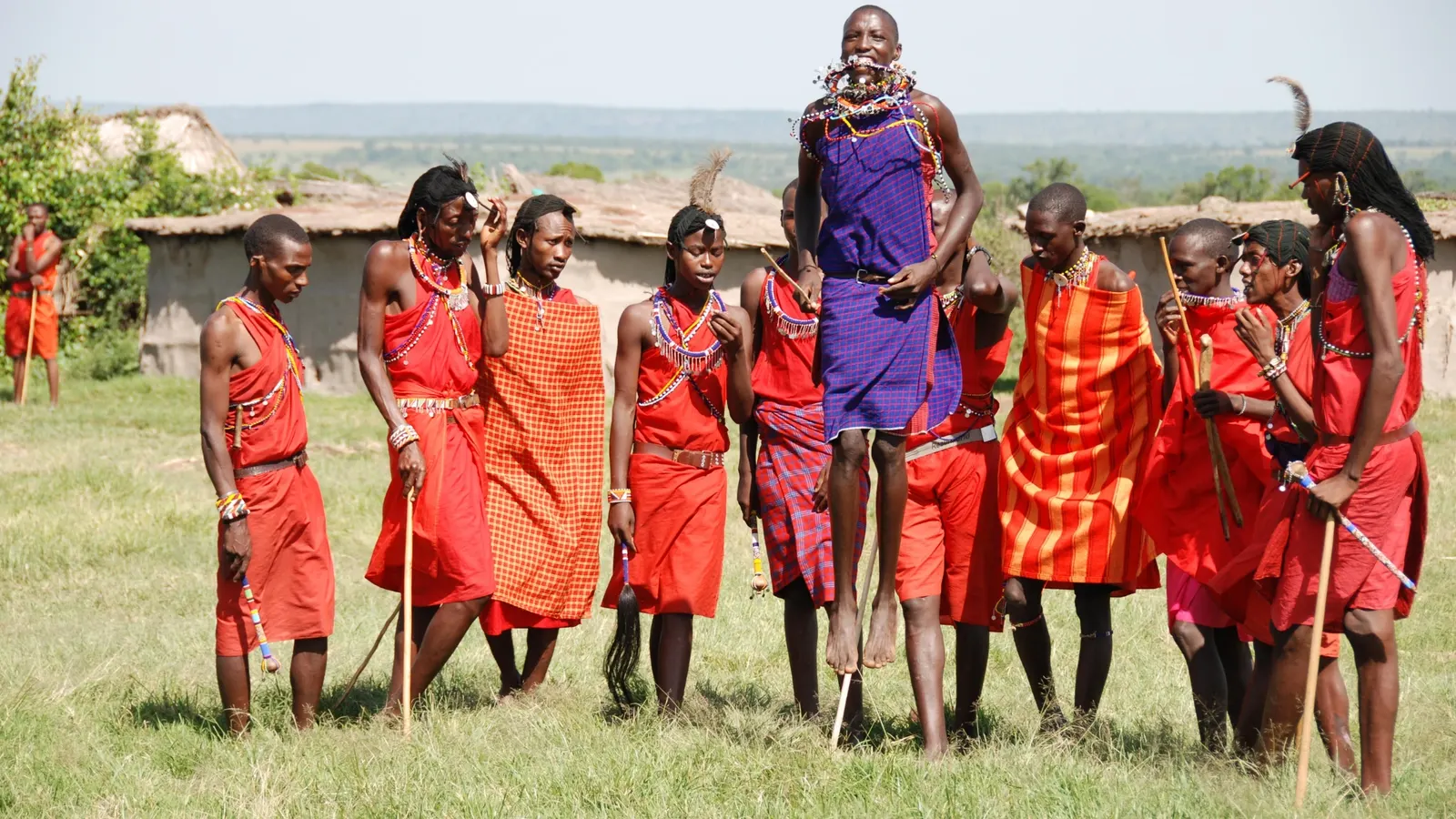
In the north, the Maasai are semi-nomadic pastoralists known for their cattle herding, beadwork and red shukas. Around Mount Kilimanjaro, the Chagga are known for farming on the mountain's fertile slopes, including coffee and bananas. Near Lake Eyasi, the Hadzabe, who traditionally hunt and gather, and the Datoga, who are herders and skilled blacksmiths, live alongside farming neighbours. The Sukuma, found south of Lake Victoria, are often cited as Tanzania's largest ethnic group; the Haya farm the fertile lands west of the lake; and the Makonde of the south-east are celebrated for their woodcarving.
- Names here are only a small sample of many communities.
- Most people live and work in modern ways, and traditional dress is not worn by everyone every day.
- No group is uniform; ask your guide about the people you are meeting.
A few communities you may hear about
Swahili coast people
Known for trading heritage, coastal cooking, taarab music and carved doors in Stone Town and elsewhere. Islam is widely practised along the coast.
Maasai
Pastoralists of the northern plains. Cattle hold great social importance, and many families now combine herding with other work. Cultural visits are best arranged through reputable guides.
Chagga
Farming communities on the slopes of Kilimanjaro, known for irrigation channels, coffee and banana farming, and strong education traditions.
Hadzabe and Datoga
Two distinct peoples near Lake Eyasi. Visit only with a responsible guide, ask before taking photographs and avoid treating hosts as an attraction.
Sukuma, Haya and Makonde
The Sukuma are known for dance societies, the Haya for banana farming and coffee near Lake Victoria, and the Makonde for ebony and wood carving.
Tanzania's modern story is often told in a few steps. Swahili coast trade connected the region to Arabia, Persia and India for many centuries, and Zanzibar became an important trading and clove growing centre. German rule began in the late nineteenth century, and after the First World War the mainland came under British administration. Tanganyika became independent in 1961, Zanzibar's revolution followed in January 1964, and the two joined in April 1964 to form the United Republic of Tanzania.
Julius Nyerere, the first president, promoted national unity, Swahili as a shared language and the policy of ujamaa, or familyhood, which many Tanzanians credit with building a sense of common identity even as people debate its economic results. This history is a reason why Tanzania is widely seen as peaceful and why Swahili is spoken across ethnic lines.
Greetings: the most important custom
1.Always greet first
In Tanzania a conversation starts with a greeting, never with a request. Say hujambo or habari, ask how the person is, and wait for the reply before asking for directions or a price. Greetings in Tanzania can feel long to visitors, and that is part of the courtesy.
2.Shikamoo and marahaba
Young people greet elders with shikamoo, a respectful phrase, and the elder replies marahaba. Visitors who try this with older people are often warmly received, though a friendly habari is also fine.
3.Use your right hand
Handshakes are common, often gentle and sometimes prolonged. Offer or receive items, food and money with your right hand, or with both hands. The left hand is traditionally considered unclean, and while attitudes vary, using the right is the safe choice.
4.Take your time
Do not rush the start of a conversation. A few moments spent greeting properly builds trust, and people will usually be more helpful and relaxed with you.
Pace of life and pole pole
You will hear pole pole (slowly, slowly) often, especially on Kilimanjaro, but it is also a way of life. Meals, meetings and transport can take longer than visitors expect, and plans may shift with weather, road conditions or wildlife. Patience is respected, and visible irritation rarely helps.
Time is often more flexible in social settings than in business or on tours, where your guide will keep to a schedule. Allow buffer time for travel days, and treat delays as part of the experience.
Dress and modesty
Dress is relaxed on safari, where practical, neutral clothing is best. In towns, villages and especially on Zanzibar and the coast, local people dress modestly and visitors are expected to do the same. As a general guide, cover shoulders and knees, and avoid very short shorts, low necklines and see-through clothing. Women may find a light scarf or kanga useful, and men should wear a shirt away from the beach.
The Zanzibar dress code matters most in Stone Town and in villages. Swimwear is for beaches and hotel pools only, and topless sunbathing is not acceptable anywhere. If you plan to visit a mosque or a village, carry a long skirt, trousers or scarf in your day bag. What to wear in Tanzania is, in short, comfortable, clean and modest in public.
Religion, mosques and churches
Christians and Muslims are the two largest religious groups, and traditional beliefs are also practised, sometimes alongside them. Zanzibar is predominantly Muslim, and the mainland coast has many Muslim communities, while Christianity is widespread in the highlands and the interior. Religion is a normal part of everyday conversation, and many people will ask politely about yours.
If you wish to visit a mosque or church, ask first and wait for permission. Remove your shoes before entering, dress modestly, and keep your voice low. Some mosques do not admit non-Muslims, or only outside prayer times, and the call to prayer may be broadcast several times a day. Avoid walking in front of people who are praying. Respectful curiosity is welcome; mockery is not.
Visiting communities and cultural visits
Children, giving and begging
Children will often greet you with a cheerful wave and a shout of jambo, and some may ask for sweets, pens or money. Please do not hand these out. Giving encourages children to approach vehicles and tourists instead of attending school, and sweets harm teeth in places with limited dental care. A smile and a greeting is a better gift.
If you want to help, support a school, clinic or community project through a reputable channel, such as a registered organisation or a project your guide can vouch for, rather than giving directly in the street. Giving to adults who beg is a personal choice, but a donation to a recognised local charity usually reaches people more effectively.
Money, markets and tipping culture
| Situation | General approach |
|---|---|
| Bargaining in markets | Common in craft markets and with street sellers. Smile, make a counter offer, stay friendly and walk away politely if you disagree. Do not bargain in shops with fixed prices or for food in restaurants. |
| Fixed prices | Supermarkets, pharmacies and most restaurants have set prices. |
| Tipping culture | Tipping is customary in tourism, as many guides, drivers and camp staff depend on it. Ask us for current guidance; this page gives no amounts. Small notes are best given directly, with thanks. |
| Everyday tipping | In local restaurants, rounding up or leaving a small amount is appreciated but not required. |
| Payments | See our payments page for cards, cash and mobile money. |
Bargaining should be good humoured. A price that seems small to you may matter a great deal to the seller.
Eating and hospitality
Hospitality is a source of pride. If you are invited to a home, you may be offered tea, soft drinks or a meal, and refusing everything can seem unkind; accepting a little, or explaining politely that you are full, is understood. Wash your hands before eating, which is often done with a jug and basin, and eat with the right hand if food is shared from a common plate. Ugali, rice, beans, grilled meat and stews are common, and many meals are shared.
Say thank you (asante) to your host, and avoid pointing the soles of your feet at others. If you have dietary needs or allergies, tell us before you travel and remind your host at the table.
Public displays of affection, laws and attitudes
Public affection is limited in Tanzania. Holding hands is common among friends of the same sex, but kissing and close embraces between any couple are best avoided in public, and are especially noticed away from tourist beaches.
Practical information: same-sex relationships are illegal in Tanzania, and open displays of affection by any couple are best avoided. Attitudes in many communities are conservative. We state this plainly so every traveller can make informed decisions; we welcome all guests, and we will do what we can to help you travel comfortably.
Alcohol, drugs and sensitive topics
Alcohol is available in hotels, lodges and bars, but is not drunk by everyone, and is less visible on Zanzibar and the coast. Drink in moderation, never in front of a mosque or in religious areas, and avoid public drunkenness. Drugs are strictly illegal in Tanzania, penalties are severe, and you should never carry anything for another person.
In conversation, be careful with politics, religion and criticism of national leaders. Tanzanians are often happy to talk about football, family, food and travel. Listen more than you opine, and avoid comparing communities. Do not photograph military or police sites, airports, bridges or government buildings.
Public holidays commonly observed
| Date | Holiday |
|---|---|
| 1 January | New Year's Day |
| 12 January | Zanzibar Revolution Day |
| 26 April | Union Day |
| 1 May | Labour Day |
| 7 July | Saba Saba (Peasants' Day) |
| 8 August | Nane Nane (Farmers' Day) |
| 9 December | Independence Day |
| 25 and 26 December | Christmas and Boxing Day |
| Varies | Good Friday and Easter Monday |
| Varies | Eid al-Fitr and Eid al-Adha |
Dates are commonly observed but can change, and some holidays move with the calendar or the moon. Banks and offices close, and travel is busy around Christmas and Eid, so check dates when planning.
Do and do not
| Do | Do not |
|---|---|
| Greet everyone first | Start with a demand or a question |
| Cover shoulders and knees in towns and on Zanzibar | Wear swimwear away from the beach |
| Ask before photographing people | Photograph without permission or sensitive sites |
| Use your right hand to give and receive | Use your left hand for handing over food |
| Support schools through reputable channels | Hand out sweets or money to children |
| Eat and drink discreetly during Ramadan | Flaunt food in public in fasting hours |
| Bargain with a smile in markets | Haggle in fixed price shops |
| Take your lead from your guide | Take drugs or carry items for strangers |
Frequently asked questions
Swahili and English in Tanzania: greetings, phrases and pronunciation
Swahili, or Kiswahili, is the national language of Tanzania and the thread that ties together more than a hundred different ethnic groups. A traveller who learns even ten Swahili phrases, starting with a warm jambo and an easy asante sana, will find doors opening faster, prices softening and smiles widening from Dar es Salaam to a Maasai boma near Arusha.
This section gives you Swahili phrases for travellers in plain, polite form: how greetings work, how to pronounce the language, how to ask for things, what to say at a lodge, a market, a mountain camp or in the safari vehicle, and an interactive Swahili phrasebook you can search by word or by English meaning. English is widely used in tourism, so you will never be stranded, but trying Swahili is one of the nicest things you can do for the people you meet.
Swahili and English: what is actually spoken
Swahili is the language of schools, markets, radio, parliament and daily life across Tanzania. Most Tanzanians speak it, and for many it is a second language learned alongside the mother tongue of their family. Along the coast and on Zanzibar it is the first language of many people, and the purest Swahili is often said to be heard there. Exact figures vary by source, so treat any percentage you read as an estimate.
English is an official language and is taught in secondary schools, but how well it is spoken varies a great deal. Safari guides, hotel and camp staff, tour operators and many shopkeepers in tourist areas speak good English, and some guides also speak German, French, Italian, Spanish or Japanese. Away from tourist areas, in small villages and on local buses, you will meet far fewer English speakers, and a few Swahili words will carry you a long way.
Why Swahili matters, and how people respond when you try
Swahili is a language of courtesy. Conversations start with long greetings, and skipping them can feel abrupt. When a visitor opens with jambo or habari and gets the reply right, people often light up, laugh kindly at mistakes and offer a little help with the next word. Nobody expects fluency. Effort is what is noticed.
There are practical benefits too. Learning to say hello properly, say thank you and ask a price politely tends to lead to friendlier exchanges in markets and villages. On a Kilimanjaro trek your crew will sing, joke and teach you the words of the songs, and a traveller who joins in becomes part of the team rather than a customer.
How Swahili greetings work
Jambo and habari
Jambo is the best known Swahili greeting and is used mostly with visitors. Between Tanzanians the usual opener is habari, meaning what news, followed by habari za asubuhi in the morning, habari za mchana in the afternoon or habari za jioni in the evening. The answer is nzuri, meaning good, often with a grateful asante after it.
Mambo and poa
Mambo is a relaxed greeting between friends and younger people, and the reply is poa, meaning cool. Save it for people your own age or people who greet you that way first. With anyone older or in a formal setting, use habari instead.
Shikamoo and marahaba
Shikamoo is a respectful greeting given to an elder, a senior person or a parent, and the elder replies marahaba. Children say shikamoo to their grandparents every day. A visitor who greets an older guide, cook or village elder this way earns real warmth. Do not use it for peers.
Karibu and asante sana
Karibu means welcome and you will hear it at every door, restaurant and camp, as well as when someone invites you to sit or come in. The natural answer is asante sana, thank you very much. Asante is thank you; adding sana makes it warmer.
Pole and pole pole
Pole is an expression of sympathy, used when someone is tired, hurt, has had bad news or has simply worked hard. Pole pole, said twice, means slowly, slowly, and it is the motto of Kilimanjaro climbing, where a slow steady pace is the best protection against altitude problems.
Kwaheri and lala salama
Kwaheri is goodbye, and kwa heri ya kuonana means goodbye until we meet again. In the evening, usiku mwema is good night and lala salama means sleep well. Safari njema, have a good journey, is what you will hear as you set off.
Pronunciation of ten key words
| Word | Say it like this | Meaning |
|---|---|---|
| Jambo | JAHM-bo | Hello |
| Habari | hah-BAH-ree | How are you? (what news?) |
| Asante | ah-SAHN-tay | Thank you |
| Karibu | kah-REE-boo | Welcome |
| Pole pole | POH-lay POH-lay | Slowly, slowly |
| Shikamoo | shee-kah-MOH | Respectful greeting to an elder |
| Kwaheri | kwah-HEH-ree | Goodbye |
| Tafadhali | tah-fah-DAH-lee | Please |
| Samahani | sah-mah-HAH-nee | Excuse me, sorry |
| Kilimanjaro | kee-lee-mahn-JAH-ro | The mountain, and the region |
Stress usually falls on the second to last syllable. Say every vowel clearly and do not swallow the ends of words.
Pronunciation basics and a gentle word on grammar
Swahili is written the way it sounds, which makes it friendlier than English. There are five pure vowels: a as in father, e as in the first part of day, i as in machine, o as in or, and u as in food. Each vowel is pronounced every time, so a word like kiboko has three clear syllables, kee-BOH-ko. In almost every word the stress falls on the second to last syllable, so you say ah-SAHN-tay and hah-BAH-ree, not AH-sante.
Some consonants are blended in a way that feels unusual at first. In words such as nyama (meat), nyati (buffalo) and nyumbu (wildebeest) the ny sounds like the ny in canyon. Words such as mti (tree) and mto (river) begin with a soft hum before the consonant, so you can think of m-TEE and m-TOH. Ng' with an apostrophe, as in ng'ombe (cow), is the sound at the end of the English word singer.
Grammar can wait, but one idea is worth knowing because it explains why Swahili words change shape. Nouns belong to noun classes, and the beginning of a noun, its prefix, shows the class. Words for people usually begin with m or wa (mtu, one person; watu, people), and many things and languages begin with ki or vi (kitabu, book; vitabu, books; Kiswahili, the Swahili language). The adjectives and verbs then agree with the noun, which is why you hear so many similar sounds in one sentence. You do not need to master this; spotting the pattern simply makes the language feel less random.
How to ask politely in Swahili
1.Start with a greeting
Begin with habari or the right time of day greeting and wait for the answer before you ask for anything. It takes five seconds and changes the tone of the whole exchange.
2.Add tafadhali or naomba
Tafadhali means please and can be placed at the start or end. Naomba, meaning I request, is the polite way to ask for something, so naomba maji ya chupa (may I have bottled water) sounds natural and courteous.
3.Use samahani to get attention
Samahani, excuse me, is the way to catch a waiter or a stranger's attention without sounding abrupt. Follow it with your question.
4.Say thank you before you leave
Finish with asante or asante sana. If someone has gone out of their way, add asante kwa msaada wako, thank you for your help.
5.Accept a refusal gracefully
If you do not want something offered on the street, a calm sitaki, asante (I don't want it, thank you) with a smile is polite and clear. Shouting or ignoring people is never necessary and rarely works.
Useful phrases in context
At a lodge or camp
Greet staff with habari za asubuhi, ask kiamsha kinywa ni saa ngapi (what time is breakfast), request naomba taulo (a towel) and finish with asante kwa ukarimu wako, thank you for your hospitality. Kuna maji ya moto is the question to ask about hot water.
At a market
Ask hii ni bei gani to learn the price. If it is too high, smile and say ni ghali sana, then punguza bei kidogo, reduce the price a little. Bargaining is normal at craft stalls but not in supermarkets or on fixed menus. Whatever the outcome, leave with asante sana.
On the mountain
Pole pole is repeated all day. When tired, nimechoka means I am tired, and your guide may answer endelea, keep going, or pumzika, rest. At the summit, hongera is congratulations, and you will hear it often.
With your guide
Ask kuna simba hapa (are there lions here), point and say nini hii (what is this), and learn animal names as you go. Thank the guide with asante kwa safari nzuri, thank you for the lovely journey. Guides love a client who is curious.
Local languages beyond Swahili
Tanzania has well over a hundred languages. On safari you will meet Maa, the language of the Maasai, and in the Kilimanjaro region you will hear Chagga. Sukuma is spoken by the largest ethnic group, around Lake Victoria, while Haya, Hehe, Gogo, Nyakyusa and many more belong to their own regions. Most people speak their mother tongue at home, Swahili with other Tanzanians and English in school or business. A few words in Maa or Chagga from a guide who shares them are a delightful bonus, but Swahili is the language that every Tanzanian shares, so it is the right one to learn.
Learning tips before you fly
Swahili phrasebook for travellers
Search by Swahili or English, or browse the groups. Pronunciation hints are in plain letters, with capitals marking the stressed syllable.
Greetings and politeness
- Jambosay: JAHM-boHello (the classic greeting to visitors)
- Habari?say: hah-BAH-reeHow are you? (literally, what news?)
- Nzurisay: n-ZOO-reeGood, fine
- Habari za asubuhi?say: hah-BAH-ree zah ah-soo-BOO-heeGood morning, how is your morning?
- Habari za mchana?say: hah-BAH-ree zah m-CHAH-nahGood afternoon, how is your day?
- Habari za jioni?say: hah-BAH-ree zah jee-OH-neeGood evening, how is your evening?
- Mambo?say: MAHM-boWhat's up? (informal, to peers)
- Poasay: PO-ahCool, fine (informal reply to mambo)
- Shikamoosay: shee-kah-MOHI hold your feet (respectful greeting to an elder)
- Marahabasay: mah-rah-HAH-bahI accept (the reply to shikamoo)
- Karibusay: kah-REE-booWelcome, or you are welcome to come in
- Asantesay: ah-SAHN-tayThank you
- Asante sanasay: ah-SAHN-tay SAH-nahThank you very much
- Tafadhalisay: tah-fah-DAH-leePlease
- Samahanisay: sah-mah-HAH-neeExcuse me, I beg your pardon
- Polesay: POH-laySorry (sympathy for a small difficulty)
- Pole sanasay: POH-lay SAH-nahI am very sorry
- Kwaherisay: kwah-HEH-reeGoodbye
- Kwa heri ya kuonanasay: kwah HEH-ree yah koo-oh-NAH-nahGoodbye until we meet again
- Usiku mwemasay: oo-SEE-koo mweh-mahGood night
- Lala salamasay: LAH-lah sah-LAH-mahSleep well
- Ndiyosay: n-DEE-yoYes
- Hapanasay: hah-PAH-nahNo
- Sawasay: SAH-wahOK, all right
- Hamna shidasay: HAHM-nah SHEE-dahNo problem
- Usijalisay: oo-see-JAH-leeDon't worry
Frequently asked questions
Tanzanian food and drink: what to eat, what to drink and how to eat it
Tanzanian food is honest, generous and shaped by geography. On the mainland highlands, meals revolve around ugali, beans, greens and grilled meat; on the coast and in Zanzibar, centuries of trade across the Indian Ocean brought rice dishes, coconut, cloves, cardamom and cinnamon; and in every town you will find street snacks that cost very little and taste better than they have any right to. Eating well is one of the great pleasures of a trip, whether you are on safari, on Kilimanjaro or on a beach.
This section explains Tanzanian food culture in plain terms: the staples, the dishes worth ordering, what to eat in Zanzibar, what to drink, how to eat politely, how meals work on safari and on the mountain, and how we handle vegetarian, vegan, halal, gluten free and allergy needs. Health, water safety and dietary preparation are covered in more detail in Before you fly (the preparation section of Travel Essentials), so we link to it rather than repeat it here.
Tanzanian food culture in a nutshell
Food in Tanzania is social. A meal is shared from central dishes, guests are served first and refusing a second helping politely is part of the dance. Hospitality is a point of pride, so if you are invited into a home you will almost certainly be fed, and it is kind to accept at least a little. Breakfast is often tea and a snack such as mandazi, lunch is the main meal for many people, and dinner is lighter or the same again, depending on the household.
Regional variety is large. Chagga cooks near Kilimanjaro are known for bananas stewed with meat, Sukuma and other lake communities for fresh tilapia and Nile perch, the Maasai for milk and meat, and Swahili cooks on the coast for pilau, biryani, coconut curries and grilled seafood. Because ingredients are mostly local and seasonal, freshness is common, and the best meals are often the simplest.
The staples
Ugali
Ugali is a stiff porridge made from maize flour and water, cooked until it holds its shape. It is eaten with the right hand: pinch off a piece, roll it, make a small hollow with your thumb and use it to scoop up stew, beans or greens. It has little taste of its own, which is the point. Ugali and nyama choma is the classic pairing.
Rice and wali
Rice, called wali when cooked, is the daily staple on the coast and in towns. It may be plain, fragrant with spices as pilau, or cooked in coconut milk. Wali na maharage, rice with beans, is a favourite working lunch.
Chapati
Chapati is a soft, layered flatbread, fried on a flat pan. It is eaten at breakfast, with stews or rolled around fillings. Home chapati is fresh and slightly oily and is usually loved by visitors on sight.
Beans and legumes
Beans, lentils, pigeon peas and groundnuts provide much of the protein in everyday meals. Maharage ya nazi, beans stewed in coconut milk, is rich and comforting and often suits vegetarians well.
Bananas and plantains
Green cooking bananas, called ndizi, are boiled, mashed or stewed with meat in the Kilimanjaro and Kagera regions. Ripe ones are sweet snacks. Plantains are also fried as chips.
Cassava and maize
Cassava, or muhogo, is boiled, fried with chilli and lime, or ground into flour. Maize is roasted on the cob by the roadside, ground into ugali flour or boiled with beans in a dish called makande. Sweet potatoes and yams appear too.
Dishes to know: what it is and where to try it
| Dish | What it is | Where to try it |
|---|---|---|
| Nyama choma | Grilled meat, usually goat or beef, cut up and served with salt and kachumbari | Local grill bars and roadside stalls in any town, best with ugali |
| Pilau | Spiced rice cooked with meat in stock, cumin, cardamom and cloves | Coastal towns, Zanzibar, and local restaurants nationwide |
| Biryani | Layered rice and meat with saffron or turmeric and fried onions | Coast and Zanzibar, especially at celebrations |
| Wali na maharage | Rice with beans in sauce | Local canteens in almost every town |
| Mchemsho | A boiled vegetable and meat stew with potatoes, carrots and bananas | Home cooking and local restaurants |
| Supu | Soup, often goat, beef or fish broth with spices | Morning stalls and local cafes |
| Mishkaki | Marinated beef or chicken skewers grilled over charcoal | Evening street stalls and night markets |
| Samaki | Fish, fried, grilled or in coconut sauce | Lake Victoria shores, coast and Zanzibar |
| Urojo | Zanzibar mix: a tangy yellow soup with potato, cassava, bhajia and chutney | Street stalls in Zanzibar Town and Dar es Salaam |
| Chipsi mayai | Chips cooked into an omelette | Street food stalls and local cafes |
| Mandazi | Lightly sweet fried dough, sometimes with cardamom or coconut | Breakfast stalls, bakeries and tea shops |
| Sambusa | Fried triangular pastry with minced meat or vegetables | Markets, especially during Ramadan on the coast |
Names and recipes vary from region to region, and so do the portions, so ask what is in a dish if you have any dietary concern.
Common dishes in more detail
Nyama choma, which simply means roasted meat, is the national weekend ritual. Goat is the favourite and the best cuts are chosen from the butcher's hook, then grilled slowly over charcoal. It arrives chopped on a wooden board with a pile of salt, a dish of kachumbari (a fresh salad of tomato, onion and chilli) and sides of ugali or fried bananas. Eat with your fingers and a cold drink, and take your time.
Pilau is the dish of celebrations on the coast and inland. Rice is cooked in meat stock with whole spices, giving a deep brown colour and warm fragrance. Biryani is its more elaborate cousin, with layers of masala-marinated meat, potato and rice. Mchemsho is a hearty boiled stew; supu is a clear spiced soup; mishkaki are skewers that are grilled until charred at the edges.
For breakfast and snacks, look for mandazi, chapati, sambusa and chipsi mayai. Urojo is a street soup that rewards curiosity: it is tangy, spicy, crunchy and soft all at once. Samaki, fish, is best eaten near water, where it is caught the same day.
What to eat in Zanzibar
Zanzibar's food is the clearest expression of the Swahili coast: Arab, Indian, Persian, African and Portuguese influences meeting around spices. The island was once known as the Spice Island, and cloves, cinnamon, nutmeg, vanilla, black pepper and cardamom are still grown and used everywhere. Coconut features in curries, rice, bread, sweets and drinks, and seafood arrives fresh from the fishing boats each morning.
Zanzibar mix, locally urojo, is a signature dish, but also try octopus, often grilled or curried in coconut, grilled fish and prawns with spiced marinades, and coconut bread called mkate wa kumimina. Chapati and mandazi are served warm in the morning, and the island is known for sweet treats that use coconut and cardamom.
The evening street food markets in Stone Town are a highlight. At Forodhani Gardens, an open air waterfront market, vendors grill seafood and skewers, make fresh sugarcane juice and serve Zanzibar pizza, a stuffed, pan fried parcel of egg, meat or vegetables and cheese. Go hungry, go early while the grills are fresh, choose busy stalls and pay as you go. Many visitors treat it as the best meal of their stay.
Try these ten dishes
1. Nyama choma
Slow grilled goat or beef with salt and kachumbari. The classic Tanzanian social meal, and the most reliable way to feel at home.
2. Pilau
Fragrant spiced rice cooked with meat in stock. Mild, warming and good with a squeeze of lime and kachumbari.
3. Ugali with greens
The local comfort food. Ask for sukuma wiki, a dish of sautéed greens, or a bean stew on the side.
4. Maharage ya nazi
Beans simmered in coconut milk, creamy and gently spiced. A good vegetarian choice that goes with rice or chapati.
5. Mishkaki
Marinated meat skewers off a charcoal grill, best eaten hot at an evening stall.
6. Urojo
A tangy, spicy soup with fried snacks and chutney. The best way to understand Zanzibar in one bowl.
7. Chipsi mayai
Chips folded into a fluffy omelette, often with kachumbari. Simple, filling and popular at lunch.
8. Samaki wa kupaka
Grilled fish painted with a coconut and tamarind marinade. Superb on the coast and Zanzibar.
9. Mandazi
Soft, lightly sweet fried dough, delicious dunked in sweet milky tea.
10. Sambusa
Crisp triangles with spiced meat or vegetables, sold hot at markets and eaten as a snack all year.
Drinks: chai, coffee, juice and local beer
Chai, tea, is the national drink. It is usually brewed with milk and plenty of sugar, and often flavoured with ginger, cardamom or cinnamon. Ask for chai bila sukari if you prefer it unsweetened. Coffee is grown in the Kilimanjaro foothills around Moshi, in the Mbeya highlands and in Kagera. Tanzanian coffee from Kilimanjaro and Mbeya has a bright, fruity acidity and is excellent when freshly roasted. Local coffee served on the roadside is often thick, sweet and strong, sometimes spiced.
Fresh juices are everywhere: mango, passion fruit, pineapple, watermelon, sugarcane and the coconut water of a fresh madafu opened on the spot. Ask for no ice if you are unsure of the water. Bottled water is sold everywhere and is the safest choice; always check the seal is intact. Sodas are popular, especially the local ginger beers.
Tanzania has several well known local beers, brewed to a light lager style, and a tradition of spirits made from banana, sorghum and sugarcane. Bars and grill houses are social places, and a cold beer with nyama choma is a ritual. Moderation is wise, particularly at altitude and in the heat, and strong home-brewed spirits are best avoided as quality is not controlled. Wine is available in tourist lodges and restaurants but is more expensive than beer.
Eating etiquette
1.Wash your hands first
At a local meal, a jug and bowl are often brought to the table so everyone can wash before and after eating. Use it, and let the water drain into the bowl.
2.Use your right hand
The left hand is traditionally considered unclean, so eat, pass dishes and receive food with your right hand. Cutlery is always available if you prefer it, and nobody will mind.
3.Wait to be served and invited
Guests are served first, and the host usually starts the meal. Accept what is offered, take small tastes, and leave a little on the plate if you are full.
4.Share from the middle
Dishes are commonly shared. Take food from the part of the dish nearest to you, and do not reach across other people.
5.Say thank you
Say asante sana after the meal, and complimenting the cook with kitamu sana (very tasty) always goes down well.
Food on safari
On safari, meals are an important part of the day. In lodges and permanent camps you can expect a breakfast of eggs, fruit, bread and pastries, a lunch buffet or three course meal and a three course dinner, often with local dishes alongside international ones. Lunch is often served at the lodge or as a picnic box when you are on a long game drive, with sandwiches, fruit, a boiled egg, juice and a snack. In mobile tented camps, a cook prepares meals over a fire or gas stove, and the quality is regularly a delight.
Portions are generous, fresh vegetables and fruit are served at most meals and tea and coffee are available throughout the day. Hot drinks before an early game drive are a ritual. Menus are usually set, so tell us your dietary needs when you enquire so that each lodge and camp can prepare in advance.
Food on Kilimanjaro
Kilimanjaro meals are cooked by a trekking cook who travels with the crew and prepares food at each camp. Expect hot porridge or eggs for breakfast, a packed or hot lunch, afternoon tea with popcorn or biscuits, and a hot, filling dinner of soup, rice or pasta, vegetables and a stew. The menu is designed to be easy to digest and rich in carbohydrates, which helps at altitude.
Appetite can fall as you climb, so eating even when you do not feel like it is important, and drinking plenty of boiled, treated water is a part of good acclimatisation. Your guide will encourage you to drink three to four litres a day. Bring a few favourite snacks from home such as nuts or energy bars, because familiar flavours help when your appetite wanes. Vegetarian, vegan and other options can be arranged if the cook knows in advance.
Vegetarian, vegan, halal, gluten free and allergies
Street food and water safety
Street food is one of the joys of Tanzania, and most visitors enjoy it without difficulty. A few sensible habits help. Choose busy stalls with a high turnover of customers, where food is cooked fresh in front of you and served piping hot. Be cautious with raw salads, pre-cut fruit and anything that has been sitting in the sun. Peel fruit yourself, wash your hands before you eat, and carry hand sanitiser for the moments when there is no water.
Drink bottled or treated water only, check the seal on bottles, and be careful with ice, which may be made from untreated water. Smart lodges and camps use filtered water for ice and cooking, and your guide will tell you what is safe. Brush your teeth with bottled or treated water if you have a sensitive stomach. For vaccinations, travel health, water treatment options and the rest of our general health guidance, please see the preparation section of Travel Essentials, and speak to a travel clinic about your own situation.
Markets, fruit and farm visits
A local market is one of the best places to understand Tanzanian food. Piles of tomatoes, onions and chillies sit beside heaps of cassava, plantains, mangoes, avocados, passion fruit, papaya, pineapple and oranges. Prices are lower than in shops and the fruit is often exceptional. Greet the seller, ask the price with hii ni bei gani, and bargain gently if it is a craft or souvenir stall. Fruit and vegetable stalls usually have fair, fixed prices.
Coffee and tea farm visits are popular additions near Moshi and Arusha. You can walk through shaded plantations, see how cherries are picked, pulped, dried and roasted over a fire, grind beans by hand and taste a cup brewed on the spot. Spice tours in Zanzibar show cloves, vanilla, cinnamon and lemongrass growing, and end with a tasting of fruit and spiced tea. They make memorable half day activities and the coffee and spices are good gifts to take home.
Tipping at restaurants and paying for meals
Tipping at restaurants is appreciated but not compulsory. A service charge is sometimes included, so check the bill first. If it is not, rounding up or leaving around ten per cent for good service is customary in tourist restaurants. Street stalls and small local places do not expect a tip, though rounding up small change is a kind gesture. Cash in Tanzanian shillings is the easiest way to pay for street food and market purchases, while larger restaurants often accept cards. Carry small notes, because change can be hard to find.
Frequently asked questions
Tanzania on the ground: connectivity, getting around, safety and daily life
Once the flights are booked and the safari is planned, the questions that remain are the small, practical ones. Will my phone work? How do I get a taxi in Arusha? Is it safe to walk around town in the evening? What should I buy as a souvenir, and what must I never take home? This section answers the everyday questions that visitors ask us most often, so that Tanzania feels familiar before you arrive.
Nothing here is meant to worry you. Millions of visitors travel through Tanzania every year with no trouble at all, and a few habits of ordinary common sense cover almost every situation. Health, insurance, money and tipping basics are covered in more detail in our Preparation and Payments sections, and we link to them where they matter rather than repeating them.
Staying connected: mobile networks and the Tanzania SIM card
Mobile coverage in Tanzania is good in towns and along main roads, and patchy or absent in remote parts of the national parks and on Kilimanjaro. The mobile networks most commonly used are Vodacom, Airtel, Tigo (now operating as Yas) and Halotel. Vodacom and Airtel generally have the widest coverage for visitors, and either is a sensible choice if you plan to buy a local SIM.
A Tanzania SIM card must be registered before it will work, and registration requires your passport and a fingerprint or photograph taken at the point of sale. Buy from an official shop of the network, or from a registered agent at the airport or in town, rather than from a street seller. Bring your passport with you on the day, and allow 20 to 30 minutes. Your phone must be unlocked to accept a local SIM.
An eSIM for Tanzania is a simpler alternative if your phone supports it. Many travel eSIM providers sell Tanzania data plans that you can install before you fly, so that you land with mobile data already working. Check that your phone model supports eSIM and that the plan covers Tanzania, and remember that an eSIM usually gives you data only, with a foreign number for calls.
- Wifi is available in most towns, and in many lodges and camps, though speeds can be slow and the signal is often limited to the main building.
- Inside the parks, mobile coverage in the national parks comes and goes. Do not rely on being reachable at all times, and tell family that a quiet day on safari is normal.
- On Kilimanjaro, signal is intermittent on the lower slopes and unreliable higher up. Treat the mountain as a chance to disconnect.
- Carry a power bank. Charging points in tents and vehicles can be limited, and a charged phone doubles as a camera, torch and alarm clock.
Getting around towns
Taxis
Licensed taxis are the easiest way of getting around Arusha, Moshi, Dar es Salaam and Zanzibar. Agree the taxi fare before you get in, because many taxis do not use meters. Your hotel can usually call a trusted driver and tell you the usual price for your route.
Ride-hailing apps
In the larger cities, ride-hailing apps in Tanzania are generally available and show the fare in advance, which many visitors find reassuring. Availability varies by town and by time of day, so check the app before relying on it, and have a taxi number as a backup.
Daladalas
Daladalas are the crowded minibuses that carry most local commuters. They are cheap and fascinating, but they are packed, routes are not signposted for visitors, and bags are exposed. For most visitors a taxi is the better choice.
Boda-bodas
Boda-bodas are motorbike taxis. They are quick and cheap, but helmets are often missing or poor and accidents are common. Most travel insurance excludes motorbike use, so we recommend that visitors avoid motorbike taxis.
Road conditions and why we recommend a driver
Traffic in Tanzania drives on the left, as in the United Kingdom. Main roads between the big towns are generally paved, but distances are long, and a journey that looks short on a map can take most of a day. Away from the main routes, roads are often dirt tracks that turn to mud in the rains and to fine dust in the dry months.
Livestock, pedestrians, bicycles, trucks overtaking on bends and unlit vehicles after dark are all part of everyday road conditions in Tanzania. For that reason we advise against night driving, and our itineraries are planned so that transfers happen in daylight. We also recommend a professional driver rather than self-drive: an experienced driver knows the road conditions, handles police checkpoints calmly, reads the weather, and lets you look at the scenery instead of the road.
If you do choose to hire a car, you will need your home licence and usually an international driving permit, and you should check the insurance carefully. Park road rules and speed limits also apply, and wildlife has the right of way.
Shopping and souvenirs: what to look for
| Item | What it is | Buying advice |
|---|---|---|
| Tinga tinga paintings | Bright enamel paintings of animals, a style that began in Dar es Salaam | Buy from studios or fair-trade shops; rolled canvases travel flat |
| Kanga and kikoy cloth | Printed cotton wraps, often with a Swahili proverb along the border | Inexpensive, light and useful as a beach wrap or sarong |
| Makonde carvings | Detailed ebony and hardwood carvings from the south-east of Tanzania | Ask what wood is used and avoid anything made from protected species |
| Tanzanite | A blue-violet gemstone found only near Mount Meru and Kilimanjaro | Buy tanzanite only from reputable sellers who give a written receipt and certificate |
| Coffee and spices | Kilimanjaro coffee, vanilla, cloves, cinnamon and pepper from Zanzibar | Sealed packs are easy to pack and make good gifts |
| Maasai beadwork | Beaded jewellery and belts made by Maasai women | Buying at Maasai markets or cooperatives puts money directly with the makers |
Prices at tourist stalls are usually opened high. A friendly negotiation is part of the experience.
Markets, bargaining etiquette and money in daily life
Markets are the best place to meet people and to find genuine local goods. Maasai markets in and around Arusha sell beadwork, blankets and carvings, and the central markets in Moshi, Arusha and Stone Town sell everything from fruit to fabric. Browse slowly, greet vendors politely with a simple 'Jambo' or 'Habari', and do not feel obliged to buy.
Bargaining etiquette is straightforward. Offer roughly half to two thirds of the first price, smile, and be ready to move up gradually. Never bargain for something unless you really want it, and never agree a price and then walk away. If the seller will not meet your price, thank them and leave without any fuss. Fixed-price shops and supermarkets do not bargain, and nor do restaurants.
For money in daily life, cash in Tanzanian shillings is still the most useful for small purchases, market stalls, taxis and tips. Many local people use mobile money, which is a phone-based payment system, and you will see its signs everywhere, though it needs a registered local SIM. ATMs are common in towns but rare in rural areas, so draw cash while you are in a city. Our Payments section covers cards, US dollars and tipping in detail, so we do not repeat it here.
Safety and common sense: a simple routine
1.Keep valuables out of sight
Is Tanzania safe for tourists? In general yes, and most visitors never have a problem. The usual issue is petty theft in busy places, so keep phones, cameras and wallets out of sight and avoid wearing expensive jewellery in town.
2.Use a secure bag
Carry a small cross-body bag or a zipped daypack, worn in front in crowded markets and bus stations. Do not leave bags on the back of a chair or hanging on the back of your seat.
3.Be careful after dark in cities
Avoid walking after dark in Arusha, Dar es Salaam and other cities, even short distances. Take a taxi from your hotel and ask the driver to wait until you are safely inside.
4.Take care at ATMs
Use ATMs inside banks or hotels in daylight where possible, cover the keypad, and do not accept help from strangers. Count your cash after you leave the machine, not at it.
5.Use the safe and keep copies of documents
Keep your passport, spare cash and spare cards in your hotel safe, and carry a photocopy or phone photo of your passport and visa. Keep a second copy of your documents with someone at home.
Scams, touts and fake guides in Arusha
Arusha is the gateway to the northern safari circuit, and like any busy tourist hub it has people who approach visitors on the street. Touts and fake guides may claim to be from your hotel, or to know a better price, and unofficial tours sold on the pavement are a common source of disappointment and lost money.
The simplest defence is to book your safari in advance with a company you have checked, and to ask your hotel about anything else. Never hand over cash on the street for a tour, never go anywhere with someone who has only just met you, and treat 'a special price today only' with caution. A polite 'No, thank you' and keeping on walking is usually enough.
- Ask your hotel to recommend a taxi, a restaurant or a guide for day trips.
- Do not follow anyone who says your hotel or tour is closed or has moved.
- Be wary of anyone who asks for money to 'register' you for a tour or national park.
- If you feel uncomfortable, step into a shop, hotel or restaurant and ask for help.
Health on the ground and daily weather
Sun and hydration
The equatorial sun is strong even on cool or cloudy days, and altitude makes it stronger. Wear a hat and sunglasses, apply high-factor sunscreen often, and drink water steadily through the day.
Insects
Mosquitoes are most active at dusk and dawn. Use insect repellent, wear long sleeves and trousers in the evening, and sleep under the net provided. Tsetse flies in some parks bite hard, so light-coloured clothing in neutral tones is helpful.
Bottled water
Drink bottled or treated water only, and use it for cleaning your teeth. Ice in good hotels is generally made from safe water, but ask if you are unsure. Our Preparation section covers vaccinations, malaria and insurance in detail.
What to wear
Dress in layers. Early mornings on safari and at altitude can be cold, midday is hot, and evenings cool quickly. Bring a warm fleece, a light rain jacket for the rainy months, and comfortable closed shoes.
Zanzibar practicalities
Zanzibar is mostly Muslim and Stone Town is a conservative, living city. Wear modest clothing in Stone Town, with shoulders and knees covered, and keep swimwear for the beach and hotel pool. Away from resort areas, local women and men dress modestly, and respectful dress is appreciated.
The sea on the east coast has dramatic tides, and at low tide the water can retreat hundreds of metres, which affects swimming and boat departures. Ask your hotel for the tide times. Beach boys and touts selling tours, shells and massages are a feature of busy beaches; a calm 'No, thank you' works, and a firm but friendly manner is far better than anger.
Ferries between Dar es Salaam and Zanzibar are frequent, but book a reputable operator, arrive early with your passport, and keep your bags with you. During Ramadan in Zanzibar, many local restaurants close or open late in the day. Eat and drink discreetly in public during daylight hours, and the visit will still be a rewarding one.
Time, punctuality, laundry and hygiene
| Topic | What to expect |
|---|---|
| Time zone | Tanzania is on East Africa Time, three hours ahead of GMT, with no daylight saving. Sunrise and sunset are close to 6.30 am and 6.30 pm all year. |
| Punctuality | Safari departures start on time, because wildlife is most active early. In daily life, people can be relaxed about time, so allow extra margin when you have a flight to catch. |
| Laundry | Most lodges offer same-day or next-day laundry for a fee. Some camps ask that underwear is washed by guests themselves, so pack enough or bring a small travel wash. |
| Toilets on safari | Lodges and camps have flush toilets. On a game drive, your guide will stop at a toilet block or a discreet spot. Carry tissues and hand sanitiser. |
| Toilets on Kilimanjaro | Climbs use toilet tents or basic long-drop huts, and all waste is carried out. Bring toilet paper and pack used paper in the bag provided. |
| Hygiene | Wash hands before eating, carry sanitiser, and use wet wipes on the mountain, where water is limited. |
Daily-life checklist
Frequently asked questions
Photography and wildlife ethics: how to take great photographs and travel responsibly in Tanzania
A safari is a privilege. You are a guest in the homes of wild animals and in the homelands of communities who have lived alongside them for generations. How we photograph people, how we behave around wildlife and how we spend our money all shape what Tanzania looks like for the next visitor, and for the people who live here. This section sets out the etiquette, the park rules and the habits that make a trip better for everyone.
None of this is complicated, and none of it will spoil your photographs. The best safari pictures usually come from patience, respect and a guide who knows how to position the vehicle without disturbing the animals. We explain what is expected, why the rules exist, and how to enjoy the wildlife while leaving no trace.
Photography etiquette: photographing people
The first rule of photography etiquette in Tanzania is simple: ask permission before photographing people. A smile and a gesture towards your camera is usually enough, and a quick 'Naomba picha?' (may I take a photo?) is warmly received. If the answer is no, accept it politely and put the camera away. Many people do not want to be photographed, for religious, cultural or personal reasons, and a photograph is never worth causing offence.
Ask permission in particular when photographing Maasai and Hadzabe communities. Some people will ask for a small payment, and that is their right, since their image and their time have value. Agree the price before you take any photograph, never after, and ask your guide to help with the conversation. A cultural visit that is arranged openly, with a fee that goes to the village, is better for everyone than a rushed snapshot from a car window.
Do not photograph people in distress, such as an accident, a sick person or someone grieving. Be gentle with children, and see the section on children and photography below. Respect religious sites: ask before photographing inside a mosque, church or shrine, dress modestly, and do not photograph people while they pray.
- Ask first, and accept a refusal with a smile.
- Agree any payment before you photograph, not afterwards.
- Offer to show people the picture on your screen. It often turns a transaction into a conversation.
- Never photograph military, government buildings, airports, bridges or police. It is restricted and can lead to your camera being confiscated or questions being asked.
Safari photography tips: a simple routine
1.Turn off the flash
No flash on a game drive, ever. It startles animals, ruins the night vision of predators and disturbs other guests. Modern cameras and phones work well in low light without it.
2.Stay quiet and still
Safari photography tips begin with silence. Speak softly, switch off phone sounds, and avoid sudden movements in the vehicle. Animals that feel safe stay longer and behave naturally.
3.Use a long lens and a bean bag
A long lens of 200 to 400 mm lets you fill the frame from a respectful distance. A bean bag on the roof or window frame gives a steadier support than a tripod, which is awkward in a vehicle.
4.Protect your camera from dust
Dry-season tracks are dusty. Keep a cover or a pillowcase over your camera between sightings, change lenses inside the vehicle with care, and carry a blower brush and lens cloths.
5.Shoot from the vehicle
Take photographs from inside the vehicle. Do not stand on the seats or lean out of the roof beyond what your guide permits, and never leave the vehicle to get a better angle.
6.Let your guide position the vehicle
Your guide knows how to approach so that the animals stay relaxed and the light is good. Ask for a particular angle, but accept their judgement. They want the photograph as much as you do.
7.Plan for sunrise and sunset light
The soft, warm light of early morning and late afternoon makes the best wildlife photographs. Midday light is harsh, which is a good time to rest, eat lunch or review your pictures.
Drones: rules in Tanzania
The drone rules in Tanzania are strict, and visitors often misunderstand them. A permit is required to fly a drone in the country, and drones are restricted or prohibited in national parks and conservation areas, because they disturb wildlife, other visitors and nesting birds. Customs officers may ask about a drone at the airport and can hold it.
Our advice is straightforward: do not bring a drone unless you have arranged a permit well in advance, and do not fly without written permission from the relevant authority. Never assume a lodge or a guide can authorise a flight. Rules change, so check the current position before you travel. Most travellers find that their best aerial perspective comes from a balloon flight or a small aircraft transfer instead.
Wildlife viewing ethics
Keep your distance
Wildlife viewing ethics start with distance. Keep a respectful gap, and never ask your guide to drive closer than they think is safe. Animals that are crowded may stop feeding, abandon a kill or leave their young.
No feeding, no chasing
Do not feed any wild animal, including monkeys and baboons. Feeding teaches them to approach vehicles and people, which often ends badly for the animal. Do not chase, call out or throw anything to attract attention.
Limit time at sightings
Spend a sensible time at each sighting and move on so that other vehicles can see the animals. At a busy sighting, do not block the way and wait your turn.
Space for predators and nests
Give predators, mothers with young, nesting birds and dens space. A cheetah hunting in the open will abandon a hunt if surrounded by vehicles, and the cubs and the cheetah both lose.
Stay on the track
Off-road driving is prohibited in the national parks, and speed limits are enforced to protect animals. Do not ask your guide to break the rules for a better view; a good guide will refuse and is right to do so.
Stay in the vehicle
Do not get out of the vehicle except in designated areas such as picnic sites and viewpoints. Wild animals can be nearer than they appear.
Primate viewing rules
If your trip includes chimpanzees or other primates, the rules are tighter, because apes share many illnesses with us. Chimpanzee trekking in Tanzania, in places such as Mahale and Gombe, follows strict primate viewing rules: a minimum distance of about 10 metres, small groups, a limited hour with the animals, and no eating or drinking in their presence.
Masks are generally required, and people who are unwell with a cold, cough or stomach illness must not trek. Be honest with your guide if you feel ill, as an infection passed to chimpanzees can be serious. Keep your voice low, do not point or stare directly, and never run or touch them. If a chimpanzee approaches, stay calm and step back slowly.
Responsible and ethical travel
Responsible tourism in Tanzania is mostly a matter of small, steady choices. Tanzania has a ban on plastic bags, so do not pack them and do not carry them into the country; security may remove them. Bring a refillable water bottle, and ask your lodge whether it provides filtered water so that you can avoid buying single-use bottles. Choose reef-safe sunscreen in Zanzibar and on any snorkelling trip, because some ingredients harm coral.
Support community tourism where it is real: village walks, craft cooperatives and cultural visits that are arranged openly, with the income shared. Buy local goods and food, eat at locally owned restaurants, and choose companies that pay fair wages and treat their crew well. Tipping crew fairly is part of this, and our Payments section gives the usual guidance.
Avoid exploitative animal encounters, such as cub petting, walking with captive predators, or any attraction where animals are chained or made to perform. If an encounter looks too good to be true, it usually is. Respect local culture, learn a few words of Swahili, and dress with care when you leave the lodge.
On carbon, we prefer to be honest. Long-haul flights have a real climate cost, and carbon offsetting is not a perfect answer. Offsetting through a credible scheme, flying less often but staying longer, and choosing lodges that run on solar power can help, but none of these cancels out the flight. Think of the trip as something worth the cost, and spend it well while you are here.
Kilimanjaro: leave no trace and porter welfare
| Principle | In practice |
|---|---|
| Pack out all rubbish | Everything carried up comes down again, including wet wipes, batteries and food wrappers. |
| Stay on the trail | Shortcuts cause erosion on steep slopes. Follow your guide on the marked route. |
| Use toilets provided | Use the toilet tents and huts, and never leave paper on the ground. |
| Protect water sources | Do not wash with soap in streams. Use biodegradable products and wash away from the water. |
| Respect porter welfare | Porters carry heavy loads at altitude. Choose operators who pay fair wages, limit loads and provide proper clothing and food, in line with the principles promoted by the Kilimanjaro Porters Assistance Project (KPAP). |
| Tip fairly | Tip the crew in line with recognised guidelines and hand it over openly and together. |
Conservation basics: parks, conservation areas and conservancies
Tanzania protects a large share of its land. National parks, such as Serengeti, Tarangire and Kilimanjaro, are managed mainly for wildlife and tourism, and people do not live inside them. Conservation areas, such as Ngorongoro, allow people, livestock and wildlife to share the land under managed rules. Community conservancies and wildlife management areas are managed by local communities, who earn income from tourism and have a stake in protecting the animals.
Poaching remains a threat, driven by demand for ivory, horn and other wildlife products. This is why we ask you not to buy anything made from wild animals, however attractive or cheap, and to report offers to your guide. Every purchase of illegal goods feeds the trade. Park fees and conservancy fees, paid openly, are one of the most direct ways tourism supports conservation.
Social media etiquette and children
Posting responsibly matters. Think before you share your photographs: you may be able to avoid geotagging sensitive wildlife, such as rhinos, nests and dens, because exact locations can help poachers and cause crowding. Many conservationists recommend posting a general area, or posting after you have left. Avoid selfies with wild animals, and do not share images that show people in poor light or without permission.
Children and photography needs particular care. Always ask a parent or guardian before photographing a child, do not give sweets or money to children for a photograph, and be careful about posting images of children online, whether they are local or your own. Visiting children should be taught the same rules: quiet voices, no feeding animals, and respect for people they meet.
A do and do not table
| Do | Do not |
|---|---|
| Ask permission before photographing people | Photograph people without asking, or in distress |
| Agree any payment first | Argue about payment after the picture |
| Keep quiet and still at sightings | Shout, whistle or bang on the vehicle |
| Use a long lens and bean bag | Use a flash or drive closer for a picture |
| Stay in the vehicle and on the track | Get out or ask for off-road driving in the parks |
| Carry a refillable bottle and reef-safe sunscreen | Bring plastic bags or leave rubbish behind |
| Buy from local makers and cooperatives | Buy ivory, shells, coral or other wildlife products |
| Get written permission for a drone | Fly a drone in a national park or conservation area |