
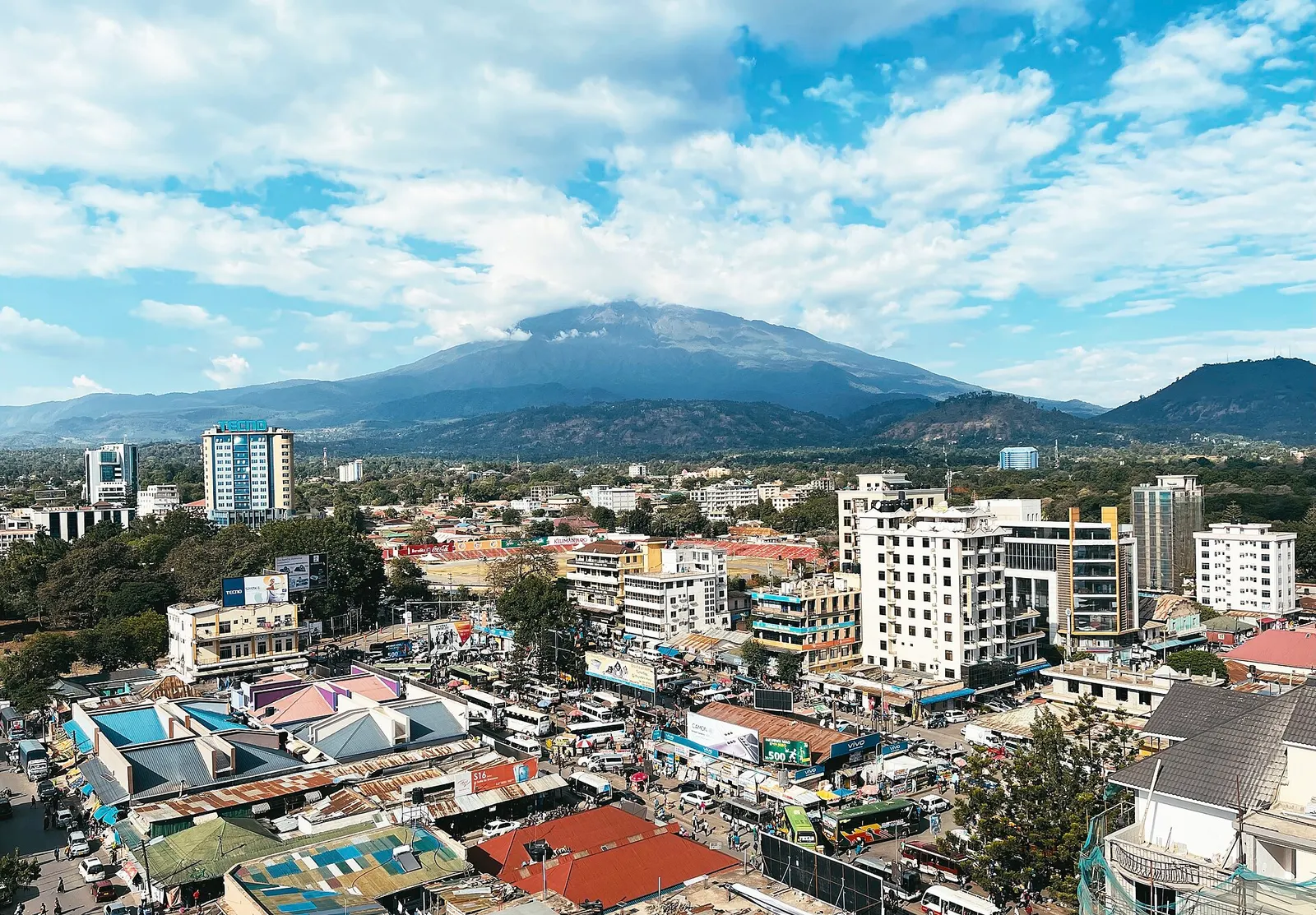
Tanzania Travel Essentials
Visas, entry rules, flights, airport transfers, health, payments and how to book a planning call: everything to arrange before you travel, in one place.
What you need before you travel
Seven things need arranging before a safari or a Kilimanjaro climb. Use the index above to jump to any of them, or read straight through. Rules and fees change, so we point you to the official source wherever it matters.
A planning timeline from first idea to the journey home
This planning timeline shows how to plan a Tanzania safari in a sensible order, from the first call to the day you return home. Dates are guides, not rules: a shorter trip can be arranged faster, while a Kilimanjaro booking timeline or a peak season safari rewards early decisions. Each step links to the section of this handbook that covers it in more detail. Work through the steps in order and note the dates in your own calendar, so that each deadline, especially the balance payment, is never a surprise. If your plans change at any point, tell us early and we will adjust the later steps with you.
- 9 to 12 months before
Book the call and choose a route
Start with a safari planning call to talk about when to book, which parks suit your interests and how many days you need. If you want the Great Migration, a peak season Kilimanjaro climb or a stay in a small camp, this is the time to ask, because the best accommodation fills first.
Go to section - 6 to 9 months before
Accept the proposal and pay the deposit
Review the written proposal, ask for any changes to the custom itinerary and accept it once it feels right. Accepting the proposal is when the 30% deposit is paid, which secures your dates and lets us reserve lodges, camps and guides.
Go to section - 4 to 6 months before
Arrange your visa and check entry rules
Check whether your nationality needs a Tanzania visa and apply well before departure if so, either online or on arrival where allowed. Make sure your passport has at least six months of validity and enough blank pages.
Go to section - 4 to 6 months before
Book international flights
Once the dates are confirmed in the proposal, book flights into Kilimanjaro International Airport or Dar es Salaam, and out from where your itinerary ends. Send us your flight details so that we can match transfers to your arrival and departure times.
Go to section - 3 to 4 months before
Vaccinations, insurance and preparation
Speak to a travel clinic about vaccinations and malaria prevention, and arrange travel insurance that covers medical evacuation and, for climbers, trekking at altitude. Begin your packing lists and, for Kilimanjaro, a regular hiking and fitness routine.
Go to section - 45 days before arrival
Pay the 70% balance
The 70% balance is due at least 45 days before you arrive. Deposit and balance together make up the full price in the proposal, and we confirm each payment in writing so that your records are complete.
Go to section - 2 to 4 weeks before
Confirm transfers and documents
We send final transfer details, pick-up times and contact numbers for your arrival. Check that your visa, passport, insurance and flight tickets are all in order, and keep digital copies on your phone.
Go to section - The final week, then after you return
Final checklist, arrival and departure
Work through the entry checklist, finish packing and confirm your arrival details with us. After you return, send us feedback and photos; we value both, and they help future travellers plan their own trips.
Go to section
Tanzania Tourist Visa Guide
Most visitors need a Tanzania tourist visa before they can enter the country, and the simplest route is usually the e-visa online application made through the official Tanzania Immigration Services portal. Some travellers can still get a visa on arrival at the main airports and certain land borders, and a smaller group of nationalities are visa exempt countries for short visits. This guide explains the options in plain English so that you know what to ask, what to prepare and where to check.
Rules, fees and processing practices change from time to time, so everything below is described as what is currently or commonly the case. Please confirm every detail on the official Tanzania Immigration Services website, with your nearest Tanzanian embassy or high commission, or with your airline before you apply or travel. The Expedition Tours is a tour operator, not an immigration agency, so we cannot issue visas or promise any outcome. We can, however, point you to the right official pages and help you plan your safari, Kilimanjaro climb or Zanzibar holiday around your entry dates.
Your main options at a glance
E-visa before you travel
You complete the Tanzania tourist visa application online, upload your documents, pay by card and receive an approval to print or save. Most travellers find this the calmest option because the paperwork is finished before the flight.
Visa on arrival
Visa on arrival is commonly offered at the main international airports and some land borders, but queues can be long and payment methods vary. Many airlines and officials now encourage online applications, so do not assume the arrival counter is your best plan.
Visa exempt countries
Citizens of a limited number of countries have been allowed to enter for short stays without a visa. The list can change, so check whether your passport is currently on it rather than relying on a friend or an old forum post.
Multiple entry visas
A single entry visa covers one entry into Tanzania. A multiple entry visa may suit travellers who plan to leave and come back, for example to visit Kenya or Uganda mid trip, and is usually priced differently.
Tourist visa basics: visa validity and 90 days, single entry and multiple entry
A standard single entry tourist visa is commonly valid for up to 90 days from the date you enter, although officers decide the period granted at the border and it may be shorter than the maximum. The visa validity and 90 days figure is a ceiling, not a promise, so plan your itinerary around the dates actually stamped in your passport or shown on your approval.
Single entry means that once you leave Tanzania, the visa is used. If you cross into Kenya for a day and plan to return, you will normally need a multiple entry visa or a new single entry visa, so decide this before you apply. Check the type carefully on the application form because correcting a wrong choice later can be slow.
- Single entry: one entry, then the visa is finished.
- Multiple entry: allows several entries within its validity, where it is offered for your nationality.
- Validity of a visa and length of stay are not always the same thing, so read your approval and the stamp in your passport.
- Never overstay: fines, delays and future entry problems can follow.
Visa fees by nationality (indicative only)
| Traveller | Commonly quoted fee | What to check |
|---|---|---|
| Most nationalities, single entry tourist visa | Commonly USD 50 | Confirm the current amount and your visa category on the official portal. |
| United States citizens | Commonly USD 100 | US citizens have commonly been charged a higher fee, sometimes linked to a multiple entry visa. Confirm the current rule. |
| Visa exempt countries | No visa fee for short visits, where applicable | Check your passport is on the current list and the length of stay allowed. |
| Children | Varies | Fees and rules for minors can differ, so check each child's category. |
| Business visa | Different fee | A business visa is a separate category with its own requirements. |
Fees are shown only as commonly quoted guidance and are never guaranteed. Always take the figure from the official Tanzania Immigration Services portal or your embassy on the day you apply.
How to apply for the e-visa step by step
1.Open the official portal
Type the web address of Tanzania Immigration Services yourself or follow a link from an official government page. Do not click advertisements or search results that merely look official.
2.Create an account and choose the visa type
Select a tourist visa and decide between single entry and multiple entry. Use the same name and details as in your passport, letter for letter.
3.Enter your passport and trip details
You will be asked for your passport number, dates of issue and expiry, planned arrival date, intended address in Tanzania and port of entry, such as Kilimanjaro International Airport.
4.Upload your documents
Commonly you upload a clear scan of your passport data page, a recent passport photograph and sometimes a return ticket or accommodation details. Keep file sizes small and images sharp.
5.Pay the visa fee
Payment is normally made online by card. Keep the receipt and application number until your trip is over.
6.Wait for the decision
Processing time varies by season and workload. Many people allow two to three weeks, and it is wise to apply well before you fly rather than days before.
7.Save and print your approval
Keep a printed copy and a digital copy on your phone. Check every detail of the approval against your passport and ask for a correction at once if something is wrong.
Documents needed for a Tanzania tourist visa
Applying at airports and land borders
Most safari and Kilimanjaro travellers arrive at Kilimanjaro International Airport, between Arusha and Moshi. Others use Julius Nyerere International Airport in Dar es Salaam or Abeid Amani Karume International Airport on Zanzibar. All three commonly handle visa and immigration checks, but queue times vary a lot with the number of arriving flights.
Land crossings are also used, especially by overland travellers from Kenya. Namanga is the usual crossing between Nairobi and Arusha, and Holili is used on the Moshi side near Taveta. There are other Kilimanjaro-Arusha border points in general, and opening hours, payment methods and procedures can differ, so confirm arrangements before relying on a particular post. Carry some US dollars in case a card machine is not working, and ask the officer for a receipt.
- Airports: expect immigration, possible biometrics and a customs check.
- Land borders: allow extra time, have documents ready and pay only official charges.
- Zanzibar entry: a Tanzanian visa generally covers the islands, but you may pass through immigration checks again when travelling between the mainland and Zanzibar, so keep your passport and approval handy.
Other kinds of visit and special situations
Business visas vs tourist visas
A tourist visa is for leisure. Meetings, conferences or commercial activity may need a business visa. If you are unsure which applies, ask the immigration authorities before you travel.
Working or volunteering rules
Paid work generally needs a work permit, and many volunteering placements need a specific permit or visa class. A tourist visa is not normally the right document, so confirm with your host organisation and the authorities.
Children and visas
Children usually need their own passport and visa or approval. Travelling with one parent, grandparents or a guardian may require extra proof of consent, so carry birth certificates and consent letters.
Cruise and transit passengers
Passengers on cruise ships and those changing planes may have different requirements. Check with the cruise line or airline whether you need a visa, a transit visa or a health certificate for your particular stop.
Visit Kenya, Uganda and Rwanda from Tanzania
Each country has its own entry rules and some travellers use a regional arrangement where it is available for their nationality. Check each country's official page before you book, and remember that a single entry Tanzanian visa may need replacing when you return.
Extending a visa and what to do if refused
If you need extending a visa, apply to the immigration office before the current permission ends, not afterwards. Offices exist in major towns, including Arusha, and you should expect to show your passport, a reason for the extension and possibly payment of a fee. Extensions are granted at the discretion of officers and are not guaranteed.
If your application is delayed or refused, stay calm. Read any message from the portal carefully, correct obvious errors such as a misspelt name or an unreadable scan, and contact the official helpdesk or your embassy. Do not buy non-refundable bookings until you have an approval. We can usually adjust the start of your safari if your entry date changes, but we cannot overturn a decision.
Common mistakes to avoid
| Mistake | Why it matters | Better approach |
|---|---|---|
| Name does not match passport | Approval may be refused or fixed only at a cost | Copy the passport data page exactly. |
| Choosing single entry, then leaving Tanzania | The visa is used when you exit | Pick multiple entry if you will re-enter. |
| Applying through an unofficial site | Extra fees and security risks | Start only from the official portal. |
| Applying too late | No time for questions or corrections | Apply weeks ahead where possible. |
| Passport near expiry | Boarding may be denied | Renew first if you have under six months left. |
Frequently asked questions
Tanzania Entry Checklist
A smooth arrival in Tanzania starts at home. Most delays at the airport come from small things: a passport with too few blank pages, a missing yellow fever certificate, a visa approval that was never printed or a bag that contains plastic carrier bags. This Tanzania entry checklist walks you through what to prepare before you fly, what happens step by step at Kilimanjaro International Airport, what customs rules to know and how departure works.
Entry rules and airport procedures are set by the Tanzanian authorities and can change, so this page describes what is currently or commonly the case. Please confirm requirements with the Tanzania Immigration Services portal, your embassy, your airline and a travel health clinic before you travel. The Expedition Tours is a tour operator and not an immigration or medical authority, so treat this as a practical planning aid and not as legal or medical advice.
Pre-arrival checklist: the essentials
Passport and visa
Your passport should commonly be valid for at least six months and have at least one blank page, though more is safer. Check whether you need a visa and apply through the official portal in good time.
Health papers
A yellow fever certificate may be required if you arrive from or transit through certain countries where yellow fever is present. Bring your vaccination records and discuss other vaccines with a doctor.
Insurance and tickets
Carry your travel insurance details, flight tickets and a return ticket or onward ticket. Immigration officers may ask to see proof that you plan to leave.
Accommodation and contacts
Have the name and address of your first hotel or lodge, plus emergency contacts at home and a local phone number if you have one.
Documents at a glance: why needed, when to arrange, common mistakes
| Document | Why it is needed | When to arrange | Common mistake |
|---|---|---|---|
| Passport | Identity and entry stamps | Check expiry months before booking | Under six months left or no blank page |
| Visa or e-visa approval | Permission to enter, where required | Weeks ahead | Using an unofficial website or leaving it unprinted |
| Yellow fever certificate | Proof of vaccination where required | Ideally several weeks ahead, as advised by a clinic | Forgetting it when transiting an affected country |
| Travel insurance | Medical and trip cover | Before paying for the trip | Not checking cover for safari or climbing activities |
| Return or onward ticket | Shows you will leave | At booking | Open dates that cannot be shown |
| Accommodation details | Immigration forms and questions | Before departure | Writing only 'safari' with no address |
| Prescription letter | Supports medicines in your hand luggage | Several weeks ahead | Carrying loose tablets with no labels |
| Emergency contacts | Quick help in a crisis | Before departure | Saving them only on a phone that may run out of battery |
This table is a guide only. Always check the current official requirements for your nationality and route.
Arrival procedure at Kilimanjaro International Airport
1.Leave the aircraft and follow the signs
Follow other passengers to the arrivals hall. Keep your passport, visa approval and pen ready in your hand luggage, not in a checked bag.
2.Health screening
You may be asked to complete a health form, show a yellow fever certificate if applicable or pass a temperature check. Procedures can change at short notice, so follow the instructions of the staff.
3.Immigration
Join the queue for your visa category. Present your passport and approval, answer the questions politely and wait for your stamp. If you need a visa on arrival, expect extra steps and payment.
4.Biometrics
Fingerprints and a photograph are commonly taken at the immigration desk. Remove glasses or a hat if asked.
5.Baggage claim
Collect your bags and check that they are intact. If anything is missing, report it to your airline before leaving the baggage hall.
6.Customs
Customs officers may scan or open bags. Declare anything that needs declaring, such as large sums of cash, and do not carry items that are restricted.
7.Meet your driver
Once through, look for your transfer representative holding a sign. If you have booked with us, we will confirm meeting details before you travel.
Customs rules and prohibited items
Tanzania has a long-standing plastic bags ban. Single-use plastic carrier bags have been banned from entering the country, so pack toiletries and shoes in cloth or reusable bags and remove duty-free plastic bags before landing. Zip-top toiletry bags are commonly tolerated, but rules can be applied strictly, so keep them minimal.
Other restrictions you should know about include the following. Check each against the official guidance for your travel date.
- Drones need permits. Bringing a drone without authorisation can lead to confiscation, and flying in national parks is regulated, so ask before packing one.
- Camouflage clothing is restricted. Military-style camouflage patterns may be refused or confiscated, so choose plain khaki, olive or neutral colours instead.
- E-cigarettes and vapes in general are subject to restrictions, and some may be prohibited. Check current rules before bringing one.
- Illegal drugs carry severe penalties. Do not carry any item for another person.
- Wildlife products, ivory, shells and coral should never be bought or exported.
- Weapons, ammunition and some radio equipment need advance permission.
Health requirements and vaccination certificates
The yellow fever certificate is the document most often asked for at the border. It is commonly required for travellers arriving from or transiting certain countries where yellow fever is present. Whether you need one depends on your route, not only your nationality, so check with your airline and a travel clinic.
For other health matters, such as malaria prevention, tetanus, hepatitis, typhoid and routine vaccines, speak to a doctor or travel nurse several weeks before departure. We cannot give medical advice, but we can tell you what the trip involves, for example altitude on Mount Kilimanjaro or hot days on safari.
- Keep vaccination records in a folder with your passport.
- Ask your clinic for the official yellow card, and check that your name matches your passport.
- Take any malaria tablets exactly as advised by your doctor.
Arrival documents, cards and immigration questions
Arrival forms
Some travellers are asked to complete an arrival card or health surveillance form, online or on paper. Have your flight number, passport number and address to hand.
Immigration questions you may be asked
Typical questions include the purpose of your visit, how long you will stay, where you are staying and whether you have a return ticket. Answer clearly and truthfully.
Proof of funds in general
Officers may occasionally ask how you will pay for your stay. A bank card or a booking confirmation is usually enough.
Arrival with children
Bring each child's passport, birth certificate and, where one parent is travelling alone or with other adults, a signed consent letter. Keep copies of both.
Zanzibar arrival
Arriving at Abeid Amani Karume International Airport may involve a health form and an immigration check even if you already have a Tanzania visa. Keep your approval and onward ticket within reach.
Travel with prescription medicines, photocopies and digital backups
Carry prescription medicines in your hand luggage in the original packaging with the pharmacy label. Bring a doctor's letter that names the medicine, the dose and the condition it treats, particularly for strong painkillers, injections, needles or controlled substances. Check the official rules for your specific medicines before travelling.
Make photocopies of your passport photo page, visa approval, insurance policy and tickets, and keep them apart from the originals. Save digital backups in email or secure cloud storage that you can reach if your phone is lost. Share a copy with someone at home.
Departure procedure and airport departure tax
On departure, arrive at the airport early, check in, pass security and then immigration, where your exit is recorded. Airport charges are commonly included in your ticket price, but confirm with your airline whether any departure tax must be paid separately at your airport.
Spend or exchange leftover Tanzanian shillings before leaving where possible, keep any receipts for large purchases and avoid carrying wildlife products or restricted souvenirs. Safari-goers should also check luggage weight limits for small aircraft.
Printable 20-item final checklist
Frequently asked questions
Flights to Tanzania: choosing the right airport and booking with confidence
Most international visitors reach Tanzania through one of three airports: Kilimanjaro International Airport (JRO) between Arusha and Moshi, Julius Nyerere International Airport (DAR) in Dar es Salaam, and Abeid Amani Karume International Airport (ZNZ) in Zanzibar. Choosing the right one is the single most useful flight decision you will make, because it shapes your transfer time, your first night and how smoothly your safari, Kilimanjaro climb or beach stay begins.
This guide explains flights to Tanzania in plain terms: which airport suits which trip, how travellers commonly route from the UK, USA, Canada, Europe, Australia, India, the Middle East and South Africa, when to book, and what to do about baggage, delays and changes. Airline routes, schedules and fares change often, so treat everything here as general guidance and always check current schedules before you pay. We never quote fares in this guide; we simply help you pick an arrival and departure plan that fits your itinerary.
The airports you are most likely to use
Kilimanjaro International Airport (JRO)
Located between Arusha and Moshi, JRO is the natural gateway for the northern safari circuit and for Kilimanjaro climbs. A road transfer to Arusha usually takes roughly one hour and to Moshi roughly 45 minutes. Flights to Kilimanjaro International Airport often arrive in the evening or overnight.
Julius Nyerere International Airport (DAR)
The main airport for Dar es Salaam, useful for the Selous region, Ruaha and Mikumi, and for connecting onward to Zanzibar by air or ferry. Flights to Dar es Salaam are often a good fit if your trip begins on the coast.
Abeid Amani Karume International Airport (ZNZ)
The gateway for the island. Flights to Zanzibar can be direct from some hubs or via Dar es Salaam, Nairobi or a Gulf hub, depending on the season. It is also a popular departure point after a safari.
Arusha Airport (ARK)
A small airport used mainly for domestic scheduled flights and light aircraft to the national parks. It is not normally an international gateway, but it is the usual starting point for bush flights.
Nairobi Jomo Kenyatta (NBO)
Some travellers fly into Nairobi because of fares or schedules, then continue by road or by a connecting flight. The road transfer to Arusha is long and crosses the Namanga border, so allow most of a day.
Mwanza (MWZ) and Kigoma (TKQ)
Mwanza serves the western Serengeti and Lake Victoria. Kigoma is the gateway to Gombe and Lake Tanganyika. Both are normally reached on domestic connections rather than direct long haul.
Your trip and the best airport
| Your trip | Best arrival airport | Why |
|---|---|---|
| Northern circuit safari (Tarangire, Manyara, Ngorongoro, Serengeti) | JRO | Closest airport to Arusha, the base for most northern safaris |
| Kilimanjaro climb | JRO | Roughly 45 minutes to Moshi, where many climbs begin |
| Safari then Zanzibar beach stay | JRO in, ZNZ out | An open-jaw ticket saves backtracking; fly onward to Zanzibar after your safari |
| Zanzibar only | ZNZ | Short transfer to Stone Town or the coast |
| Selous or Ruaha safari | DAR | Short domestic flight or road onward to the south |
| Gombe chimpanzees | Kigoma (TKQ), via Dar es Salaam or Arusha | Western Tanzania is best reached by a domestic connection |
| Fare-driven, flexible on time | NBO or DAR | Compare, but allow for the long Nairobi to Arusha road transfer |
Always confirm the final plan against your itinerary. Airport choice affects your transfer, so tell us your flight details as soon as you book.
Flights from your home region (general guidance)
There is no single correct routing, and airlines change what they offer from year to year. The notes below describe how travellers have commonly flown, with a hedge: check current schedules and fares yourself before you commit.
Flights from the UK commonly connect through hubs such as Amsterdam, Doha, Istanbul, Addis Ababa, Nairobi or Dubai, and the journey is usually a one-stop itinerary of roughly 10 to 14 hours in the air plus layover time. Flights from the USA and flights from Canada usually involve a connection in Europe, the Gulf or Addis Ababa, with a long total journey of around 20 hours or more door to door. Flights from Europe are typically shorter, often one stop through Amsterdam, Istanbul or a Gulf hub. Airlines have commonly served Tanzania from these hubs, though schedules vary by season.
Flights from Australia generally connect via the Gulf, Singapore or Johannesburg, and the total travel time is long, so many travellers plan an overnight stop. Flights from India and flights from the Middle East are comparatively short, with connections through Dubai, Doha, Addis Ababa or Nairobi common. Flights from South Africa usually connect via Johannesburg, and a direct or one-stop routing is often available depending on the season. Approximate flight times vary widely with routing and layovers, so use them only as a rough guide.
A simple booking timeline
1.Six to twelve months out
Agree your rough dates and the type of trip. If you plan to climb Kilimanjaro or travel in the peak seasons, secure your safari or climb first, then look at flights.
2.Four to eight months out
This is the best time to buy flights in general for long haul trips. Compare fares across several airlines and hubs, and note the fare rules on changes and refunds.
3.Two to three months out
Choose seats if possible, confirm your arrival airport with us and share your flight numbers so we can plan the airport transfer.
4.Two to four weeks out
Check your passport validity, visa requirements and health documents. Re-check your flight times, because schedules can shift.
5.Final week
Check in online where available, reconfirm your arrival time and keep our contact details and your driver's details accessible on your phone.
Open-jaw flights and connecting through Nairobi
An open-jaw ticket means arriving in one airport and departing from another. For example, you might fly into Kilimanjaro International Airport, finish with a beach stay and depart from Zanzibar. This avoids retracing your steps and can save a day. Compare the cost against a return ticket from a single airport, as open-jaw fares are sometimes higher and sometimes the same.
Connecting through Nairobi is a common choice because of the number of long haul services to Kenya. If your final ticket is to Nairobi, you can continue to Tanzania by a connecting flight or by a shuttle and road transfer through the Namanga border post. Allow most of a day for the road option, carry your passport and any visa documents, and check border opening hours and entry rules before you travel.
- A single ticket to Kilimanjaro avoids the border crossing.
- Separate tickets mean you carry the risk of missed connections, so leave generous time between flights.
- If you land in Nairobi late, an overnight stay there may be wiser than a night drive.
Before you book
Timing your flight around your safari or climb
Overnight arrivals are common at Kilimanjaro. Many flights land late in the evening or after midnight, which is fine if your hotel is booked from the night before. Tell us if you will land very late so your driver and your accommodation are ready, and consider arriving a day early before a Kilimanjaro climb so that a delayed bag or missed connection does not cost you your start date.
When travelling with a Kilimanjaro climb, build in a spare day at each end. Your departure should be at least a day after you expect to finish the descent, since weather or a slow summit day can shift timings. For a safari, a first night of rest in Arusha helps with jet lag, which is modest because Tanzania sits on East Africa Time (UTC+3), only a few hours ahead of the UK and Europe.
Baggage, bush flights and domestic connections
International baggage
Allowances vary by airline and fare, so check carry-on and checked rules for each leg. Pack medication, valuables and one change of clothes in your carry-on.
Bush flights
Small aircraft to the parks commonly limit baggage to around 15 kg in soft bags. Check your itinerary for the exact limit, and ask whether spare luggage can be stored in Arusha.
Domestic flights in Tanzania
Domestic flights link Arusha, Dar es Salaam, Zanzibar, Mwanza and Kigoma, and scheduled and charter options exist. See our domestic flights page for more detail on how these fit with your plan.
Kilimanjaro gear
Wear your hiking boots on the plane and keep key items in your carry-on in case your checked bag is delayed.
Travelling with children, loyalty miles and comfort
Travelling with children on long haul flights goes more smoothly with a daytime connection where possible, snacks, entertainment and a simple routine. Ask about child fares and infant rules when you book, and remember that car seats for the airport transfer can be requested in advance.
- Loyalty miles: if you collect miles with an airline group, check whether your routing earns them before you choose between hubs.
- Seat selection: window seats are useful for a first view of Kilimanjaro on clear days.
- Jet lag: a short walk in daylight on arrival and an early night usually help more than anything else.
Frequently asked questions
Airport transfers in Tanzania: what to expect from landing to your first night
A smooth airport transfer is the quiet start to every good trip. After a long flight, you want a friendly face with your name on a board, a clear plan for the road ahead and a comfortable bed at the end of it. This guide explains how airport transfers in Tanzania usually work: from Kilimanjaro International Airport to Arusha and Moshi, in Dar es Salaam and Zanzibar, and from Nairobi by road.
We arrange a driver to meet you, and the vehicle type is confirmed in your itinerary. Journey times below are typical estimates that depend on traffic, weather and road works, so treat them as a guide. We never quote prices on this page; your itinerary sets out what is included.
Typical transfer times
| Route | Approximate time | Notes |
|---|---|---|
| Kilimanjaro International Airport (JRO) to Arusha | Roughly 1 hour | Tarmac road; allow extra at night or in rain |
| JRO to Moshi | Roughly 45 minutes | Many Kilimanjaro climbs begin from the Moshi side |
| JRO to Arusha hotels outside the town | 1 to 1.5 hours | Depends on the hotel's location |
| Dar es Salaam airport (DAR) to city hotels | 30 minutes to 1.5 hours | Traffic varies greatly by time of day |
| Zanzibar airport (ZNZ) to Stone Town | Roughly 15 to 20 minutes | Short and straightforward |
| ZNZ to beach resorts | About 45 minutes to 2 hours | North and east coasts take longer |
| Dar es Salaam to Zanzibar by ferry | Roughly 2 hours at sea | Allow extra time for port formalities |
| Nairobi (NBO) to Arusha by road | Commonly 6 to 8 hours or more | Includes the Namanga border crossing |
These are estimates only. Your final timings are confirmed in your itinerary and may change with traffic and conditions.
What happens when you land
1.Before you travel
We ask for your flight number, arrival time and the name of your first hotel. Your driver's name and phone number are sent in advance, so you know who to look for.
2.Immigration and visa
Follow the signs for immigration. Have your passport, visa documents and accommodation address ready. Queues can take some time when several flights land together.
3.Baggage reclaim
Collect your bags and check them before leaving the hall. If a bag is missing, report it at the airline desk before exiting and note the reference number.
4.Meet and greet
Your driver will wait in the arrivals area with a name board showing your name or group. They will help with luggage and walk you to the vehicle.
5.The drive
Your driver will normally brief you on the route and the plan for the next day. Feel free to ask for a stop if you need one.
6.Check in
Your hotel is told your expected arrival time. If you land at night, check-in is usually arranged for late arrival.
Meet and greet, name board and flight monitoring
Meet and greet means a driver is waiting for you at the airport rather than leaving you to find a taxi. The name board makes it easy to spot your driver among the crowd. If you cannot see anyone, wait in the arrivals hall and call the number you were sent.
We monitor flights wherever possible, so a delay does not mean you are left waiting alone. Flight monitoring is not a guarantee, however, because information is sometimes slow to update, so tell us directly if your flight changes. For late arrivals and overnight arrivals, let us know in advance so your driver and hotel are prepared. If your flight lands in the small hours, an arrival-night booking from the night before avoids a stressful check-in.
Private transfer or shared shuttle
Private transfer
A vehicle and driver just for your party. Departure is when you are ready, you can stop on the way, and the vehicle type is confirmed in your itinerary. Ideal for families, groups and late arrivals.
Shared shuttle
Some routes, such as Arusha to Nairobi, have scheduled shared shuttles. They run on fixed times and may wait for other passengers, so they are less flexible than a private transfer.
Scheduled domestic flight
For longer journeys, such as Arusha to the Serengeti, a bush flight may replace a long drive. Baggage is commonly limited to around 15 kg in soft bags, so check your itinerary.
Ferry
The ferry from Dar es Salaam to Zanzibar is popular and quick. Book ahead in busy periods and keep your passport with you.
Dar es Salaam and Zanzibar transfers
Dar es Salaam transfers depend heavily on traffic. The airport is close to the city centre, but congestion at rush hour can double the time. If you are catching a ferry to Zanzibar, plan to arrive at the port well ahead of departure and keep your tickets and passport handy.
Zanzibar airport transfers are generally short to Stone Town, and longer to resorts on the north and east coasts. Roads on the island are mixed, so allow extra time after rain. Tell us your hotel name in advance so your driver knows the exact address, since several beach areas have similar names.
Nairobi to Arusha: shuttle and road transfer
Some travellers land in Nairobi (Jomo Kenyatta International Airport) and continue to Arusha by road. The route crosses the Namanga border post, where you complete exit and entry formalities. Plan for a long day, carry your passport and visa documents, and check border hours before you set off.
A private road transfer is more flexible than a shared shuttle because it can wait during border formalities and make comfort stops. Note that both Kenyan and Tanzanian officials may check documents, and queues vary. If your flight reaches Nairobi late, an overnight stay there is often wiser than a night drive.
Arrival day checklist
Luggage, car seats, roads and safety
Luggage is loaded by your driver, and vehicles are planned around your party size, so tell us if you have extra bags such as camera cases, golf clubs or Kilimanjaro duffel bags. Car seats for children can be requested ahead of time, which is much easier than trying to arrange one on arrival.
Road conditions are generally good on the main route from the airport to Arusha, though you may meet speed bumps, livestock, pedestrians and slow lorries. Night driving needs extra care. Wear seatbelts, keep valuables out of sight and keep your phone with you rather than in the boot.
- Keep your passport and valuables in your carry-on.
- Confirm your hotel name before you leave the airport.
- Tipping in general is appreciated but never obligatory; ask us for current guidance on what is customary.
Your first night and the start of your safari or climb
Accommodation on arrival night is strongly recommended for most itineraries. A night in Arusha or Moshi lets you rest, repack and meet your guide for a briefing before your safari or Kilimanjaro climb begins. If your flight lands very late, the first night may be short, so we plan the next morning with a gentle start.
On the morning of your safari or climb, your driver or guide collects you from the hotel at the agreed time. For a Kilimanjaro climb, this might be a drive to the gate on the mountain. For a safari, it may be the first leg towards Tarangire, Lake Manyara or the Serengeti.
Departure day and return transfers
1.Confirm the pick-up time
The evening before, we confirm when your driver will collect you, based on your flight time. International flights usually need arrival at the airport about three hours ahead.
2.Allow for the road
Leave extra time for traffic, especially for Dar es Salaam or the road from Arusha to JRO.
3.Check out and pack
Settle your hotel bill, keep your passport and tickets in your hand luggage and check your room for chargers.
4.At the airport
Your driver will help with bags and point you to check-in. Keep a little time in hand for security and immigration.
Frequently asked questions
Preparing for Tanzania: health, money, packing and etiquette
A good trip to Tanzania starts weeks before you reach Kilimanjaro International Airport. This section covers the practical preparation that travellers on a safari, a Kilimanjaro climb or a Zanzibar beach stay ask about most: vaccinations for Tanzania, malaria prevention, travel insurance for safari and Kilimanjaro, money and currency, power adaptors, SIM cards and eSIM options, what to pack for safari, cultural etiquette and responsible travel.
Rules and medical advice change, so treat everything here as a starting point rather than a final answer. Check official government travel advice for your country, speak to your own doctor or a travel clinic, and confirm entry requirements close to departure. If you are unsure about anything, ask us and we will point you in the right direction.
Health first: talk to a travel clinic early
Book an appointment with your doctor or a travel clinic, ideally 6 to 8 weeks before departure. Some vaccinations need more than one dose, and some medicines need to be started before you travel. A clinician who knows your medical history is the right person to decide what suits you; we cannot give medical advice and nothing here replaces it.
Ask about routine vaccinations to be up to date, such as tetanus, diphtheria, polio, and measles, mumps and rubella. Travellers to Tanzania also commonly discuss hepatitis A and typhoid, and depending on your plans and circumstances, other vaccines may come up in the conversation. Bring your itinerary so the clinic can see whether you are visiting Arusha, the northern safari circuit, the southern parks, Mount Kilimanjaro or Zanzibar.
- Take a printed list of the places you will visit and the dates.
- Mention any existing conditions, allergies and regular medications.
- Ask whether you will need to carry a letter for prescription medicines.
- Keep a copy of your vaccination record with your travel documents.
Staying healthy on the ground
Malaria prevention
Malaria is present in parts of Tanzania. Discuss malaria prevention in Tanzania with a doctor, who can advise on tablets and whether they suit you. Alongside any medication, use insect repellent, cover arms and legs at dusk and sleep under a mosquito net where one is provided.
Food and water safety
Drink bottled water or properly treated water, avoid ice of unknown origin and choose food that is freshly cooked and served hot. Peel fruit yourself and wash your hands often. Lodges and camps usually provide safe drinking water, and we encourage refilling a reusable water bottle to cut plastic.
Sun protection
The sun is strong close to the equator, especially at altitude and on the coast. Pack a wide-brimmed hat, sunglasses, a high-factor sunscreen and lip balm with SPF, and reapply often. A lightweight long-sleeved shirt is more comfortable than lotion on a long game drive.
Insects and repellents
Mosquitoes are most active around dusk and dawn, and tsetse flies can bother you in some woodland areas. Use an insect repellent your doctor or pharmacist recommends, and wear neutral colours. Tsetse flies are drawn to dark blue and black, so lighter khaki and olive are sensible choices.
Health checks before Kilimanjaro
If you plan to climb Mount Kilimanjaro, tell your doctor your route and that the summit, Uhuru Peak, is 5,895 m. Ask for a health check that covers your heart, lungs, blood pressure and any medication you take. Altitude sickness basics are worth learning: headache, nausea, dizziness and poor sleep can be early signs, and a slow pace, steady hydration and honest reporting to your guide are the foundation of a safe climb.
Ask your doctor whether medication for altitude is appropriate for you; do not take anything without advice. Fitness matters too. Build up with regular hikes, stair climbing or hill walking for several months, ideally with a loaded daypack and the boots you will wear on the mountain. Our Kilimanjaro guide explains routes, pacing and acclimatisation in more detail.
Preparation timeline
| When | What to do |
|---|---|
| 3 months before | Check passport validity, apply for any visa, start a fitness plan, begin hiking in your boots, and arrange travel insurance. |
| 6 weeks before | See your doctor or travel clinic about vaccinations and malaria prevention, and order prescription medicines and a first aid kit. |
| 2 weeks before | Confirm flights, notify your bank of travel dates, download offline maps, and begin packing using the packing guide. |
| 1 week before | Weigh your luggage, copy documents, buy US dollars in small notes, and check the weather forecast for Arusha and your parks. |
| 48 hours before | Check in online, charge devices, pack medicines in hand luggage, and keep your insurance details and our contact number to hand. |
Timings are a guide. Some vaccinations and visas need longer, so start early.
Twelve-point before you fly checklist
Travel insurance for safari and Kilimanjaro
Take out comprehensive travel insurance when you book, so that cancellation cover applies from the start. A sensible policy covers emergency medical treatment, medical evacuation and repatriation, cancellation and curtailment, and lost baggage. Remote parks can be hours from a hospital, so evacuation cover matters.
If you are climbing, read the small print. Your policy must cover trekking up to 5,895 m, because many standard policies stop at a lower altitude. Check any exclusions for pre-existing conditions and keep your policy number and emergency phone line somewhere easy to find.
- Medical cover with evacuation by air where necessary
- Cancellation and curtailment cover
- Cover for baggage, passports and equipment
- Altitude cover to 5,895 m for Kilimanjaro
- Cover for any adventure activities you plan, such as hot air balloon flights or diving
Money, cards and connectivity
Money and currency
The local currency is the Tanzanian shilling (TZS). US dollars are widely used in tourism for park fees, lodges and some purchases, though everyday spending is easier in shillings. US dollar notes commonly need to be recent and undamaged, so bring clean, newer notes in small denominations. Exact rules vary, so ask us before you go.
ATMs and cards
ATMs are found in towns such as Arusha, Moshi and Stone Town, but not in the parks. Card acceptance varies, with fees possible, and connections can fail. Carry some small cash as a backup and tell your bank you are travelling to avoid blocked cards.
SIM cards and eSIM
You can buy a local SIM card in towns with your passport, or use an eSIM if your phone supports it. Mobile data coverage is good in towns and patchy in remote parks and on the mountain. Many lodges offer wifi, but internet speeds can be slow.
Power adaptors
Tanzania generally uses 230 V with Type D and G plugs, so bring an adaptor. Check your device voltage before plugging in. Camps may charge in the main area only, so a power bank is useful.
What to pack for safari and Kilimanjaro
Pack light and in layers. For what to pack for safari, choose neutral clothing colours such as khaki, olive and beige, avoiding bright colours, and pack long sleeves for sun and insects, a warm layer for cool early mornings, a hat, sturdy walking shoes and sunglasses. Light aircraft flights often have strict luggage limits, so use soft bags rather than hard suitcases; they fit better in vehicles and small aeroplane holds.
Packing for Kilimanjaro is different: you will need a layered system from base layers to a down jacket, waterproofs, broken-in boots, gloves, a warm hat and a headtorch. See our packing guide and our Kilimanjaro guide for detailed lists, and do not buy new boots just before you fly.
- Binoculars and a camera with spare batteries
- A reusable water bottle
- Any prescribed medicines in hand luggage
- Basic first aid kit contents: plasters, antiseptic wipes, rehydration salts, pain relief, antihistamines, blister care and any items your doctor recommends
- Plastic bags are banned in national parks, so use cloth or reusable bags
Culture, safety and responsible travel
Tanzanians are welcoming, and a few courtesies go a long way. Greet people before asking a question; a simple jambo or hujambo is appreciated. Swahili and English are the main languages used in tourism, and learning a few phrases is always welcome. Dress modestly in towns and villages, with shoulders and knees covered, and respect local customs.
On Zanzibar, which is predominantly Muslim, cultural etiquette matters more still. Cover up away from the beach, avoid swimwear in Stone Town, respect prayer times and take care during Ramadan with eating, drinking and public displays of affection. Ask permission before photographing people, avoid photographing government buildings and officials, and never pay for a photo without agreeing a price first. Drones need permits, so leave yours at home unless you have arranged permission.
For safety tips, use common sense: keep valuables out of sight, avoid walking alone at night in towns, use reputable transport and keep copies of documents. Responsible and ethical travel means choosing operators who respect wildlife and communities, keeping distance from animals, taking all litter out, avoiding single-use plastic, buying local crafts fairly and supporting community projects. Tipping customs are generally appreciated for guides, drivers and camp staff; we explain this in the payments section without fixed amounts.
Your final week, step by step
1.Confirm documents
Check your passport, visa, flights, insurance and any certificates, and store digital copies offline.
2.Settle money
Collect small US dollar notes, notify your bank and make sure your payments are complete.
3.Pack and weigh
Use soft bags, layer clothing and keep essentials in hand luggage.
4.Health check
Start any medication exactly as your doctor advised and pack your first aid kit.
5.Share your plans
Send us your flight details so we can meet you at the airport, and tell family how to reach you.
Frequently asked questions
How to pay for your Tanzania safari: deposits, balances and refunds
Knowing how to pay for a safari, and when, removes a lot of worry from planning. This section explains our booking deposit, the final balance, accepted payment methods, how to pay safely, what a quote includes and excludes, how cancellations and refunds work in general, and how to budget for extras such as tips, visas and drinks.
Everything here summarises our working policy in plain language. The full conditions are set out in our Booking Terms, which you should read before you pay. Where anything in your written proposal differs, your proposal and our Booking Terms are the reference. If you have a question, ask us before sending any money.
The payment schedule at a glance
30% booking deposit
When you accept your proposal, we ask for a 30% deposit. This secures your booking and allows us to reserve camps, lodges, vehicles, flights and permits for your dates.
70% final balance
The remaining 70% is due at least 45 days before arrival. We send a reminder and a written invoice so you know the exact amount and the due date.
Late bookings
If you book within 45 days of arrival, the trip is paid in full at confirmation, because suppliers need payment quickly and space may be limited.
Currency
Prices and payments are in US dollars, which is the standard currency for safari, Kilimanjaro and Zanzibar pricing.
Payment timeline
| Stage | What happens | What you pay |
|---|---|---|
| Proposal sent | We send a written, itemised proposal with the price in US dollars. | Nothing yet |
| Proposal accepted | You confirm in writing and we send an invoice. | 30% deposit |
| At least 45 days before arrival | We send a balance invoice and reminder. | 70% final balance |
| Booking within 45 days | We confirm availability and send one invoice. | Full payment at confirmation |
| Arrival | We meet you and go through the itinerary again. | Personal extras, tips and drinks |
Dates and amounts are always stated in your invoice. If anything looks unclear, ask us.
Why we ask for a deposit
A booking deposit is not simply a fee; it is what lets us commit to suppliers on your behalf. Deposits secure camps, lodges, vehicles, flights and permits, many of which have their own payment and cancellation deadlines. In the high season, popular camps in the Serengeti, Ngorongoro Crater and Tarangire can sell out months ahead, so a prompt deposit protects your dates.
The final balance covers the remainder of those arrangements. Paying it by the due date means everything is confirmed before you travel, and you can concentrate on preparing rather than worrying about payments.
Payment methods
1.International bank transfer
The most common method for the deposit and balance. We send our bank details with the invoice. Always confirm details with us directly before sending money, because of fraud.
2.Card payment through a secure payment link
We can send a secure payment link. A processing surcharge may apply, and we will state it before you pay, so you can decide whether card payment suits you.
3.Mobile money for small local costs
For small costs inside Tanzania, such as a local purchase or a small extra, mobile money can be convenient. It is not intended for the main trip payments.
4.Written confirmation
After each payment, we confirm receipt in writing, and you should keep your transfer confirmation until the trip is over.
Cancellations and refunds in general
| Time before arrival | What happens to your payments |
|---|---|
| 60 days or more | Refund of payments less a 5% administrative fee and non-recoverable costs |
| 59 to 30 days | Deposit kept |
| Under 30 days | Full price retained |
This is a general summary. The full cancellation policy is in our Booking Terms, and travel insurance can help protect you against costs you cannot recover.
What a quote normally includes and excludes
Currency conversion, exchange rates and bank fees
Our prices are in US dollars. If your bank account is in another currency, the exchange rate on the day of your transfer decides what you actually pay, so check rates before you send and consider asking your bank for a fixed rate. Banks often charge bank fees for international transfers, and sometimes an intermediary bank charges too. You are responsible for ensuring the full invoiced amount arrives, so ask your bank whether you can cover all fees from your side.
For foreign exchange tips, compare your bank with a specialist transfer service, avoid exchanging cash at airports where rates are poor, and keep proof of the exchange rate. If you use a card, your card issuer may add a foreign transaction fee, so check your terms.
Budgeting for tips and extras
Tipping budget
Tips for guides, drivers, cooks and camp staff are customary and appreciated but not included in the price. Set aside a tipping budget in small US dollar notes. We will share general guidance on tipping customs before you travel.
Park fees
Park fees are a major part of the cost of a safari. Your proposal will tell you whether they are included, so you can compare quotes fairly.
Extras
Budget for drinks, souvenirs, laundry, optional activities, visas and airport transfers if not included. A small cash reserve avoids stress.
Price transparency
We aim to show clearly what is included and what is not, in writing. If a line item is unclear, ask for an explanation before you pay.
Insurance, group bookings and special arrangements
Buy travel insurance soon after you pay your deposit. It should cover cancellation, medical costs and evacuation, and for a Kilimanjaro climb it must cover trekking to 5,895 m. Insurance protects you where our refund terms cannot, for example if illness stops you from travelling.
For group bookings, tell us at the start who is paying. We can invoice one lead booker or issue separate invoices, but each person's payment must be clear, and a group deposit is due on acceptance like any other. If someone drops out, the cancellation terms in our Booking Terms still apply to the booking, so agree among yourselves how to share any cost.
Payment plans are sometimes asked about. Any arrangement different from the standard schedule must be agreed in writing before it takes effect; we cannot promise it, and nothing is agreed unless confirmed in writing.
What happens if a payment is late
If the balance has not arrived by the due date, we will contact you quickly. We may be unable to hold your camps, lodges or flights, and if the delay continues we may have to treat the booking as cancelled under our Booking Terms. If you expect a delay, tell us early so we can see what is possible. Receipts and written confirmations are issued for every payment, and you should keep invoices and receipts together with your itinerary, along with your payment timeline.
Frequently asked questions
Book a safari consultation before you commit to anything
A safari planning call is the quickest way to turn a loose idea into a workable trip. In about 20 minutes you speak to a safari planner at The Expedition Tours in Arusha, ask your questions in real time and hear honest advice on seasons, routes and budgets. It is a free consultation, and there is no obligation to book anything afterwards.
Our planning team uses the call to understand how you like to travel, so that the custom itinerary we send you afterwards fits your dates, your group and your pace. Whether you are weighing a first Tanzania safari, a Kilimanjaro planning call or a Zanzibar beach extension, this section explains what to expect and how to prepare.
Why a call helps
Reading about Tanzania is useful, but how to plan a Tanzania trip is a different question for every traveller. The right park depends on the month, the length of your stay, how much driving you will accept and what you most want to see. A conversation settles these points faster than a long email thread.
A call also lets you judge us. You can hear how we answer, what we recommend against, and whether the tailor-made safari we describe sounds like the trip you want. That is a fair thing to expect before you share dates or pay a deposit.
- Compare seasons and parks against your actual travel dates
- Hear trade-offs openly, including where a route is too rushed
- Get a rough sense of cost before a formal safari quote
- Decide whether Kilimanjaro, a safari, Zanzibar or a combination suits you
Request your planning call
Before, during and after the call
1.Before the call
Send your preferred time and format through the request form on this page, or message us on WhatsApp. We confirm a slot in East Africa Time and in your own time zone so nothing is misread.
2.During the call
We spend about 20 minutes on your plans. We listen first, then suggest routes, seasons and accommodation styles, and answer your questions to ask a safari operator, such as park fees, vehicle sharing and group size.
3.Straight after the call
We send a short written summary of what we discussed, so that you are not relying on memory or scribbled notes.
4.Within a few days
We prepare a written proposal with a day-by-day plan, what is included and excluded, and a total price. You can take as long as you need to read it and compare.
What to have ready
Choose a call format
Video call
A video call lets us share a screen, look at a map of the circuit together and show lodge or camp layouts while we talk.
Voice call
A standard voice call uses very little data and works well if your patchy connection is unreliable or you are travelling.
WhatsApp call
A WhatsApp call to +255 682 044 971 needs no link or software beyond the app you already use, and we can share photos and documents in the same chat.
Time zones against East Africa Time
| Place | Offset from UTC | Difference from East Africa Time | Example: 15:00 in Arusha is |
|---|---|---|---|
| Arusha (East Africa Time) | UTC+3, no daylight saving | Same time | 15:00 |
| London | UTC+0 (UTC+1 in summer) | 3 hours behind (2 in summer) | 12:00 (13:00 in summer) |
| Paris or Berlin | UTC+1 (UTC+2 in summer) | 2 hours behind (1 in summer) | 13:00 (14:00 in summer) |
| New York | UTC-5 (UTC-4 in summer) | 8 hours behind (7 in summer) | 07:00 (08:00 in summer) |
| Los Angeles | UTC-8 (UTC-7 in summer) | 11 hours behind (10 in summer) | 04:00 (05:00 in summer) |
| Dubai | UTC+4, no daylight saving | 1 hour ahead | 16:00 |
| Mumbai | UTC+5:30, no daylight saving | 2.5 hours ahead | 17:30 |
| Singapore | UTC+8, no daylight saving | 5 hours ahead | 20:00 |
| Sydney | UTC+10 (UTC+11 in southern summer) | 7 hours ahead (8 in southern summer) | 22:00 (23:00 in southern summer) |
Offsets are approximate. Tanzania does not change its clocks, but most of Europe and North America do, and the dates differ between regions, so the gap can shift by an hour for a few weeks each spring and autumn. Always confirm the time in your own city.
Best times to call from different regions
These are general suggestions rather than fixed rules, and we will work around you. Our working day in Arusha usually suits an early morning call in Europe, which is mid morning to lunchtime in East Africa. Travellers in the United States often find an early morning call, before work, lines up with our afternoon or early evening.
From the Gulf, India and Singapore, an afternoon or evening call in your own time is normally fine. From Australia, an evening call at home matches our morning. If you are unsure, suggest two or three options and we will pick the one that works.
Prepare your questions
Good questions make a short call far more useful. These questions to ask a safari operator are worth raising with us, and with anyone else you are comparing.
- What exactly is included in the price, and what is not?
- How many people share a safari vehicle, and is a window seat guaranteed?
- What are the park fees, and are they inside the quote?
- How does the payment schedule work, and what happens if plans change?
- What is the realistic season for what I most want to see?
- How will you look after us if someone is unwell on the trip?
Calls for groups, climbers and families
Group planning calls
For friends, extended families or clubs, one call with the organiser is best. We can talk about rooming, pacing, how to split costs and how to manage different budgets within one group.
Kilimanjaro planning call
We discuss route choice, number of days, acclimatisation, your fitness and the time of year. We would rather help you choose a longer, safer route than sell the shortest one.
Family safari calls
Tell us your child ages. We can talk through realistic driving hours, lodge facilities, minimum ages at some camps and how to keep younger travellers interested.
What you receive afterwards, and your privacy
After the call you receive a written proposal covering the route, accommodation, transfers, activities, inclusions, exclusions and the total price. It forms the basis for any custom itinerary changes, and we are happy to revise the proposal more than once.
What you tell us on the call, including health or mobility details, is used only to plan your trip. Please read our Privacy Policy for how we handle personal information, and tell us if you would rather not share something by message.
Prefer not to call?
You can reach us on WhatsApp at +255 682 044 971 or by email at info@theexpeditiontourstz.com, or start with the trip planner on this site and tell us what you have in mind. Many travellers begin in writing and book a call later, and either route is fine.