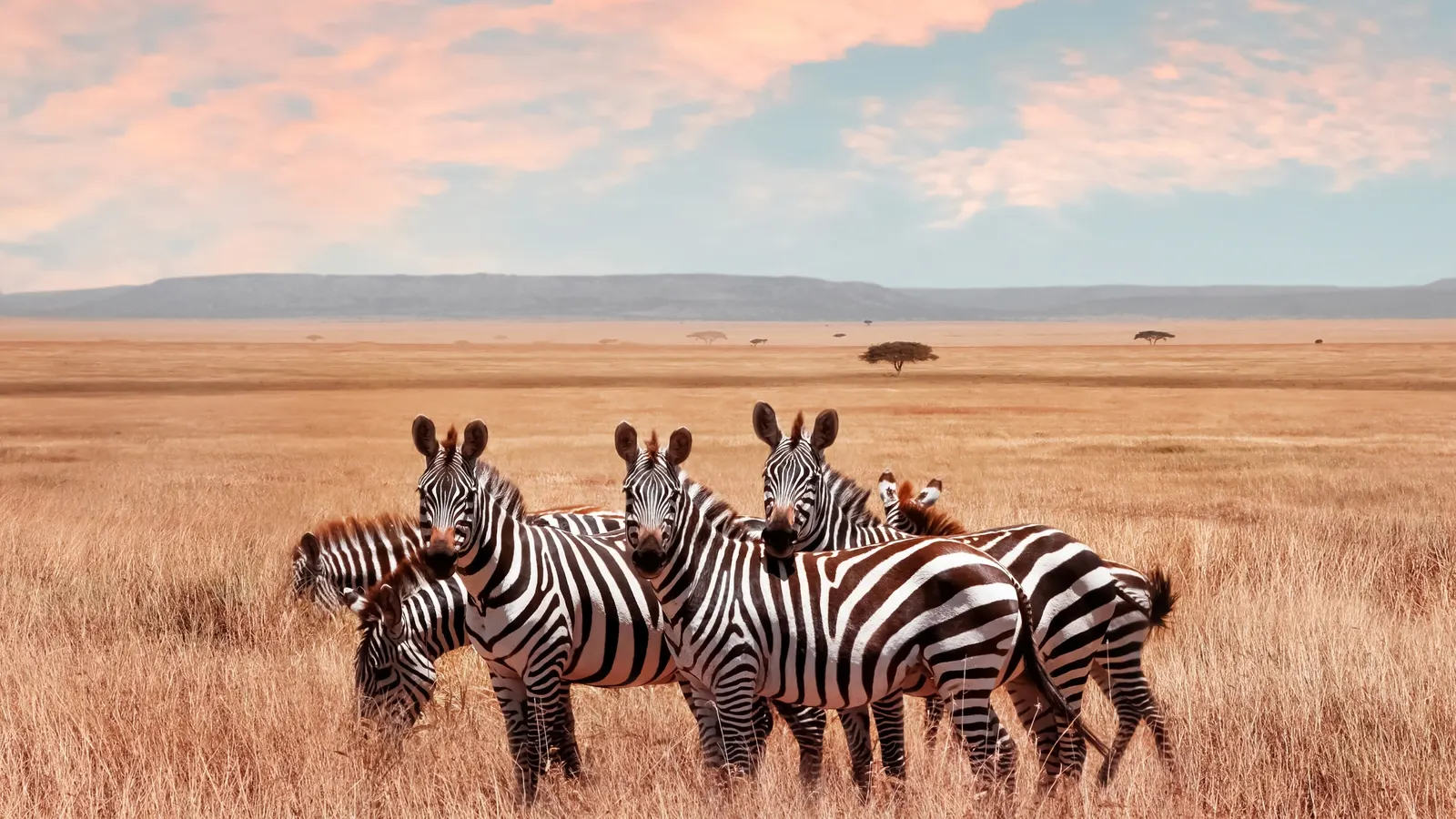
Few scenes in East Africa draw as much attention as the Mara River crossings. Tens of thousands of wildebeest and zebra gather on a high bank, hesitate, and sometimes pour down into brown water that holds Nile crocodiles. In Tanzania this happens in the northern Serengeti, in the quiet, remote country around Kogatende, usually between about July and October.
This guide explains how a river crossing builds, why the herds do it, how long you may have to wait, and how to behave while you watch. It also covers the northern Serengeti landscape, how Tanzania differs from Kenya, and what to bring. One honest point first: crossings cannot be guaranteed, and the timing of the Great Migration varies from year to year.
Why the herds cross the river
The Great Migration is a continuous, circular movement of more than a million wildebeest, along with hundreds of thousands of zebra and gazelle, following the rains and the fresh grass. After the calving season in the south, the herds move west and north as the plains dry. By mid year they are heading toward the northern Serengeti and the Maasai Mara, where rain usually falls later and the grass stays green for longer.
The Mara River stands in the way. It runs from the Kenyan highlands through the Maasai Mara and the northern Serengeti, and the herds cross it more than once, in both directions, as they follow the grazing. They do not cross for drama. They cross because the better grass lies on the far bank, and because the whole herd's instinct pulls it onward.
There is no single date. The wildebeest migration timing depends on the rains, the state of the grass and the movement of the leading groups. Some years the first crossings come in late June or July, and in others the herds linger south or west until later. The Mara River crossing best time is usually described as July to October, with August and September often the most active, but there are no guarantees.
The dangers: crocodiles, banks and current
A crossing is genuinely risky for the animals. Large Nile crocodiles wait in the river, and they can take a wildebeest in seconds. Hippo lie in the deeper pools, and although they do not hunt wildebeest, they can be aggressive and are dangerous in the water. The banks are often steep, rutted and slippery, and a narrow exit point can cause a pile-up.
The current matters too. After rain upstream the river can be fast and brown, and animals that mistime a jump or lose their footing can drown or be swept down. Calves and weaker animals are especially vulnerable, and some animals are trampled in the crush. It can be hard to watch, and it is a natural part of the cycle rather than a failing.
Crocodiles, though, do not eat every crossing. Many animals reach the far bank unharmed, and in good conditions most of a herd may cross with only a few losses. The scenes of carcasses along the banks also feed vultures, marabou storks, hyena and crocodiles for weeks, supporting the wider ecosystem.
How a crossing builds
A river crossing is rarely sudden. The herds usually gather in large numbers along the bank, first strung out in long lines and later bunching in dense groups. You may see them grazing, walking to the edge, then turning back. This hesitation can go on for hours, and sometimes for days, with many false starts.
The trigger is often hard to predict. Often a single determined animal, or a dominant group, steps forward and the rest follow in a rush, with dust rising and the sound of thousands of hooves. Sometimes a crossing starts and then stops when a few animals turn, causing a wave of retreat. Zebra, with their sharper sense of danger, can be the first to commit or the first to hold the herd back.
Guides watch for signs: the density of animals at the bank, their behaviour, the wind, the position of crocodiles and the movement of the leading groups. Even so, a guide cannot promise the moment. A crossing can last a few minutes or several hours, and sometimes the herds decide against it and wander off along the bank to try another site.
How long you may wait
Plan for waiting. On a good day you might arrive and see a crossing within an hour. On another you may sit for half a day, and on another nothing at all happens. For that reason, many travellers spend two or three days around the river, giving themselves several chances at different viewpoints.
Patience is the real skill of this season. Bring a book, a snack and a flask, and be ready to enjoy the quiet moments. Birds, hippo, crocodiles and the herds themselves provide plenty of interest while you wait. The people who enjoy the river most are usually those who accept that the animals decide the schedule.
A packed lunch is a common strategy. Rather than returning to camp at midday and risking missing a crossing, many groups stay near the river through the afternoon. This is also sensible because crossings tend to start when the heat has built and the herds are thirsty, though that is a tendency and not a rule.
Viewpoints, etiquette and ethics
The river has several well-known crossing points, and the northern Serengeti has designated viewpoints and tracks near them. Your guide will choose where to park based on the wind, the light and the position of the herds. Vehicles line up along the bank at a distance, which keeps the animals calm and the view fair for everyone.
Good etiquette protects the animals and the experience. Keep your distance, never drive towards the herds or into the river approach, and never try to push the herds to cross. Turn off the engine when asked, stay seated, keep your voice low and do not throw anything. If a vehicle blocks the herds, they may refuse to cross at all, which is a good reason to follow the guide's advice and the park rules.
There is an ethical side to watching too. Responsible operators do not chase crossings, feed or disturb animals, or drive off the tracks. Where a crossing fails because of vehicles crowding the bank, everyone loses. Please resist the temptation to move closer for a better angle, and be patient with fellow travellers.
Tanzania and Kenya: same river, different park
The Mara River flows through both countries, and the migration crosses it in both. On the Kenyan side, it is the Maasai Mara National Reserve. On the Tanzanian side, it is the Serengeti National Park. The herds are the same herds, but the experience differs.
The Maasai Mara is smaller and generally busier, with more vehicles at popular crossing points. The northern Serengeti is larger and remote, with fewer lodges and fewer vehicles, so it often feels wilder and quieter. Park rules, fees and access differ between the two countries, and the herds move back and forth across the border, which means a crossing could be in either place on any given day.
If you are comparing, choose on the style of safari that suits you. Some people prefer the compact Maasai Mara and its Kenyan culture and conservancies, and others value the space of the Serengeti. Both can be superb, and neither can promise a crossing on a given day.
The northern Serengeti landscape
The northern Serengeti is hilly, wooded grassland, rather different from the open southern plains. Granite outcrops known as kopjes rise from the grass, rolling hills are dotted with acacia and commiphora, and the Mara River winds through gallery forest. The area around Kogatende, the Lamai Wedge and the Bologonja region feels remote, and it is far from the busy tracks of the central Serengeti.
The Lamai Wedge is the triangle of land between the Mara River and the Kenyan border, and it is known for wildlife throughout the year. Bologonja lies near the border to the east and is quieter still. The roads are mostly dirt tracks that can be bumpy and dusty, so a good vehicle and an experienced driver guide are important.
The terrain can be dry and dusty from July to October. Grass is yellow, the sky is clear and the air is warm in the day and cool at night. This is the dry season, which makes game drives easier and mosquitoes fewer, though dust becomes part of the daily life of every traveller.
Wildlife beyond wildebeest and zebra
The northern Serengeti is more than a river show. Lion prides follow the herds and ambush animals at the banks. Leopard hide in the trees along the river and in rocky kopjes, and giraffe browse on acacia in the open woodland. Elephant move through the area in small family groups, and buffalo, topi, eland, Thomson's gazelle and impala are common.
Hippo fill the river pools and sometimes leave the water to graze at night. Nile crocodiles bask on the banks in large numbers. Birdlife is rich too, with raptors, storks, vultures and kingfishers along the river, and species such as the grey crowned crane and the secretary bird in the grassland.
A good safari does not focus only on the crossing. When the herds are quiet, the guide can take you to look for predators, birds or the landscape. Many of the most memorable sightings in this area happen on the way to the river.
Getting there: flying or driving
There are two broad ways to reach the northern Serengeti. One is to fly from Arusha or another airstrip to a small airstrip in the north, which saves a long day of driving and gives you more time on the ground. The other is an overland safari by road, which is slower, passes through other parks and the Ngorongoro area, and lets you see more of Tanzania on the way.
A fly-in safari suits travellers with less time or those who dislike long drives, and a road journey suits those who enjoy the scenery and want to combine regions. The distances are large, and rough roads add time, so ask for a realistic schedule. A common structure is to fly in, spend a few nights in the north, and then continue south by road or air.
What to bring
Dust is the first thing to plan for. Pack a scarf or buff, sunglasses and a lens cloth, and keep camera gear in sealed bags. Sun protection matters too: a wide-brimmed hat, sunscreen and lip balm are worth carrying every day. Light, neutral-coloured clothing works well, layered so that you can manage the cool dawn and the hot afternoon.
A good pair of binoculars is among the best tools for a river safari, since they let you read animal behaviour from a respectful distance. For photography, a telephoto lens of around 200 to 500 mm is useful, and a beanbag helps steady the camera on the vehicle. Bring spare batteries, extra memory cards and a power bank. A small day bag, a reusable water bottle and any personal medication complete the kit.
Best months and how many days to allow
The best months for the Mara River crossings are usually July to October, with August and September often the busiest. In some years the herds are in the north earlier or later, and they sometimes cross back southward in October and November. The calving season in the south is a different time of year entirely, so the two do not overlap.
Allow at least three nights in the northern Serengeti if you can, and four if you want a fair chance of seeing a crossing. A full trip including the Serengeti and another park usually takes six to eight days. A shorter stay can work, but the margin for patience is thin, and the chance of seeing a crossing falls.
Crossings cannot be guaranteed
It would be easy to promise a crossing, and wrong. The herds follow rain and grass, not a diary, and they can cross, retreat, or settle somewhere else. You may see a spectacular crossing on your first morning, or you may see none at all, however well you plan.
What you can control is your preparation. Choose the right time of year, stay long enough, travel with a good guide and be flexible. Even if the river is quiet, the northern Serengeti offers a rich experience of wildlife, wide landscapes and a sense of space. Travellers who value the whole journey, not just the crossing, tend to return happy.
Planning your trip
If you would like to see the Mara River crossings, The Expedition Tours can help you think through the dates, the route and how many days to allow. Contact the team in Arusha, tell us when you hope to travel and what matters to you, and we will talk through the options honestly.
About The Expedition Tours
The Expedition Tours plans safaris, Kilimanjaro climbs and Zanzibar extensions from Arusha, Tanzania, built around each traveller.
See our routes →More Field Dispatches
All field notes →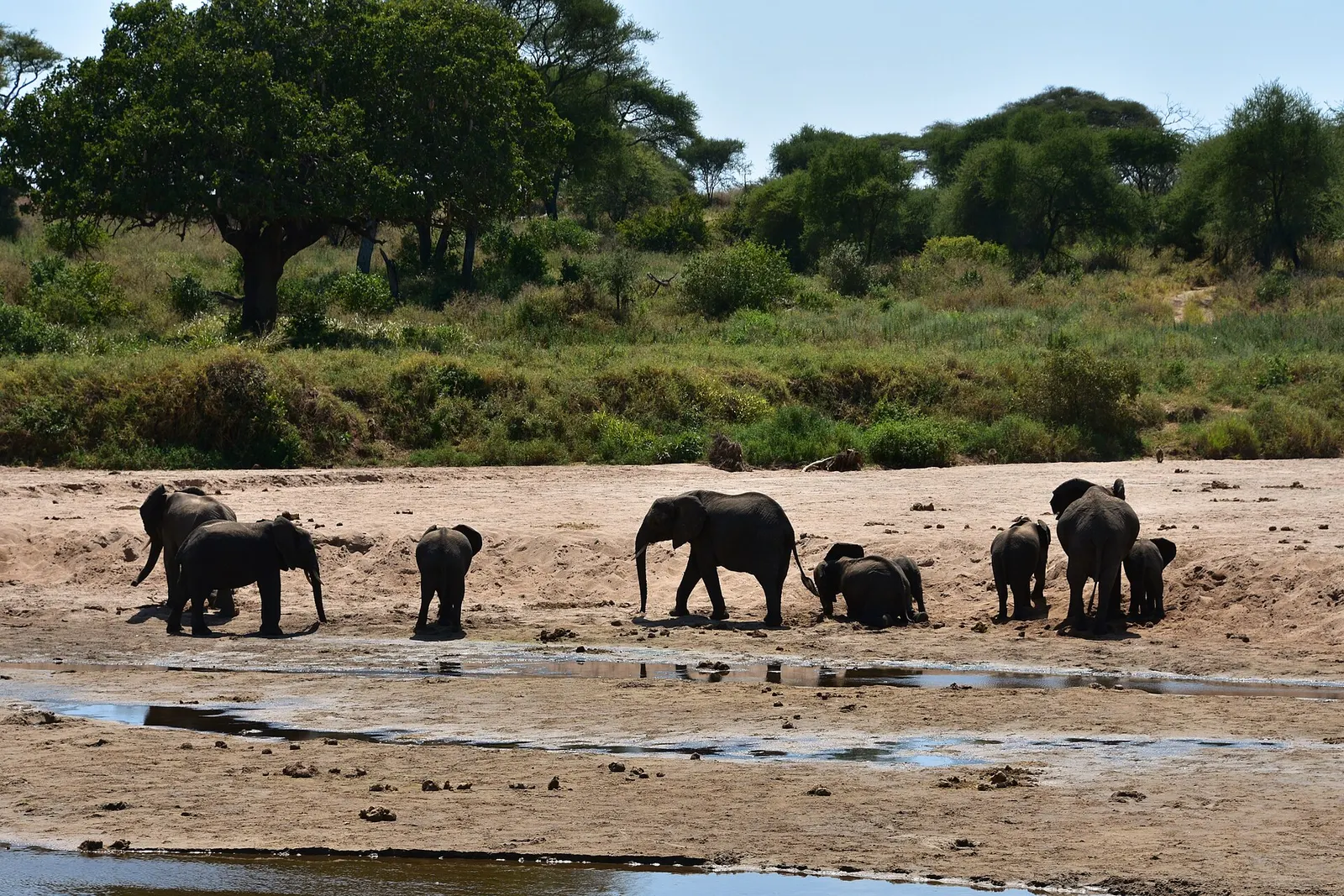
Walking Safaris in Tarangire: Reading Tracks and Signs on Foot
Plan a guided walking safari around Tarangire: how to read tracks, dung and bird alarm calls, what to wear, the best season and the rules that keep you safe.
How Altitude Works on Kilimanjaro: Pacing the Lemosho Route
A plain-English guide to altitude on Kilimanjaro: acclimatisation, altitude sickness, pole pole, climate zones and how the Lemosho route helps you pace the climb.