
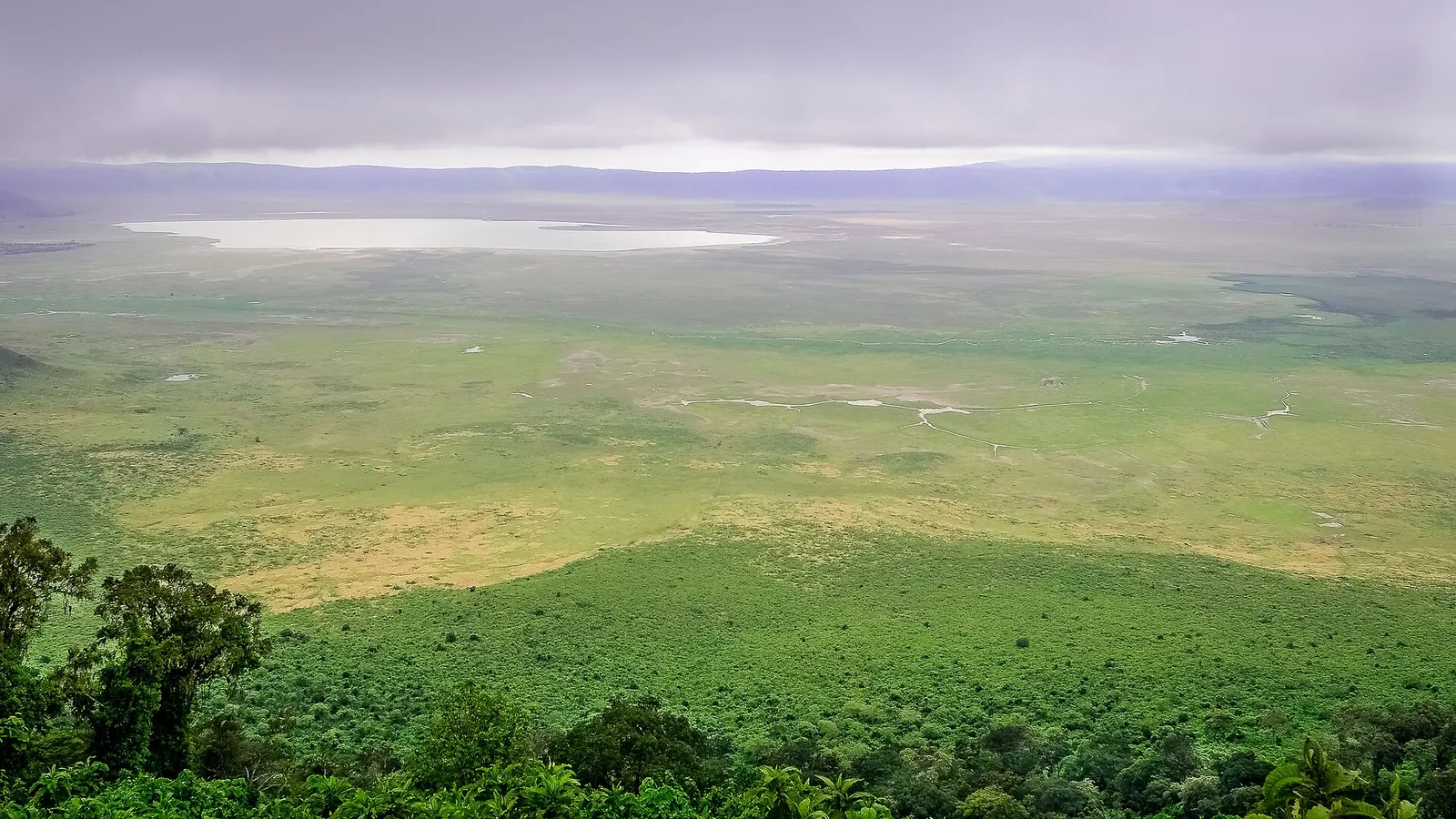

Few places in Africa give such a concentrated safari day as the Ngorongoro Crater. A vast, unbroken bowl roughly twenty kilometres across, with walls rising several hundred metres on every side, it holds grassland, swamp, forest, a soda lake and a remarkable density of wildlife. Because so much is packed into one place, it rewards a little planning. This guide covers what the crater is, how a descent usually works, and how to make good decisions about timing, lodging, packing and behaviour.
It is best treated as one chapter of a northern circuit safari, usually between Lake Manyara or Tarangire and the Serengeti. The practical details below are general, and rules, schedules and fees can change, so your operator should confirm current arrangements before you travel.
How the crater formed
The Ngorongoro Crater is a caldera, not a classic impact or erosion crater. Millions of years ago a large volcano stood here. When its magma chamber emptied, the cone collapsed inward and left the wide basin we see today. The rim is now high, and the crater floor lies well below it, with the whole area forming part of the Ngorongoro Conservation Area, which is a UNESCO World Heritage Site.
The caldera is often described as one of the largest unbroken, unflooded calderas in the world. Its steep walls act as a natural enclosure, though they are not a fence, and animals can and do move in and out. Many of the large mammals you see are residents, which is one reason the crater is so reliable for wildlife viewing, though no sighting can ever be promised.
The rim and the crater floor
The rim sits at roughly 2,200 metres above sea level, while the floor lies at around 1,700 metres. The two zones feel like different worlds. On the rim there is montane forest, cool air and often mist, with views down into the caldera that can be breathtaking on a clear morning. On the floor the landscape opens into short grass plains, the Munge stream, the Lerai forest of yellow-barked fever trees, swamps and the shallow soda waters of Lake Magadi.
Because the habitats are so varied, a single day can include grazing herds on the plains, hippo in a pool, flamingos on the lake edge and predators resting in the grass. A good circuit of the floor takes you through several of these zones, and you should ask your guide how the day will be routed.
Altitude, weather and mist
The rim is high enough that mornings and evenings are properly cold, even in the dry months. Cloud and mist are common, especially in the early hours, and rain can arrive at any time of year, more so from November to May. The floor is warmer but still mild compared with lowland parks, and the temperature can change quickly as the morning clears.
Do not be put off by a misty start. It often lifts as the sun climbs, and a bowl filled with cloud can be a striking sight from the rim. The altitude itself is not usually a problem for visitors, but you may feel a little breathless on a short walk, and warm layers are essential for early starts.
The descent road and the time limit
A single steep, winding track leads down into the crater, and another leads out. Vehicles use one-way roads in some sections, and only four-wheel-drive safari vehicles are permitted. The descent is rough in places, and it is usually done in the dry morning light when visibility is good. After heavy rain the tracks can be slippery, and your driver guide will judge conditions.
There is also a time limit. Visitors are normally allowed a set number of hours on the crater floor, often around six, and the exact rule and fees are set by the Ngorongoro Conservation Area Authority, so check them with your operator. This limit is one of the strongest reasons to plan the day carefully, because you will not be able to linger indefinitely.
Early start or afternoon descent
Most operators descend early, often shortly after sunrise or around the time the gates open. This gives the best light for photography, cooler conditions and a better chance of seeing predators active before the heat builds. It also means you reach the quieter parts of the floor before the tracks fill with vehicles.
An afternoon descent is less common, but it can work if your itinerary demands it. The light is softer in the later hours and some travellers appreciate the calmer pace. The trade-off is that the time limit may cut your visit short, and animals tend to rest in the midday heat. For most people, a morning start is the better plan.
Wildlife you may see
The crater is one of the best places in Africa to look for black rhino, which are critically endangered and scarce, so sightings are never guaranteed and are often distant. Lion are frequently seen on the plains, and spotted hyena are common, sometimes around a kill or near their dens. Elephant bulls, often large and solitary, tend to wander through the Lerai forest, while larger herds usually favour the highlands outside the caldera.
Hippo spend their days in the pools and swamp, and buffalo, wildebeest and zebra graze in numbers on the open floor. Thomson's and Grant's gazelle, eland and warthog are widespread. Cheetah can occur on the plains and serval sometimes appear in the long grass, though both are less predictable. Leopard are present in the forests and are very rarely seen.
Lake Magadi can hold flamingos, usually in varying numbers according to water levels and season, along with pelicans, storks, kori bustards and many other birds. Ostrich, crowned cranes and secretary birds are regular features of the plains. Giraffe are notably absent from the crater floor, because the steep slopes and lack of suitable browse make it difficult for them to live there.
Picnic spots and the middle of the day
Midday on the floor usually means a picnic lunch at a designated site, often near the Ngoitokitok spring with its hippo pool. Visitors are asked to stay in their vehicles or in the picnic area, because black kites and other birds are very good at snatching food. Eat in the vehicle if advised, and be careful not to leave scraps behind.
A picnic stop is also a chance to stretch your legs, use the facilities and compare notes on what you have seen. It is worth keeping an eye on the sky while you eat. Raptors are quick, and they will pick food from an unwary hand.
Maasai pastoralists and the conservation area
Ngorongoro is not a national park in the strict sense. It is a multiple-use conservation area, where wildlife, tourism and Maasai pastoralists share the land. Maasai families graze cattle, goats and sheep in parts of the highlands, and in the past they were able to bring livestock into the crater for water and salt. Access arrangements have changed over time and are the subject of ongoing national discussion, so it is best to ask your guide what applies today.
If you plan to visit a Maasai village or cultural experience, choose carefully and ask how the community benefits. Always ask before taking a photograph of a person, and respect a no if you are refused. Spending in a considered way is one of the most direct ways travellers can support local people.
Olduvai Gorge and Empakai
Two additions are often combined with the crater. Olduvai Gorge, on the road toward the Serengeti, is one of the most important palaeoanthropological sites in the world, associated with decades of research on early humans. A small museum and a guide usually give a good introduction, and it makes a worthwhile stop on the way through.
Empakai Crater is a smaller caldera on the northern side of the conservation area, with a lake at the bottom and views toward Ol Doinyo Lengai, the sacred volcano of the Maasai. It is generally visited on foot with a ranger, and it suits travellers who want something quieter and more active than a game drive. Its availability and requirements vary, so ask your operator in advance.
Getting there on the northern circuit
Most visitors reach the conservation area by road from Arusha, a drive of roughly three to four hours with a stop at the viewpoint above Mto wa Mbu and the Great Rift Valley escarpment. The road passes the turning for Lake Manyara National Park and climbs through Karatu before reaching the gate. Many itineraries pair the crater with Tarangire National Park on the way in and Serengeti National Park on the way out, which makes a natural northern Tanzania safari of five to seven days.
If you are weighing the Great Migration against a crater visit, the two fit together rather than compete. The wildebeest migration moves through the Serengeti ecosystem across the year, and the crater offers resident wildlife that does not depend on those movements. A Tanzania safari itinerary that includes both gives a broader picture of East Africa, from volcanic highlands to open plains.
Questions travellers often ask
People searching for the best time to visit Ngorongoro Crater usually want to know about weather, crowds and wildlife together. The simple answer is that there is no bad month, only different trade-offs. Others ask how many days in Ngorongoro are enough, and what to wear in Ngorongoro when the rim is cold and the floor is warm. The answers above cover these points, and a good operator will tailor them to your dates.
A related question is what to pack for Ngorongoro beyond clothing. Binoculars, a charged camera and a small first aid kit are the main items. Many visitors also ask about the Ngorongoro Crater descent itself, the Ngorongoro Crater time limit and the Ngorongoro Crater animals most often seen. Black rhino at Ngorongoro are a draw for many, though viewing is often at a distance, and hyena, lion and buffalo are more regularly encountered on a crater tour.
Lodges on the rim or in Karatu
Staying on the rim puts you at the edge of the caldera, often with views down into it from your room or terrace. The advantage is the early access to the descent road and a feel of being inside the landscape. Rim lodges can be cold at night, are usually more expensive and tend to book up early.
Staying in Karatu, a farming town on the way from Lake Manyara, usually offers a wider choice of lodges and tented camps, a warmer climate and more flexibility on budget. The drive to the crater gate takes a little time in the morning, so you must leave early. Both options work well, and the right one depends on your budget, preferred style and tolerance for cold.
What to pack
Layers are the answer. Bring a warm fleece or down jacket for the rim and early descent, a lighter shirt or t-shirt for the floor, a windproof or waterproof jacket, long trousers, a hat and sunglasses. Closed shoes, a scarf and gloves for the coldest hours are all worth adding. Neutral clothing is practical, and dust is a feature of dry-season days.
Pack sunscreen, binoculars, a camera with a zoom lens, spare batteries and memory cards, and a small daypack with water. A packed lunch is normally provided, but a few snacks help. A dry bag or plastic cover for your camera is useful when the weather turns.
Photography tips
Early light is soft and golden, and mist can add a dramatic atmosphere to wide shots from the rim. On the floor, a lens in the range of 200 to 400 millimetres is generally helpful, since many subjects are at moderate distance. Keep your shutter speed high for moving animals, and shoot from a lowered position if the vehicle roof allows.
Dust and condensation can affect equipment, so carry a cleaning cloth. Keep the engine off while photographing, to reduce vibration. Above all, remember that patience matters more than equipment. Watching a scene for a few minutes often leads to a better image than rushing from one animal to the next.
Best months and how many days to allow
The crater can be visited all year. The dry season, from late June to October, usually offers easier roads and clear skies, though it is also the busiest time. The green season brings fresh grass, young animals and fewer vehicles, though there is more chance of rain and cloud. January and February can be pleasant, with a mix of green landscapes and calmer conditions.
One full day is the usual minimum, with an overnight stay near the rim or in Karatu before and after. If you can allow two nights in the area, you will have time for Olduvai, a village visit or a walk at Empakai, and you will feel less rushed. A tight schedule that treats the crater as a quick stop tends to disappoint.
Responsible travel and common mistakes
Keep to the tracks, keep a respectful distance from animals, never feed wildlife and keep noise to a minimum. Take your litter with you, and do not buy souvenirs made from wildlife products. Choose operators who follow park rules and treat staff fairly, and tip sensibly. These small decisions add up in a place that receives many thousands of visitors each year.
Common mistakes include arriving late and wasting the cool morning, bringing too few warm clothes, expecting guaranteed black rhino sightings, overpacking the day with too many stops, and underestimating how tiring a long game drive can be. Allow some quiet time. Another error is treating the crater as the only highlight, when the surrounding highlands, forests and communities add real depth.
Planning your trip
A well-planned crater day fits neatly into a northern circuit that includes Tarangire, Lake Manyara and the Serengeti, and it deserves a little thought about lodging, timing and pace. If you would like to build a trip around the Ngorongoro Crater, you are welcome to contact The Expedition Tours. We can talk through the season, the length of your stay and the kind of experience you are looking for, and help you plan it from there.
About The Expedition Tours
The Expedition Tours plans safaris, Kilimanjaro climbs and Zanzibar extensions from Arusha, Tanzania, built around each traveller.
See our routes →More Field Dispatches
All field notes →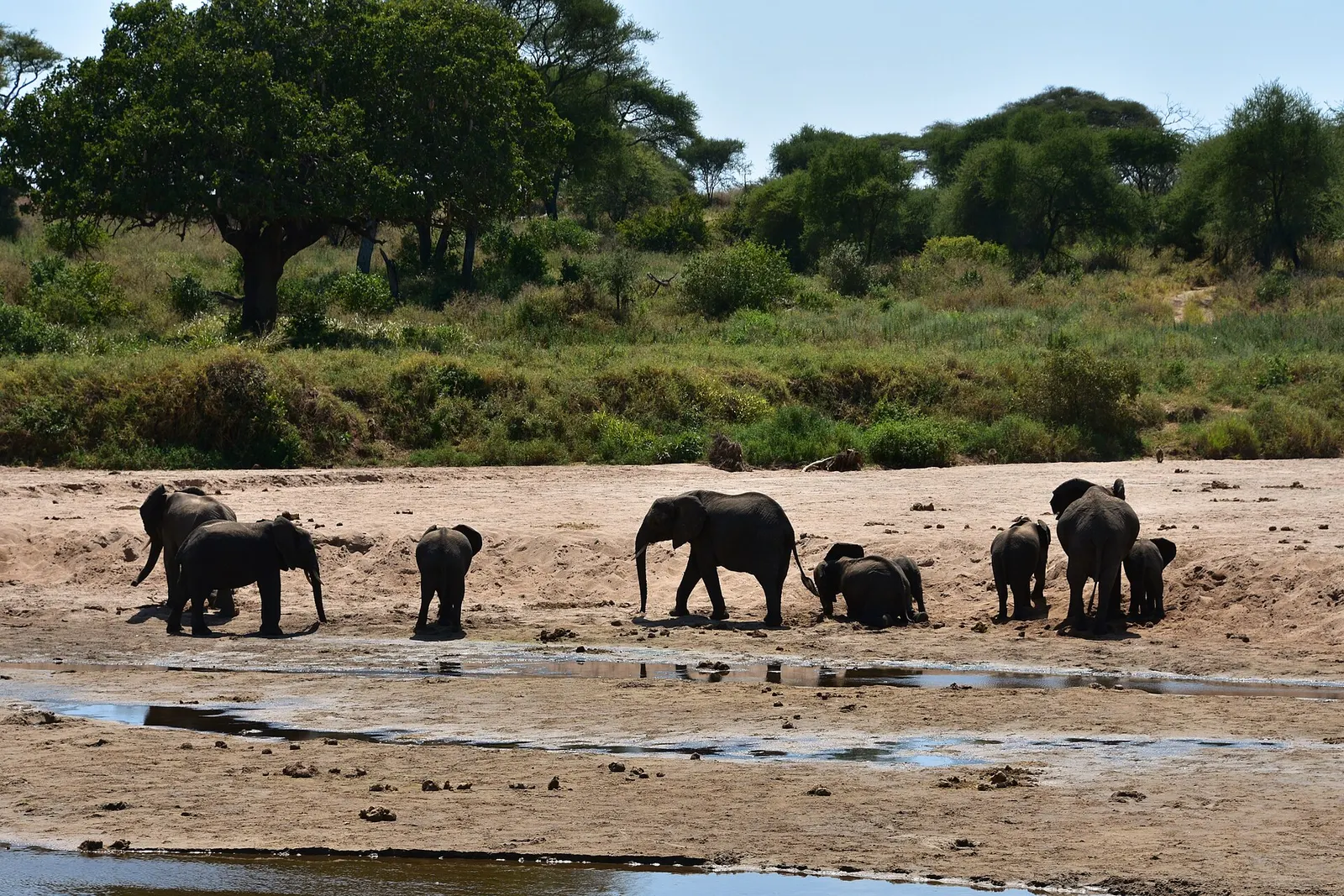
Walking Safaris in Tarangire: Reading Tracks and Signs on Foot
Plan a guided walking safari around Tarangire: how to read tracks, dung and bird alarm calls, what to wear, the best season and the rules that keep you safe.
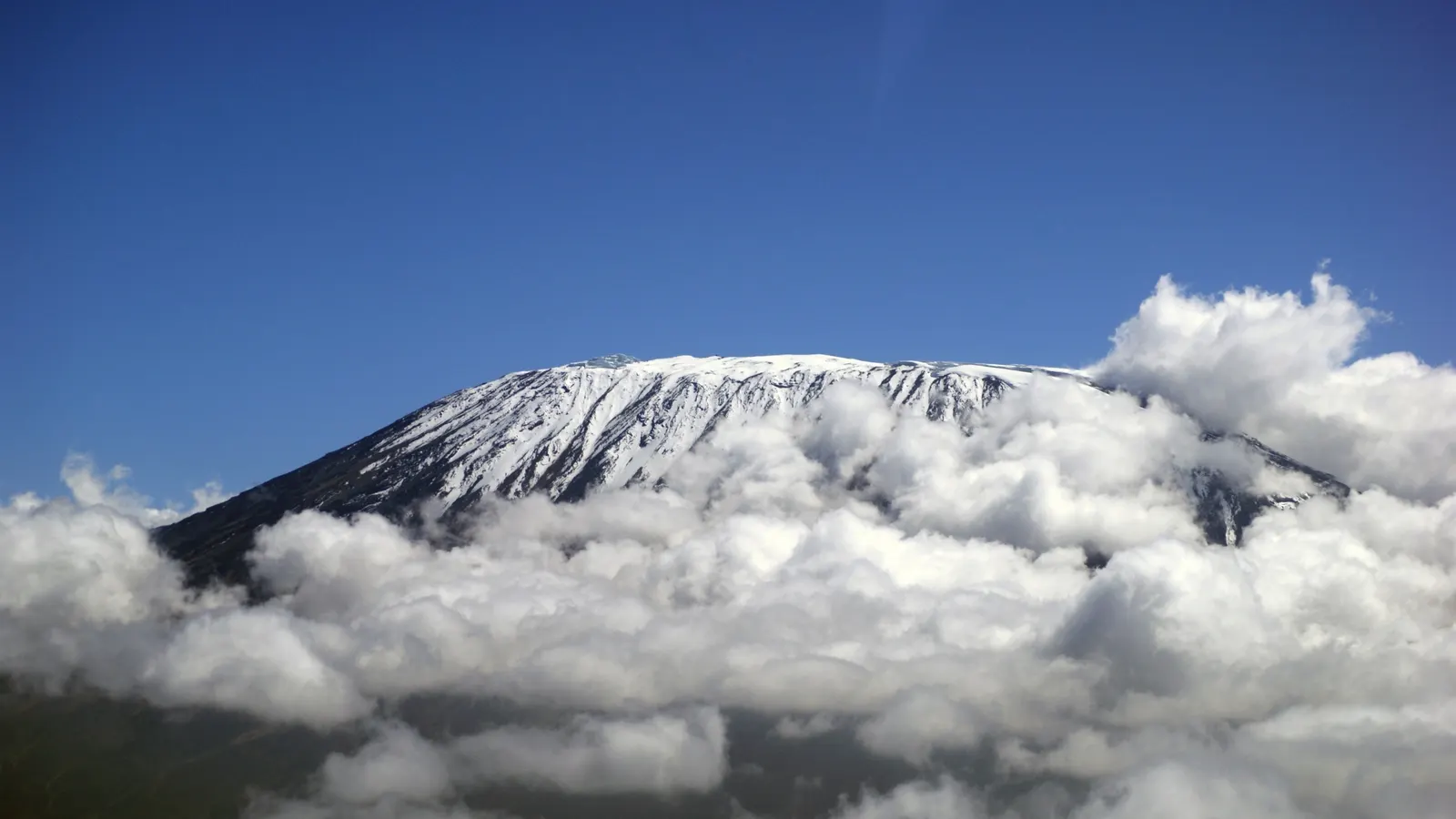
How Altitude Works on Kilimanjaro: Pacing the Lemosho Route
A plain-English guide to altitude on Kilimanjaro: acclimatisation, altitude sickness, pole pole, climate zones and how the Lemosho route helps you pace the climb.