
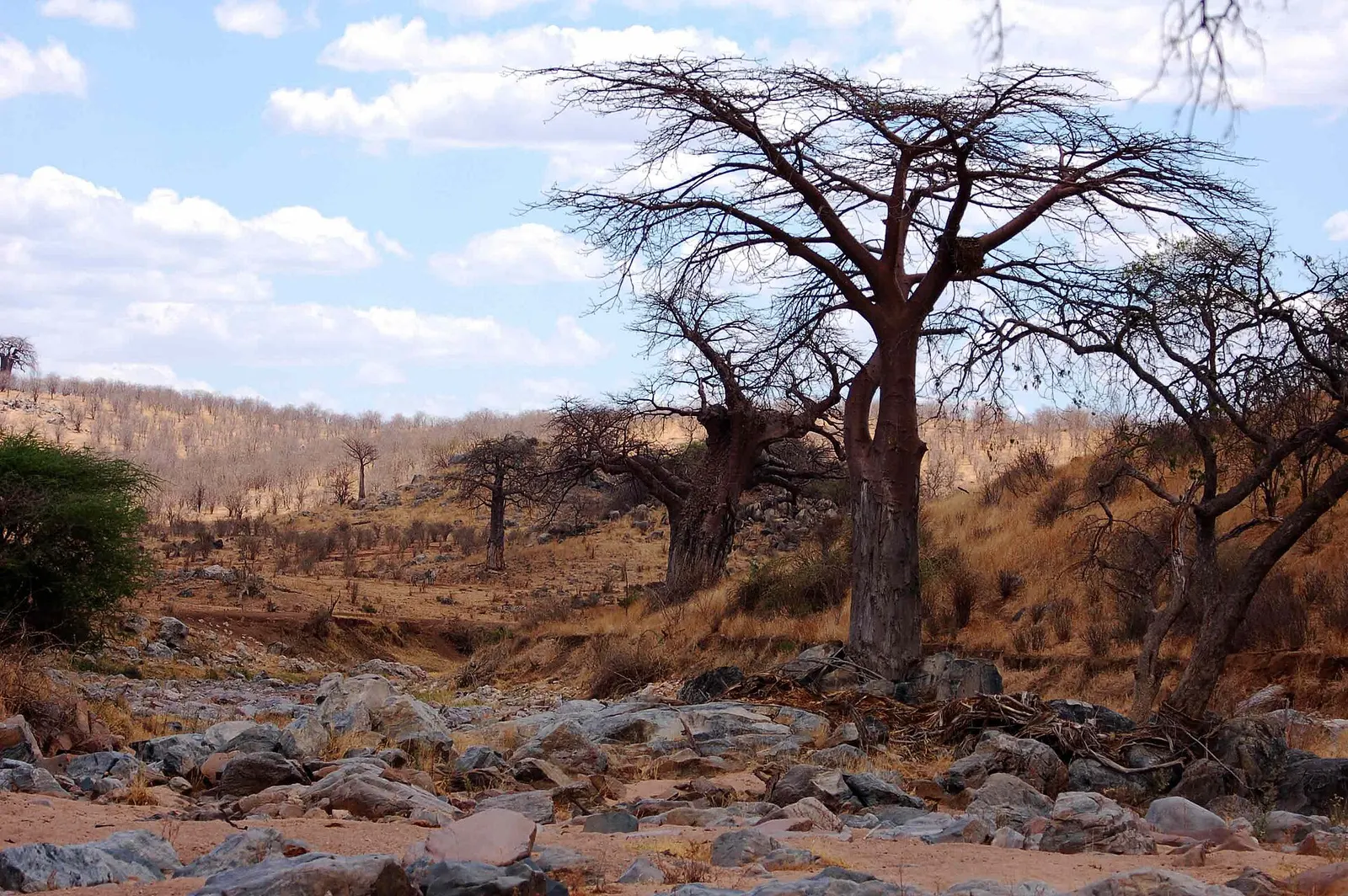

Ruaha National Park sits in the centre of southern Tanzania, a vast and sparsely visited wilderness of baobab trees, granite kopjes, sand rivers and open bushveld. It covers roughly 20,000 square kilometres and is one of the largest national parks in Africa, yet it receives only a small fraction of the visitors that arrive in the northern safari circuit each year. For travellers who value space, silence and a sense of genuine remoteness, the Ruaha dry season is among the most rewarding times to visit anywhere in Tanzania.
This guide explains what Ruaha is like from June to October, how the landscape and wildlife behave as the rains fade, how to reach the park, what to pack, and how to decide whether it belongs in your itinerary. It is written as a general overview for first-time visitors to the southern circuit, and every traveller's experience will differ with the weather, the camp, the guide and a good measure of luck.
Where Ruaha sits and why it feels so remote
Ruaha National Park lies in the Iringa region, in the interior of the country, between the southern highlands and the central plateau. The park forms the heart of a larger ecosystem that includes the Rungwa and Muhesi game reserves and several wildlife management areas, which means animals can move across a very large area. Altitude ranges from around 750 metres in the river valleys to well over 1,500 metres on the hills, and that variation helps explain the park's unusual mix of habitats.
Distance is the key to the atmosphere. There is no road network on the scale of the Serengeti, no crowded lodges and rarely more than a handful of vehicles at a sighting. Many visitors describe this as true wilderness, and a Ruaha safari is built around long, uninterrupted hours in the bush rather than a checklist of species ticked off in a day. The trade-off is that you need to be comfortable with long distances, simple logistics and a slower pace.
The Great Ruaha River and its sand rivers
The Great Ruaha River is the lifeblood of the park. In the wet season it can run strongly, but as the dry season advances the flow shrinks to a series of pools, channels and exposed sandbanks. Tributaries such as the Mwagusi, the Mdonya and the Jongomero are known as sand rivers: broad, pale beds that stay dry on the surface for months, while water persists beneath. Elephants and other animals dig into the sand with their feet and trunks to reach it, and these waterholes become small, busy theatres.
This is the central fact of dry season wildlife viewing in Ruaha. As the surrounding bush dries out and standing water in the interior vanishes, animals concentrate along the river and in the sand river beds. Hippo crowd into the deepest pools, crocodile lie on the banks, and buffalo herds, giraffe, zebra, impala and waterbuck arrive each day to drink. Predators know this and position themselves accordingly, so a quiet morning beside the river can deliver a great deal of action, though sightings can never be promised.
A drive along the river corridor in the cool early hours is often the best way to understand the park. The riverine forest of fig trees, tamarind and acacia holds baboons, vervet monkeys and many birds, while the open flats behind it hold grazers. In the late afternoon the light turns gold on the sand, and wildlife photography can be excellent.
Baobab and miombo: the landscape you will see
Ruaha is famous for its baobab trees. The African baobab, with its swollen trunk and thin, root-like branches, grows in dense stands across the hills and plains here, and some of the largest specimens are hundreds of years old. In the dry season the trees are leafless, which gives the park its stark, sculptural look. Elephants sometimes strip the bark for moisture, and hollow trunks provide shelter for bats, owls and bees.
Between the baobabs and the river lie belts of miombo woodland, dominated by Brachystegia trees, along with acacia and combretum bushveld, rocky escarpments and open grassland. This is a transition zone. Ruaha sits where the vegetation and animal communities of eastern, southern and central Africa overlap, and it is one of the few places where northern and southern species meet. Botanists and ornithologists are often drawn to the park for exactly this reason.
A meeting of northern and southern wildlife
One of Ruaha's defining features is the way northern and southern species overlap. Both greater kudu and lesser kudu live here, which is unusual: the greater kudu is a large, spiral-horned antelope of the southern woodlands, while the lesser kudu is a slender, striped antelope more common in the dry thickets of the north. Visitors with a keen eye may also see roan antelope and sable antelope, two handsome and relatively scarce species that favour the woodland edges. Grant's gazelle, a classic open-country animal of the north, is found here too, and so is the common eland, the largest antelope in Africa.
The park also hosts dry-country birds that are hard to find elsewhere. Hornbills are a highlight, among them the Ruaha red-billed hornbill, the southern ground hornbill and several smaller species. Lilac-breasted roller, bee-eaters, yellow-collared lovebirds, secretarybirds, ostriches, kori bustards and a range of raptors reward anyone who stops to look. Birdwatching is good all year, though the dry season, with little foliage and concentrated water, makes many species easier to see.
Predators: lions, leopard, cheetah and wild dog
Ruaha has a strong reputation for predators. Large lion prides roam the river and the plains, and game drives can include sightings of lions resting in the shade of a baobab or watching buffalo at the water. Leopard are present in the riverine thickets and rocky outcrops and can often be spotted in the tamarind and fig trees along the sand rivers, although they remain secretive. Cheetah favour the more open grassland and are seen in some areas of the park, hunting in the early morning.
Spotted hyena, striped hyena and black-backed jackal also live here, and the park is home to the African wild dog, one of the continent's most endangered carnivores. Wild dog packs range over great distances and den seasonally, usually in the dry season, so they can occasionally be seen at this time of year, but no guide can guarantee it. It is wise to treat wild dog as a bonus rather than an expectation.
The scale of the prey populations supports all of this. Impala, Defassa waterbuck, zebra, giraffe and large buffalo herds are common, and elephants are numerous, with family groups moving along the river during the heat of the day. The sheer number of elephants, in a place with so few vehicles, is one of the park's quiet pleasures.
Game drives, walking and the pace of a Ruaha day
A typical day involves an early game drive after dawn, a return to camp for breakfast and rest during the hottest hours, and an afternoon drive until sunset. Some visitors prefer a full day out with a packed picnic lunch, which allows more time at a good sighting. Open or semi-open 4x4 vehicles are standard, and the roads are often rough and sandy, particularly along the riverbeds.
Walking safaris are offered by some camps in the surrounding area and in permitted zones, led by a trained guide accompanied by an armed ranger. On foot, the focus shifts from large animals to tracks, dung, termite mounds, trees and insects, and the experience can be deeply absorbing. Rules on walking, night drives and activities are set by the park authorities and individual camps, and they can change, so it is worth asking what is available at the time you travel.
Keep expectations realistic. A fine Ruaha day may produce hours of elephants and birds, then a sudden lion sighting, or it may be quiet. Patience and a good guide matter far more than a long species list.
Getting there: bush flights and the road
Most visitors fly. Scheduled and charter bush flights connect Ruaha with Dar es Salaam, Arusha and Zanzibar, usually landing at an airstrip close to the park such as Msembe or one of the camp airstrips. The flight time is typically around an hour or a little more from Dar es Salaam, and light aircraft have strict baggage allowances, so soft-sided bags are the standard recommendation. Schedules change with the season, so flights should be confirmed in advance.
Travelling by road is possible, but it is a commitment. The usual route is via Iringa, which is a long day's drive from Dar es Salaam, followed by a further stretch on a rough, unsealed road to the park gate. From Iringa the drive to the park can take a few hours depending on road conditions and the camp you are visiting. The road journey suits travellers who enjoy overland trips and have the time, while the flight suits those with a tighter schedule.
Ruaha compared with the northern circuit
The northern circuit, which includes the Serengeti, Ngorongoro Crater, Tarangire and Lake Manyara, offers high concentrations of wildlife and the wildebeest migration. Ruaha is different. There are fewer animals in any one place, fewer vehicles and a more rugged feel, but a stronger sense of discovery. If the Serengeti is a grand stage, Ruaha is a quieter, more intimate performance.
Many people combine both. A common pattern is to start with the north, where the roads and the choice of lodges are broadest, and finish in the south for a different rhythm. Others, on a second visit to Tanzania, choose Ruaha as the main event because they already know the northern parks.
Heat, dust, tsetse flies and what to wear
The dry season is the cool season, in relative terms. Mornings and evenings in June and July can be chilly on an open vehicle, sometimes close to 10 degrees Celsius, while midday temperatures climb and by September and October the heat can be intense, often above 30 degrees. Dust is a fact of life. Pack a scarf or buff, sunglasses, a wide-brimmed hat and a camera cover.
Clothing should be lightweight, breathable and in neutral colours such as khaki, olive and tan. Avoid bright colours and, in tsetse areas, dark blue and black, which attract the flies. Layers matter: a warm fleece or jacket for early drives, long sleeves and trousers for sun and insect protection, and sturdy closed shoes. A good pair of binoculars is among the most useful items to bring.
An honest note on tsetse flies: the miombo woodland that makes Ruaha beautiful is also tsetse habitat. The bites are sharp and can be painful, though they are rarely a serious concern for short visits. Closed vehicle windows, long sleeves and neutral clothing help. Rough roads and long drives also mean that visitors with back problems should plan for the bumps.
Health and malaria precautions
Ruaha is in a malaria-risk area, and although the risk is generally lower in the dry season because there are fewer mosquitoes, it is never absent. Speak to a doctor or a travel clinic well before departure about malaria prophylaxis, vaccinations and any personal medical needs. Insect repellent, long sleeves in the evening and a mosquito net at camp all help. Travel insurance that covers medical evacuation is strongly advised for remote destinations like this one, and anyone with a medical condition should discuss the trip with their doctor first.
When to go and how long to stay
The best time to visit Ruaha for wildlife is generally the dry season, from about June to October, with the late dry season of September and October often producing the most concentrated game viewing along the river, though also the hottest weather. The green season, from roughly November to May, brings the rains, lush bush, newborn animals and migratory birds, but also muddy roads and thicker vegetation, and some camps close.
Plan on at least three or four nights. That allows time to settle into the rhythm, adapt to the distances and give the river a few chances to deliver. Many travellers stay five nights or more, splitting their stay between two camps in different areas, for example one on the main river and another in the quieter Mwagusi or Jongomero region.
Ruaha also combines well with Nyerere National Park, formerly part of the Selous Game Reserve, in the southern circuit. Nyerere offers boat safaris and walking along the Rufiji River, a landscape of lakes and channels that contrasts with Ruaha's baobab country. A short flight can link the two parks, making a southern safari of a week or more straightforward to arrange.
Planning your trip
Ruaha rewards careful planning. Flights, camp choice, the number of nights and the timing of your visit all shape the experience, and the right balance depends on your interests and how much time you have. If you would like to explore a dry season journey to Ruaha, whether on its own or alongside the northern parks or Nyerere, get in touch with The Expedition Tours and we will talk through the options with you.
About The Expedition Tours
The Expedition Tours plans safaris, Kilimanjaro climbs and Zanzibar extensions from Arusha, Tanzania, built around each traveller.
See our routes →More Field Dispatches
All field notes →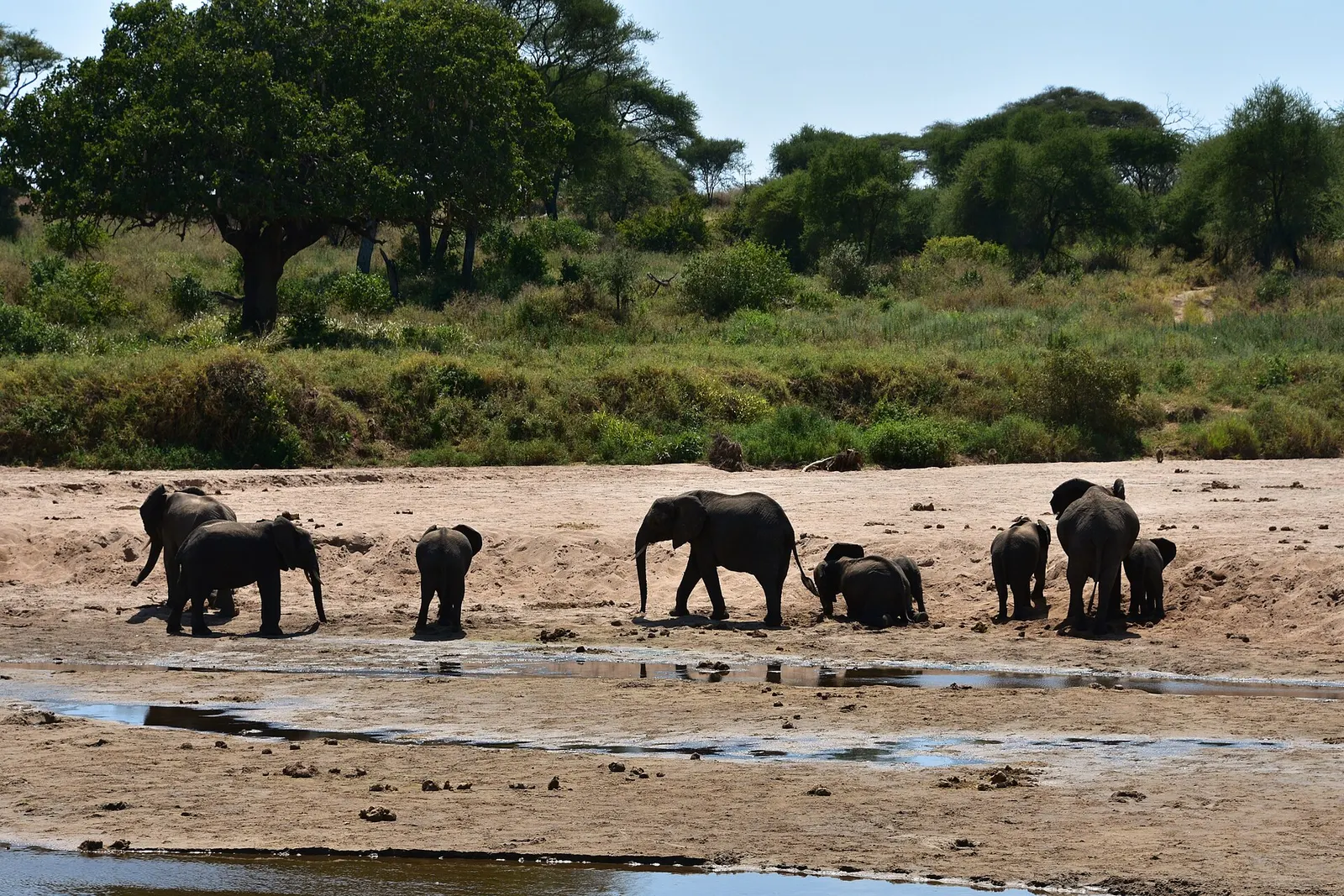
Walking Safaris in Tarangire: Reading Tracks and Signs on Foot
Plan a guided walking safari around Tarangire: how to read tracks, dung and bird alarm calls, what to wear, the best season and the rules that keep you safe.
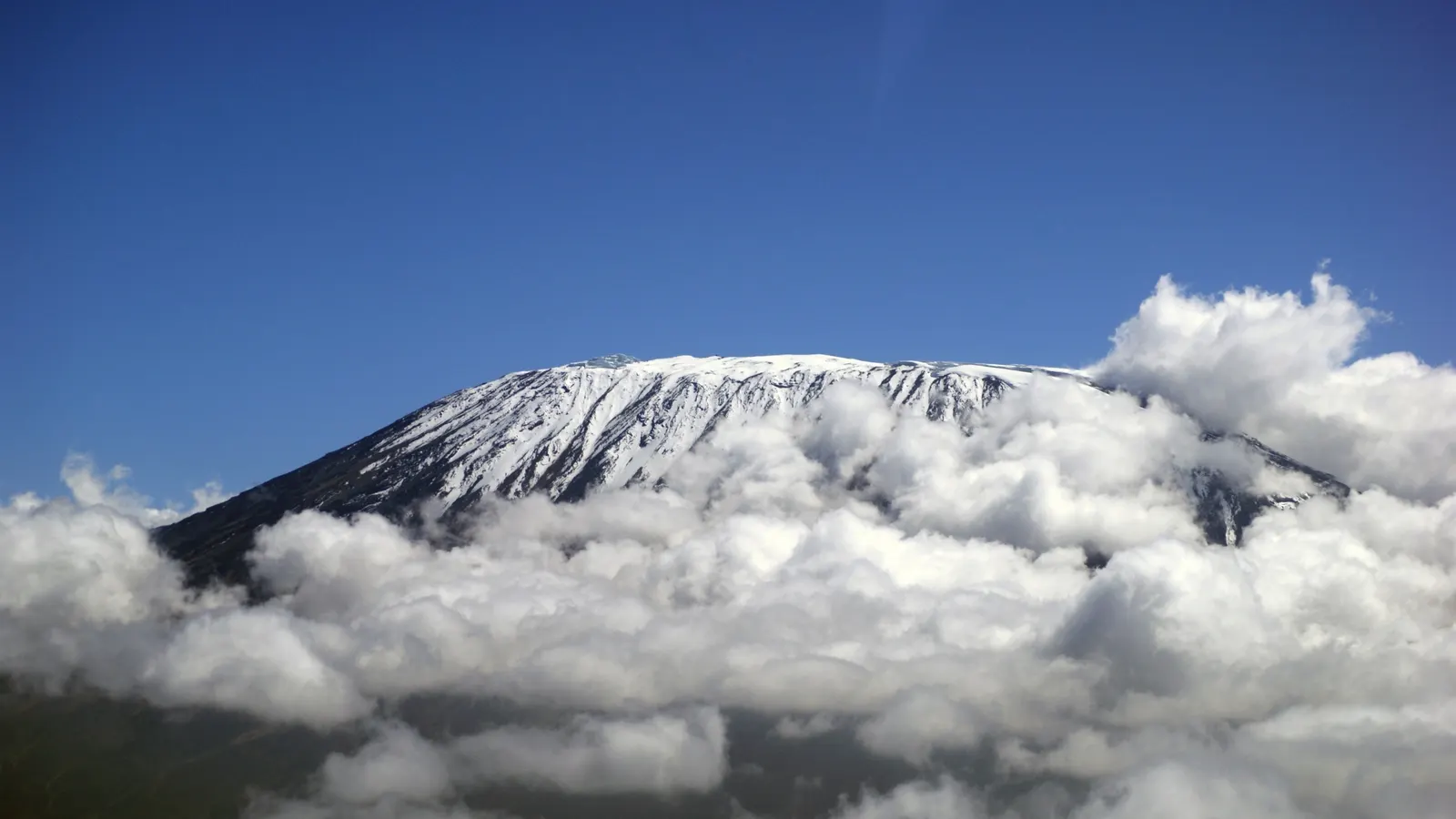
How Altitude Works on Kilimanjaro: Pacing the Lemosho Route
A plain-English guide to altitude on Kilimanjaro: acclimatisation, altitude sickness, pole pole, climate zones and how the Lemosho route helps you pace the climb.