
A Kilimanjaro packing list looks simple on paper and turns out to be one of the most important parts of preparing for the climb. You will pass through five climate zones in a week, from warm farmland to a frozen summit, and the gear you carry has to cope with humid forest rain, strong sun, cold wind and temperatures well below freezing on summit night. The aim is not to bring a lot, it is to bring the right layers and know when to use them.
This packing guide covers the layering system, the pieces that matter most for warmth, the items worth renting rather than buying, and a few habits that make summit night easier. It is general advice. Park rules and operator requirements change from time to time, so always check the current guidance before you finalise your bag.
How layering works on Kilimanjaro
The secret to staying warm on Kilimanjaro is the layering system. Instead of one thick jacket you wear several thinner layers that trap warm air, wick sweat away and can be added or removed as conditions change. The system has four parts: a base layer, a mid layer, an insulation layer and an outer shell. Each does a different job, and they work best together.
The base layer sits against your skin. Choose merino wool or a synthetic fabric that moves moisture away, and avoid cotton, which holds sweat and chills you quickly. Long-sleeved tops and thermal leggings are useful in the evenings and on summit night. The mid layer is typically a fleece or lightweight softshell that adds warmth while staying breathable, and it is the layer you will wear most often during the day.
Insulation is your warm layer for camp, rest stops and the coldest hours. A down or synthetic insulated jacket is the usual choice, and many people take a second, lighter one for extra warmth. The shell is a waterproof, windproof jacket and trousers that keep out rain in the forest and wind higher up. Gore-Tex or a similar membrane is common, and it should be roomy enough to fit over your other layers.
Headwear, gloves, socks and sun protection
Heat escapes quickly from your head, hands and feet, so these are the places to invest. Bring a warm beanie that covers your ears, a buff or neck gaiter for wind, and a wide-brimmed hat or cap for the sun. A balaclava is a good idea for summit night, when the wind can be fierce. Sunglasses with strong UV protection are essential, and glacier-rated lenses are worth considering because the light at altitude is intense.
Sun protection matters more than many first-time trekkers expect. Ultraviolet radiation increases with elevation and reflects off rock and ice. Pack a high-factor sunscreen, a lip balm with SPF, and apply them even on cloudy days. Sunburn on the nose, ears and the backs of the hands is one of the most common and preventable problems on the mountain.
For your hands, bring two pairs of gloves: a thin liner glove and a warm insulated glove or mitten. Mittens are warmer than gloves because your fingers share heat, and many climbers wear liners underneath for dexterity. Pack spares, because wet gloves are cold gloves. For your feet, take moisture-wicking hiking socks in merino or a blend, a few pairs of thicker socks for summit night, and a pair of warm camp socks. Do not overstuff your boots, as tight socks restrict circulation and make your feet colder.
Boots, gaiters and trekking poles
Your boots are the most personal item on the list. Choose sturdy, waterproof hiking boots with good ankle support and a stiff enough sole for rocky ground. They must be fully broken in before you arrive: wear them on long walks for weeks, with the socks you plan to use on the mountain. New boots cause blisters, and blisters can ruin a climb. Bring a pair of light camp shoes or sandals as well, so your feet can rest in the evening.
Gaiters are lightweight covers that fit over the top of your boots and trousers. They keep out mud on the forest trail and dust and scree on the summit slope, and they help with warmth. They are inexpensive and easy to carry. Trekking poles are strongly recommended. They take weight off the knees on the descent, help your balance on loose ground and make the steady pole pole rhythm easier to keep. Collapsible poles with wrist straps work well, and some climbers carry two.
Blister care belongs in your first aid kit: tape, plasters and a little foot powder. Check your feet each evening and treat hot spots early. It is much easier to prevent a blister than to fix one on day five.
Headlamp, batteries and keeping electronics working
A good headlamp is essential on summit night, since you start walking around midnight and climb for hours in the dark. Choose one with a comfortable strap and a reasonable beam, and bring a spare. Cold drains batteries quickly, so carry fresh spares and keep them in an inside pocket close to your body. Some trekkers keep the headlamp battery pack under their jacket with the cord run to the front.
The same applies to phones, cameras and power banks. In the cold, battery life can fall sharply, and a phone can shut itself off. Keep devices and power banks in an inner pocket or inside your sleeping bag at night, and bring a power bank of reasonable capacity with the right cables. Take photos before the coldest hours and keep your camera in a padded bag. Charging facilities on the mountain are limited, so plan to be self-sufficient and switch your phone to airplane mode to save power.
Sleeping bag, duffel bag and daypack
Nights on Kilimanjaro are cold, especially at Barafu and the higher camps, so your sleeping bag matters. Look at the temperature rating on the label. A bag with a comfort rating of around minus ten degrees Celsius is a common recommendation, and a liner adds warmth. If you do not own one, a rental from your operator may be available. Check hygiene arrangements and ask whether the bag is cleaned between trips.
Pack your main kit in a soft duffel bag, not a rigid suitcase, because porters carry it on their backs and heads. Waterproof duffels are best. Porters carry a limited weight, and park regulations set maximum loads, so keep your duffel as light as you can and check with your operator for the current limit. A smaller daypack of around 25 to 35 litres carries what you need during the day: water, a rain jacket, warm layer, snacks, sunscreen, camera and your personal items.
Pack your daypack so that the items you need most are easy to reach. A hip belt helps spread the weight, and a rain cover is useful. Use packing cubes or stuff sacks to organise layers, and keep your sleeping bag and spare clothes inside a waterproof liner so that they stay dry even if the duffel is rained on.
Water, food and what not to bring
Staying hydrated at altitude is essential, and in the cold, water can freeze. Carry two or three litres in insulated bottles, and consider a bottle parka. Hydration bladders with drinking tubes are popular but the tube can freeze on summit night, so if you use one, blow the water back into the bladder after each sip and keep the hose under your jacket. Many trekkers switch to wide-mouth bottles and carry them upside down in the daypack. Hot drinks in a flask are a real comfort.
Bring snacks that you enjoy and can eat when your appetite is poor: energy bars, nuts, dried fruit, chocolate and electrolyte sachets. Meals are normally provided by your operator, but a few favourites from home can lift your mood on a long day.
There are also things to leave behind. Plastic bags are banned in Tanzania, including in the national parks, so do not bring them. Use reusable dry bags or fabric stuff sacks instead. Avoid bringing single-use plastic carrier bags in your luggage or packaging, and check the latest guidance on what is permitted at the gate. Drones usually require a permit and are often restricted, so ask before bringing one. Leave valuables, jewellery and anything you cannot afford to lose at your hotel in Arusha or Moshi.
Toiletries, medicine and first aid
Keep toiletries minimal. Biodegradable soap, wet wipes, hand sanitiser, a toothbrush, toilet paper and a small trowel are useful. Bring a small supply of personal hygiene products and carry out any used items, as litter is not allowed on the mountain. Lip balm, moisturiser and a small pack of tissues also help in the dry air.
Medication needs a conversation with your doctor. Bring any prescription medicines in their original packaging, along with a note if required, and carry enough for the whole trip. Ask your doctor about altitude medication, anti-diarrhoea tablets, painkillers and anything for allergies. A basic first aid kit with plasters, blister dressings, rehydration salts, antiseptic wipes, bandage and tape is sensible. Your guides will have a kit too, but personal supplies save time.
Consider your vaccinations and health checks well in advance, as a travel clinic may need several weeks. Keep copies of your insurance details, passport and emergency contacts in a waterproof pouch. If you wear glasses or contact lenses, take spares, and remember that contact lenses can be difficult in cold, dusty conditions.
Rent or buy, and what the porters carry
You do not need to buy everything. Items that you will use rarely, such as a down jacket, sleeping bag, trekking poles, duffel bag or waterproof trousers, are often available for rent in Arusha or Moshi, usually through your operator or local shops. Rent what you can, but buy what must fit perfectly and be hygienic, such as boots, socks, base layers, gloves and underwear. Always inspect rental gear before you commit to the climb.
Porters carry the main duffels, tents, food, water and cooking equipment. They are the backbone of the expedition, and their loads are regulated by the national park to protect their welfare. Keep your duffel within the limit your operator gives you, tip porters fairly when you finish, and treat them with respect. A responsible operator pays and equips its crew properly, so it is fair to ask about porter welfare when you book.
Temperatures and tips for summit night
Approximate temperatures help you plan. In the rainforest, daytime is often 15 to 25 degrees Celsius and wet. On the moorland it is cooler, roughly 5 to 15 degrees by day and near freezing at night. In the alpine desert days can be mild but nights drop below zero. On summit night, temperatures at the top are commonly around minus 10 to minus 20 degrees Celsius, and wind chill can make it feel colder. These are approximations, and conditions vary with season and weather.
For summit night, dress in layers you can remove: base layer, thermal leggings, fleece, insulated jacket, shell, warm hat, balaclava, liner gloves and mittens. Start moving before you get cold, and avoid sweating heavily by opening zips as needed. Keep water insulated, carry snacks in a pocket and keep your phone warm. Lay out all your gear the night before so you can dress quickly in the dark.
Rain gear matters from the first day. The forest can be wet in any season, so keep a waterproof jacket and trousers handy, cover your daypack, and protect electronics in dry bags. Pack your clothes in reusable dry bags inside the duffel so that nothing ends up soaked. Dry clothes at camp make a large difference to your comfort.
Planning your trip
If you are planning a Kilimanjaro climb and want a hand with kit, route choice or timing, The Expedition Tours would be glad to talk it through with you. Packing is only one piece of a successful trek, and it fits best alongside advice on fitness, acclimatisation and itinerary. Get in touch when you are ready to start planning, and we can go through your questions together.
About The Expedition Tours
The Expedition Tours plans safaris, Kilimanjaro climbs and Zanzibar extensions from Arusha, Tanzania, built around each traveller.
See our routes →More Field Dispatches
All field notes →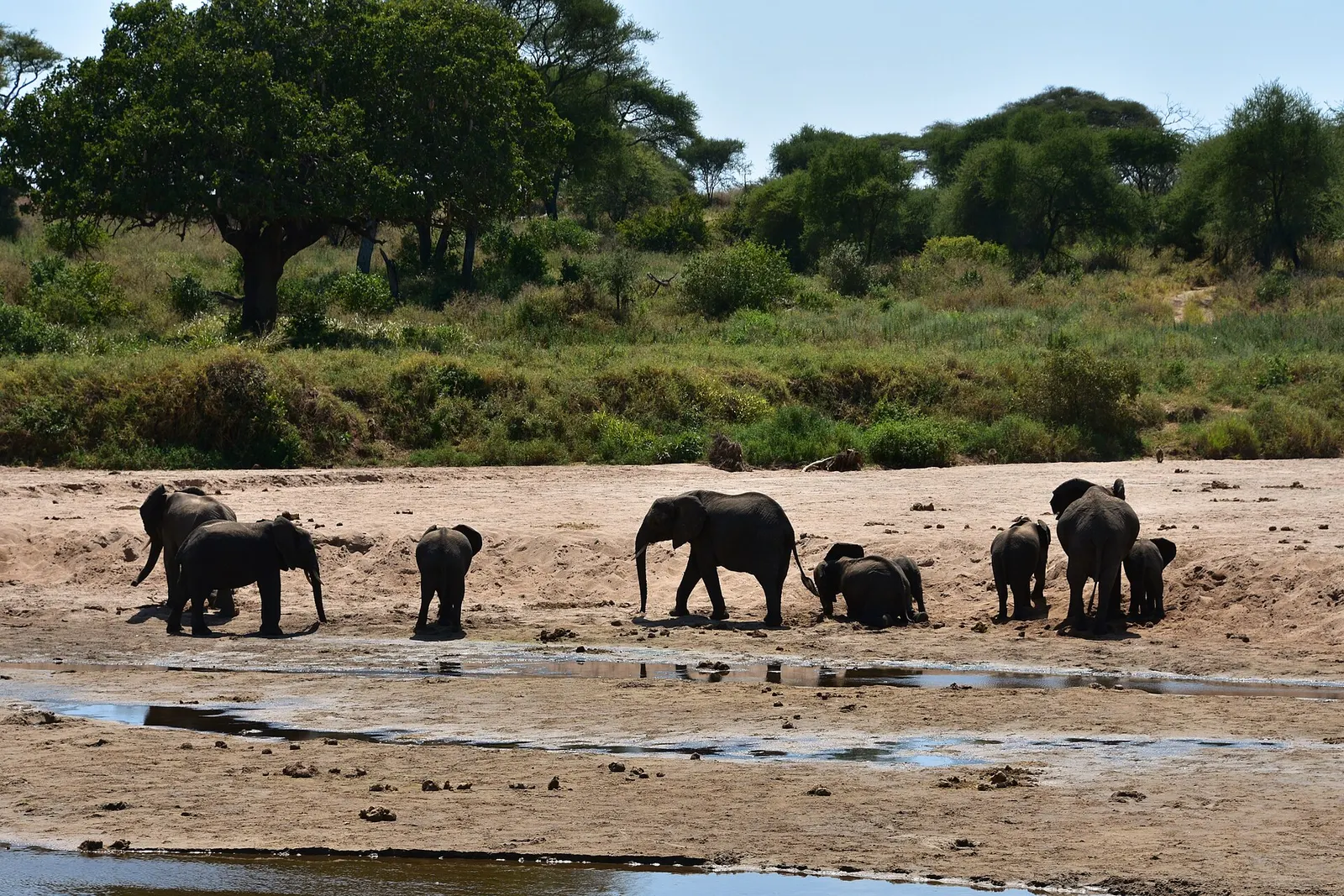
Walking Safaris in Tarangire: Reading Tracks and Signs on Foot
Plan a guided walking safari around Tarangire: how to read tracks, dung and bird alarm calls, what to wear, the best season and the rules that keep you safe.
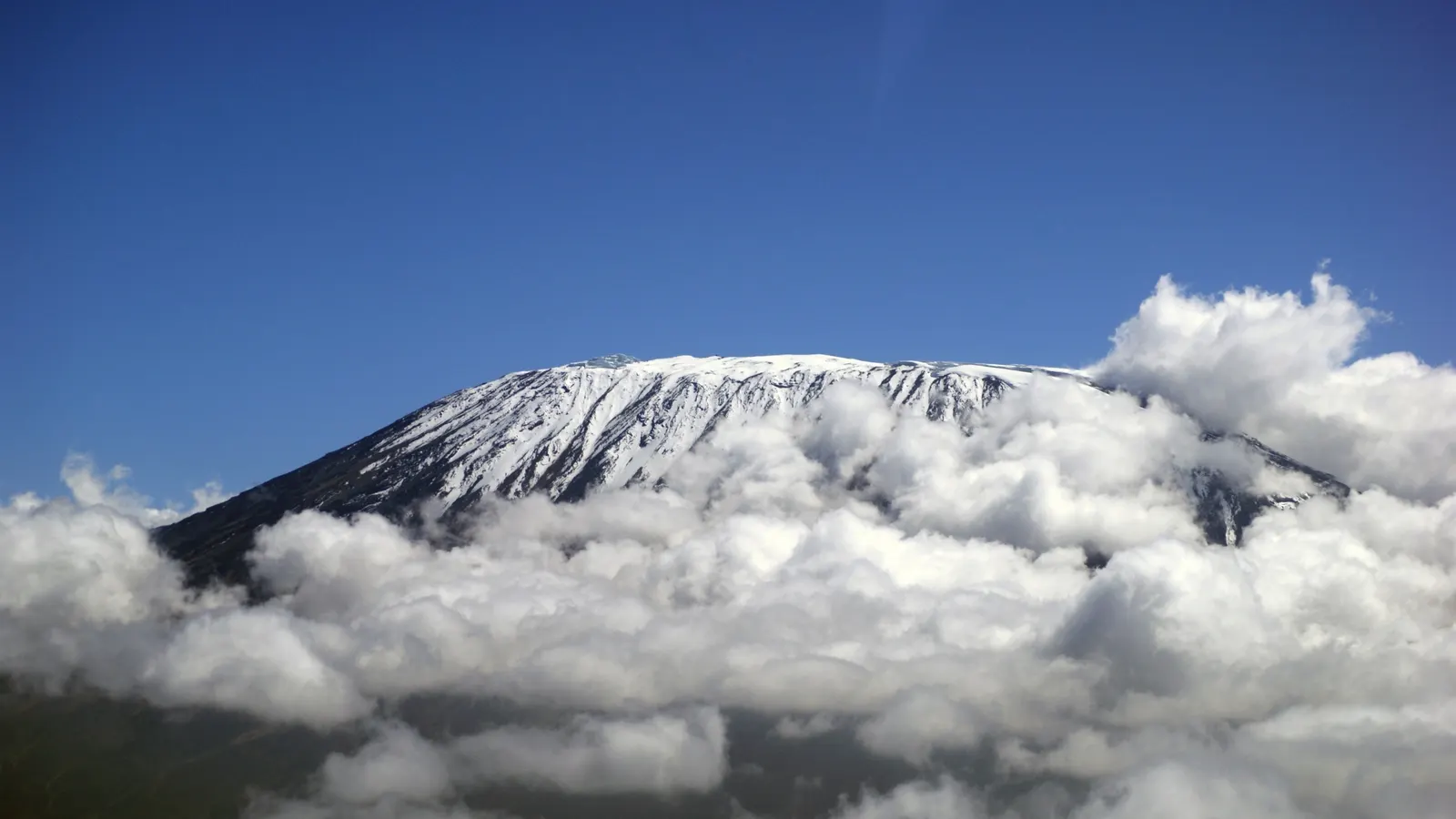
How Altitude Works on Kilimanjaro: Pacing the Lemosho Route
A plain-English guide to altitude on Kilimanjaro: acclimatisation, altitude sickness, pole pole, climate zones and how the Lemosho route helps you pace the climb.