
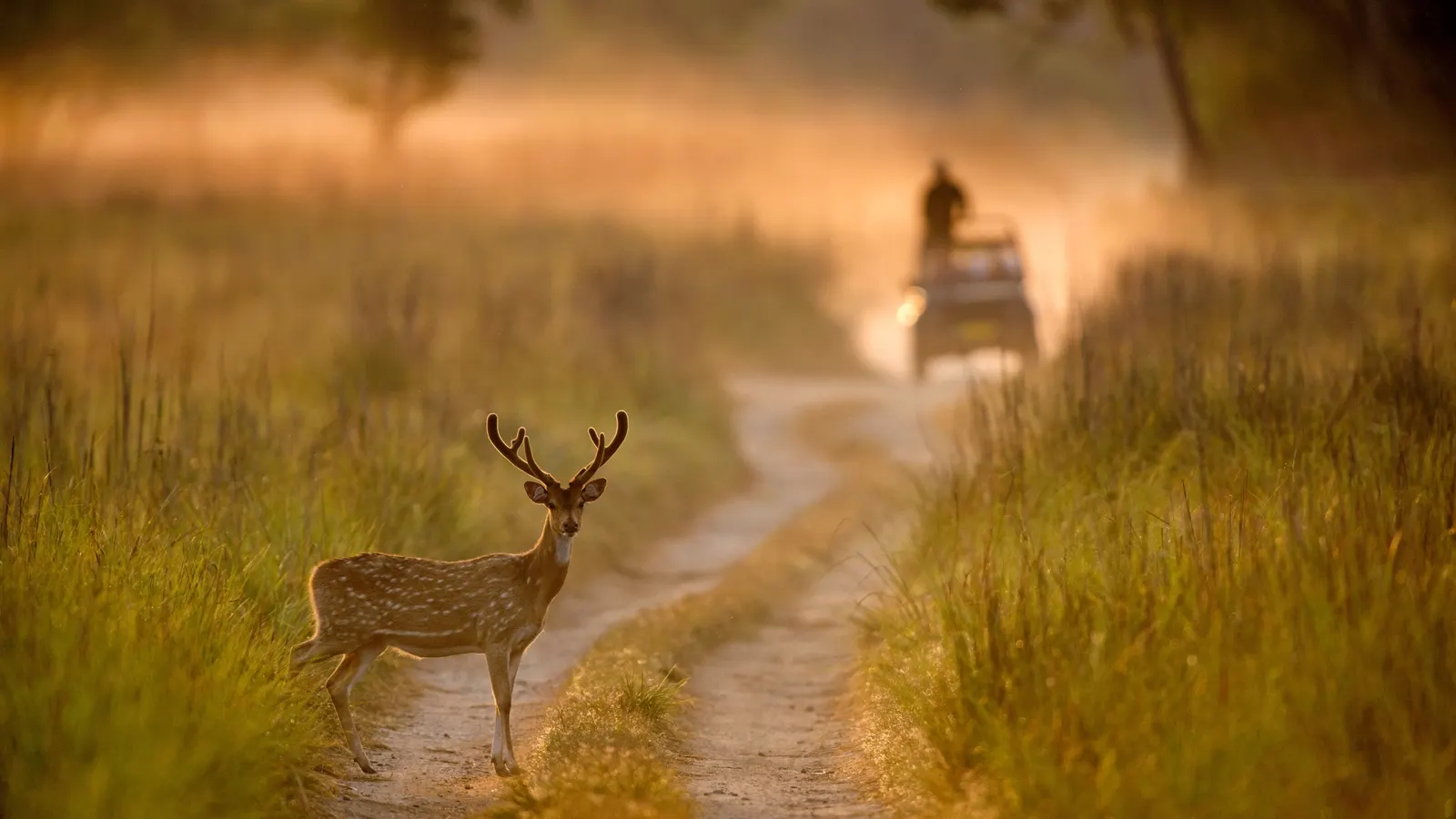

Most safari advice is about where to go and when. Far less is said about who you go with, and yet group size shapes a Tanzania safari as much as the park you choose. A leopard sighting from a quiet vehicle with a few people on board is a different experience from the same sighting in a crowded car, even though the animal is identical.
This is a point of view, not a sales pitch. The Expedition Tours plans trips around a handful of principles, and keeping groups small is one of them. Below is the case for small group safaris and private safaris, the honest trade-offs, and a practical way to judge any operator, including us, before you commit.
What group size does to a safari
The first thing you notice is atmosphere. In a small group safari the vehicle feels like a shared project rather than a tour bus. People talk quietly, ask the guide questions, and notice each other's interests. When everyone has a window seat, nobody spends the afternoon peering over a shoulder, and the safari vehicle with a pop-up roof becomes a comfortable hide rather than a squeeze.
Flexibility is the second gift. A big cat sighting can last ten minutes or two hours, and the best moments, a lioness stalking, cubs waking, a leopard descending a tree at dusk, often arrive after a long wait. A small group can decide together to stay with the sighting, skip a picnic site or return to a waterhole at the right hour. A larger group usually has more competing wishes, and the schedule tends to win.
Noise and movement matter to wildlife too. Animals read a vehicle by its sound, its smell and the movement inside it. Fewer people usually means less chatter, fewer sudden gestures and calmer behaviour from the animals, which in turn means closer and longer observation. Many national parks also limit how many vehicles may gather at one sighting, so a good guide with a nimble vehicle is better placed to find a quiet spot and respect the rules.
Small camps and small groups fit together
Some of the most atmospheric places to stay in Tanzania are small tented camps and intimate lodges with a dozen tents or fewer. They are often built in quieter corners of Serengeti National Park, Tarangire National Park or the Ngorongoro highlands, where the night sounds are part of the stay. A small group fits these camps naturally, with no queue at dinner, no struggle for a table by the fire and a chance to speak with the camp team.
Large groups tend to push travellers towards bigger lodges simply because there is room for everyone. Bigger lodges can be excellent, but the character is different: more people, more noise and a more standard routine. If you prefer a quiet camp with a campfire, a bush breakfast and a small dining tent, a small party is the way to reach it.
Privacy, photography and different travellers
Photography is where group size becomes concrete. Good wildlife photography needs patience, position and sometimes silence. A photographer in a shared vehicle may want to wait for the light, reposition for a better angle or spend an hour on a single bird. In a private safari this is simply an item on the day's plan. If you travel with long lenses and a bean bag, say so early, because the right vehicle layout, the right season and an unhurried itinerary make a visible difference.
Families, couples and friends have different needs. Couples often value privacy and a slower pace, with long breakfasts and late starts. Friends travelling together enjoy a lively vehicle and shared planning. Families need flexibility above all: a child-friendly safari might include shorter game drives, midday rests at the lodge, a pool, and a guide who is happy to answer endless questions. Younger children can find eight hours in a vehicle exhausting, and a private vehicle lets you end a drive early without apology.
Accessibility deserves the same attention. If someone in your party has limited mobility, uses a walking aid or has a medical condition, tell your planner at the start. Vehicle height, the number of steps at each camp, the path to the dining area and the length of road transfers all matter. Small groups make it far easier to adapt the day to one person without disappointing the rest.
Shared and private departures, explained
A shared departure, sometimes called a group departure or joining safari, puts several parties in the same vehicle on fixed dates. You meet other travellers, the cost of the vehicle and guide is divided, and the itinerary is set in advance. A private safari means the vehicle, the guide and the pace are yours alone, and dates can often be chosen to suit you.
There is a middle path. Many travellers book a private safari for their own party of four, six or eight people, which behaves like a small group tour with the benefit that everyone knows each other. That is often the best arrangement for families and friends, because you set the rhythm of the day and decide when to stop.
The honest trade-offs
Small groups are not automatically better, and it would be dishonest to say so. The first trade-off is cost per person. A vehicle, a fuel bill, a guide and park entry for a safari do not shrink when fewer people sit inside, so private departures usually cost more per person than shared departures. Whether that difference is worth it depends on how much you value flexibility and quiet.
The second is social mixing. A shared vehicle can be great fun, and some travellers love meeting people from other countries over dinner. Solo travellers in particular may prefer a shared departure for company. If you are travelling alone and want conversation, a group of four to six can be ideal, as long as the group is not so large that the vehicle becomes crowded.
The third is fit. Sharing a vehicle with strangers works well when everyone wants the same thing, for instance dawn starts and long drives, and badly when interests clash. A keen photographer and a family with toddlers rarely enjoy the same pace. Being honest about what you want, and choosing the format that matches, matters more than the label on the tour.
Choosing a pace: seven days in three parks versus rushing
Many travellers try to see too much. An itinerary with a new camp every night may look impressive on paper, but each move means packing, a long drive and less time watching animals. Seven days across three parks, for example Tarangire, the Serengeti and Ngorongoro Crater, works well if each stop gets at least two nights. Fewer, longer stays let you learn a landscape, notice the rhythm of the day and give the guide time to look for the sightings you care about.
A rushed safari also costs more in energy than in money. Early starts, dust and long transfers on rough roads add up, and tiredness dulls the experience of seeing a lion at last. Build in a slow morning, a lodge afternoon or a swim, and you will have more energy for the evening game drive, when the light and the wildlife are often at their best.
Impact, community and conservation
Smaller groups can be gentler on the places they visit. Fewer vehicles at a sighting, fewer people at a camp and fewer tents mean less pressure on wildlife and on the local environment. The same applies to carbon: sharing a vehicle reduces emissions per person, while planning fewer transfers and fewer flights between parks cuts the footprint of the trip further.
Conservation fees and community payments are part of every legitimate safari. Park entry fees support national parks, and many camps pay community or conservancy levies or employ local people from nearby villages. Ask any operator how these are handled, whether they hire and train local staff, and whether they work with community-owned or locally run camps. Responsible travel is not a slogan, it is a set of questions you can ask before you book.
How to judge an operator
A good planning conversation should cover the same ground whichever company you choose. Ask how many seats the vehicle has and how many guests will use them, and whether every traveller is guaranteed a window seat. Ask about the guide: language, experience, training and first aid knowledge. Ask how many hours you will spend driving each day, which camps or lodges are included, and what the itinerary pace looks like on a map.
Ask what is included in the price: park fees, meals, drinks, airport transfers, water in the vehicle and any extras such as laundry or a night drive. Ask about cancellation terms, deposits and what happens if flights are delayed. Safety questions deserve clear answers: how vehicles are maintained, what happens in a medical emergency, whether the company carries insurance and how they communicate in remote areas.
Compare quotes fairly. Two prices that look different may not be for the same trip. Check the number of nights in each park, the standard of accommodation, whether the vehicle is private or shared, whether fees are included and which month you travel. A lower price for fewer nights at a lower grade of camp is not a bargain. Ask each company to write the inclusions and exclusions in a simple list so you can set them next to each other.
Planning with a company directly
Working directly with a Tanzanian operator has real advantages. You speak to the people who will organise the trip, the conversation can be detailed and your feedback goes straight to the planner. A good first call or email will cover who is travelling, their ages, mobility and interests, your dates and flexibility, the wildlife you most want to see, your preferred comfort level, and what a good day looks like to you.
Do not be afraid to ask for something unusual. A slower itinerary, a longer stay in a single park, a quiet camp away from the busiest tracks or a photography-friendly vehicle are all reasonable requests, and a good planner will either say yes or explain honestly why not. Clear communication at this stage is the best protection against disappointment later.
Planning your trip
If this way of travelling appeals to you, we would be glad to hear from you. The Expedition Tours can talk through your dates, your party and the kind of pace you have in mind, and help shape a safari that fits, whether that is a private journey for your family, a quiet trip for two or a small group of friends. There is no pressure and no obligation: simply get in touch and tell us what you would like to see, and we will take it from there.
About The Expedition Tours
The Expedition Tours plans safaris, Kilimanjaro climbs and Zanzibar extensions from Arusha, Tanzania, built around each traveller.
See our routes →More Field Dispatches
All field notes →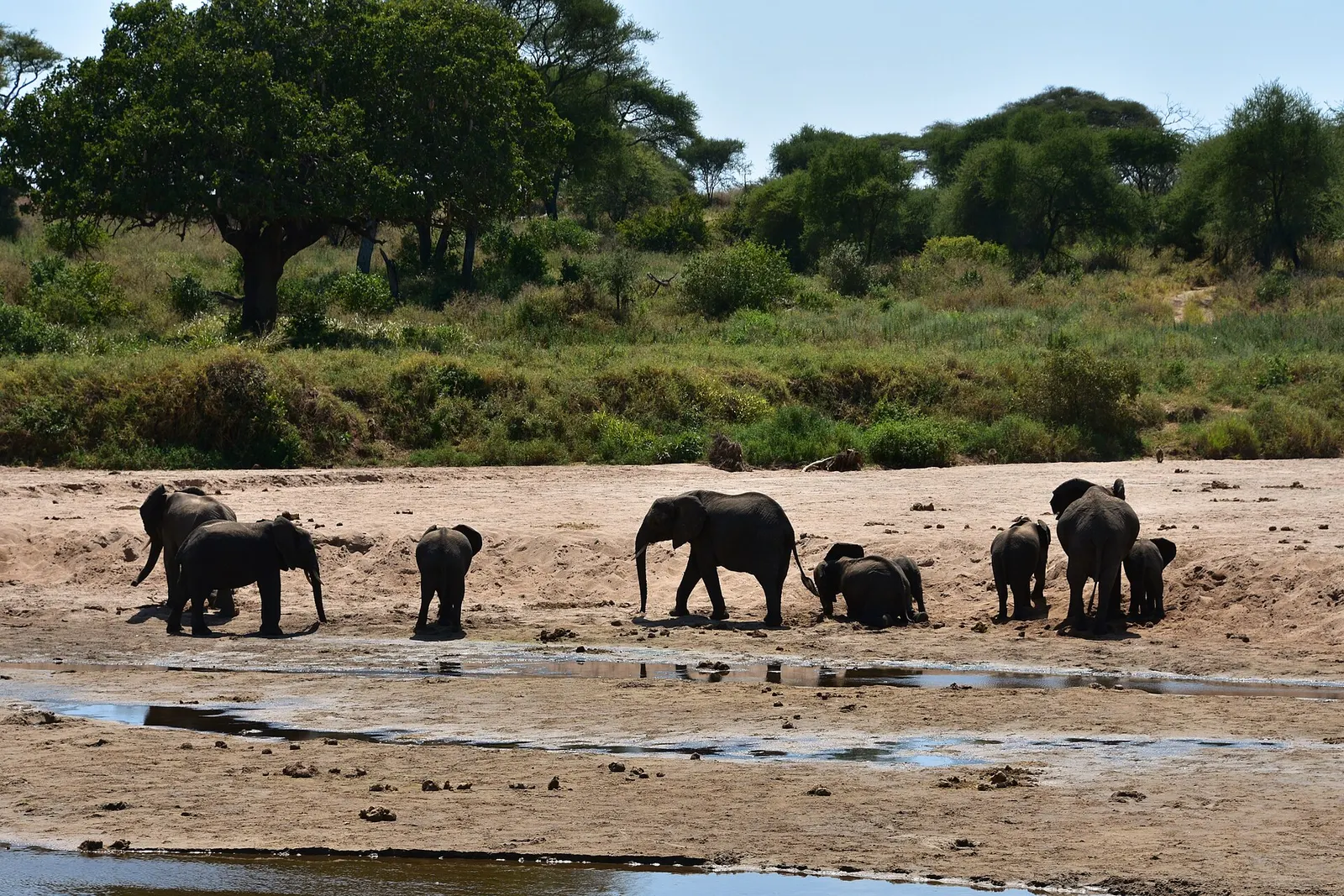
Walking Safaris in Tarangire: Reading Tracks and Signs on Foot
Plan a guided walking safari around Tarangire: how to read tracks, dung and bird alarm calls, what to wear, the best season and the rules that keep you safe.
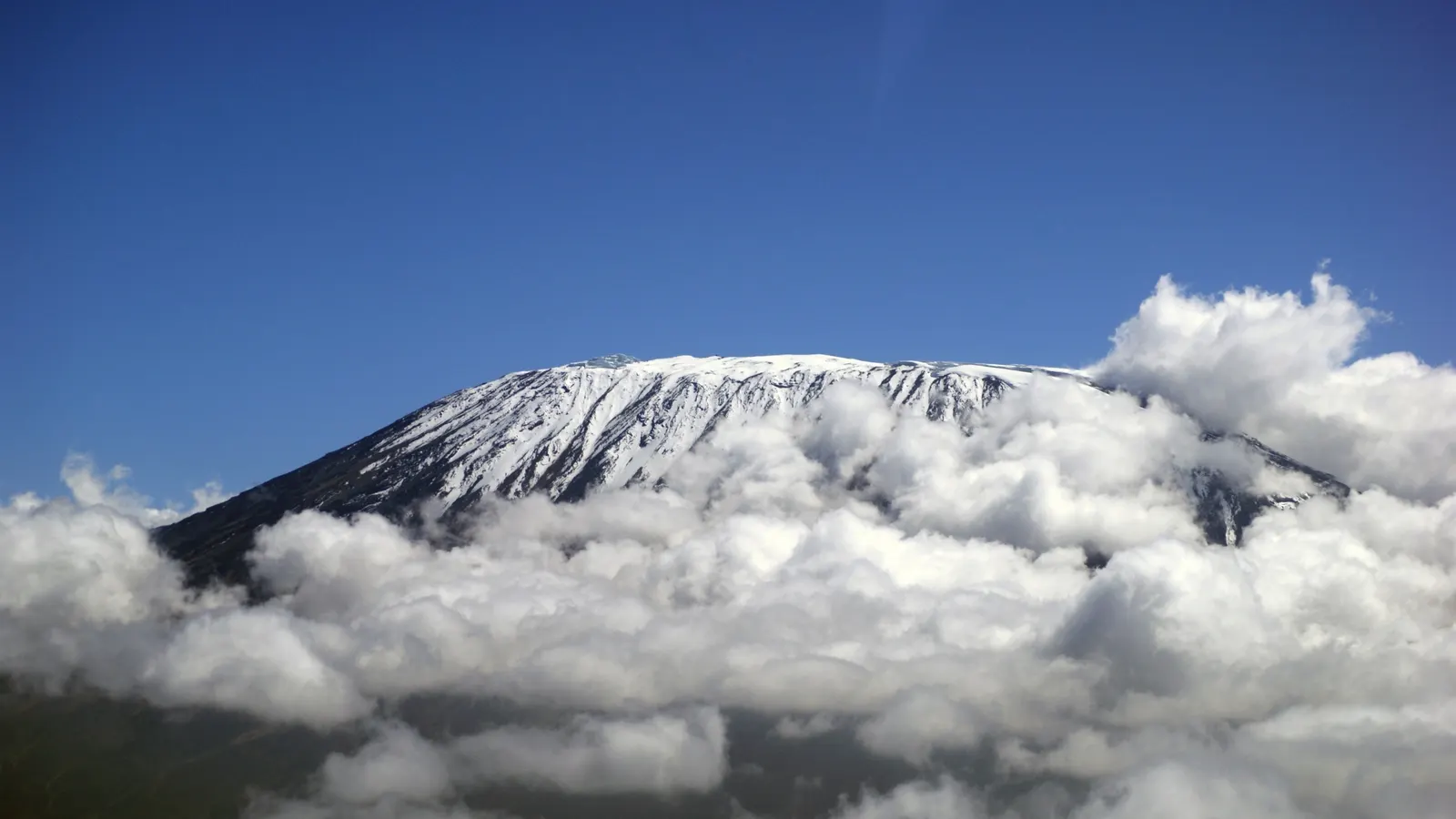
How Altitude Works on Kilimanjaro: Pacing the Lemosho Route
A plain-English guide to altitude on Kilimanjaro: acclimatisation, altitude sickness, pole pole, climate zones and how the Lemosho route helps you pace the climb.